





At its core, a brand is not a logo, a social-media following, or a sponsorship portfolio. A brand is a set of associations stored in the public mind – a blend of performance, perception, narrative, trust, and emotional connection. For athletes, the brand lives at the intersection of what they do, what they represent, and what people believe they might become.
An athlete brand is therefore both earned (through performance) and constructed (through storytelling, context, and continuity). It is also uniquely fragile, because sport is a zero-sum ecosystem: there are limited spots, finite opportunities, and relentless public scrutiny.
To understand what makes or breaks an athlete brand, it helps to break it down into five core pillars.
- Performance Credibility
This is the non-negotiable base. Consistency, adaptability across formats, and impact under pressure form the bedrock. Without performance credibility, branding is cosmetic and temporary. - Role Clarity
Great athlete brands are built around a clearly understood role: finisher, anchor, match-winner, leader, disruptor. Ambiguity weakens recall and trust. - Narrative Momentum
Brands grow when performance aligns with a compelling story – youth to stardom, comeback, reinvention, leadership transition. - Visibility and Context
Not all performances are equal. Doing well on big stages, in marquee tournaments, or in defining moments accelerates brand equity. - Trust & Endorsement Signals
Selectors, captains, coaches, and institutions act as brand validators. Repeated backing builds confidence; exclusion raises questions…even if unfairly.
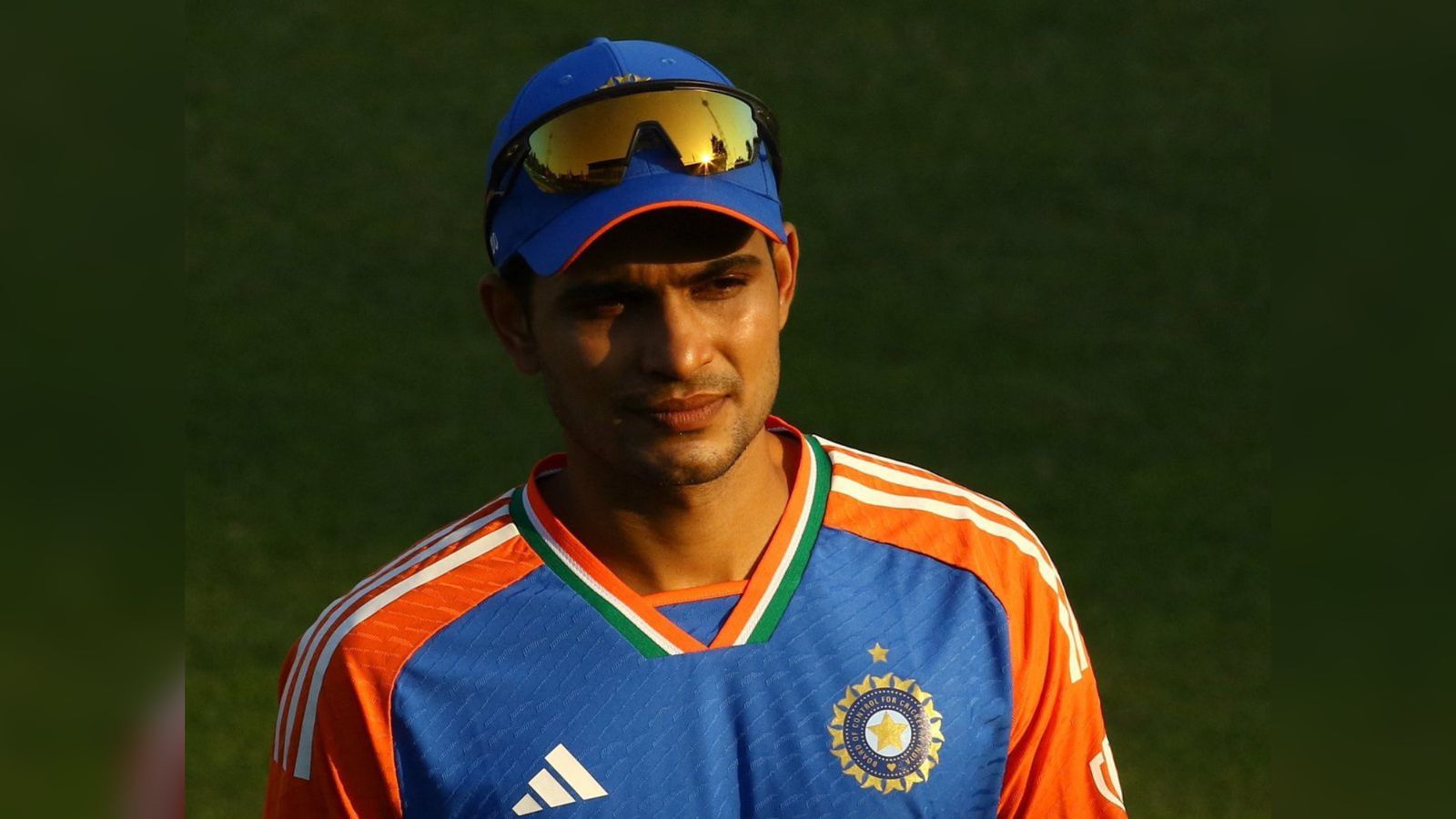
Few young Indian cricketers have built a brand as organically and steadily as Shubman Gill. Elegant, technically classical, composed under pressure – Gill’s brand has been anchored in purity of batting, long-term promise, and all-format potential. His rise in Tests and ODIs positioned him as a future pillar of Indian batting – a successor figure rather than a disruptor. Importantly, his brand narrative was never about flamboyance; it was about inevitability. Which is why his omission from the T20 World Cup squad becomes such a fascinating branding moment…not a crisis, but a strategic inflection point.
To analyse what happens to Gill’s brand, we can apply a Role–Format–Narrative (RFN) model.
- Role Misalignment (Short Term)
In T20 cricket, roles are hyper-defined: powerplay aggressor, middle-overs accelerator, finisher. Gill’s batting strengths – timing, placement, innings construction translate best when he is allowed to build rhythm. In a World Cup context, that demands immediate impact and situational specialisation, selectors may see him as a luxury rather than a necessity.
This is not a verdict on ability; it is a role-fit decision. I would vote that the brand Impact has minimal erosion in this context. The exclusion says more about format needs than player value.
- Format Segmentation (Medium Term)
Modern cricket increasingly allows format-specific branding. Being a Test and ODI mainstay while being peripheral in T20s is no longer a downgrade if communicated clearly. Gill’s brand may temporarily shift from “all-format star” to “format anchor with selective T20 relevance.”
The impact on his brand is neutral to mildly positive, provided performance in Tests and ODIs continues.
- Narrative Reset (Long Term)
Here lies the opportunity. If Gill reinvents his T20 approach, without abandoning his core identity – the exclusion becomes part of a classic athlete arc: refinement, adaptation, return.
If he doesn’t, his brand consolidates around longevity, elegance, and red- and white-ball mastery – still immensely valuable in Indian cricket’s ecosystem. The impact on the brand depends on response, not exclusion.
Athlete brands break when:
- Exclusion aligns with declining performance
- Questions emerge about attitude or adaptability
- The narrative turns from “not now” to “not good enough”
None of these apply here. Gill’s fundamentals remain intact. His age is on his side. His institutional trust – across formats – remains strong. In branding terms, this is not a brand failure, but a brand recalibration.


Follow Revsportz for latest sports news