


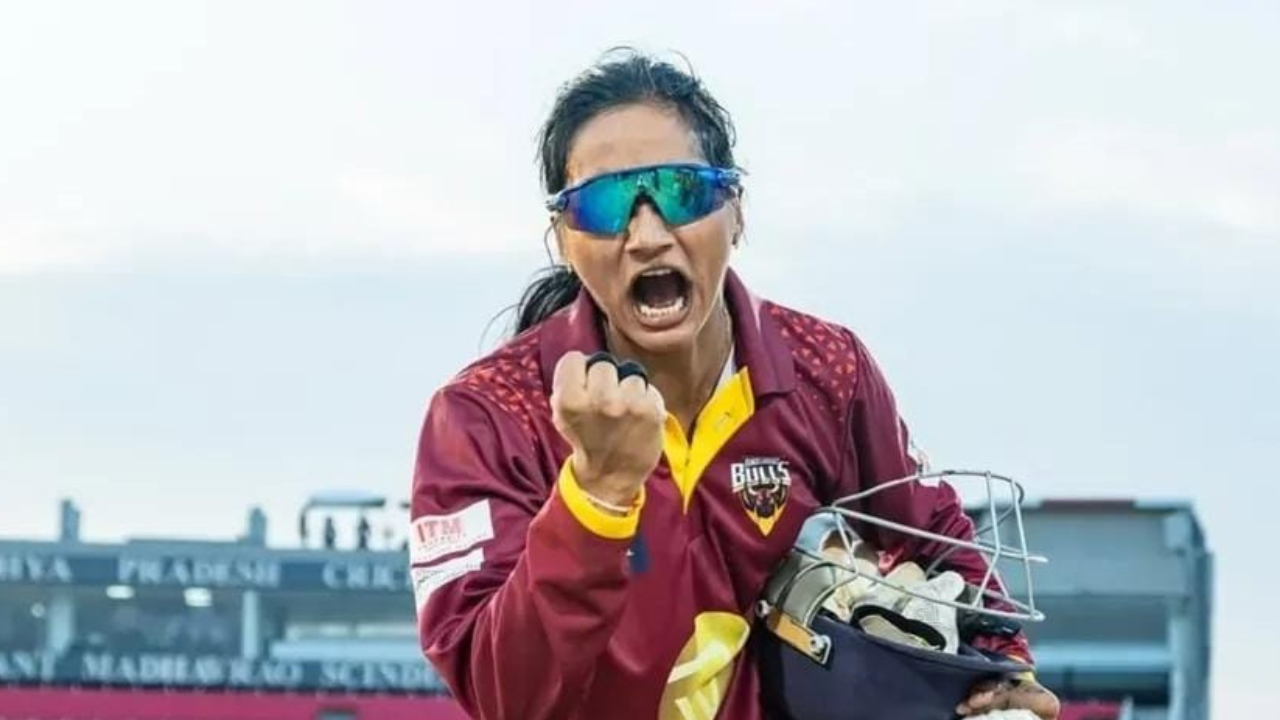
At around 7.30 pm, when the day had stretched into anxious silence, Rahila Firdous heard her name. It barely lasted 30 seconds. But in those seconds, her life shifted.
“I started crying,” she says simply. “I don’t remember when I cried like this in my life.”
She wasn’t at an academy. There was no entourage. Rahila was at home, sitting with her sister, watching the WPL auction unfold from 3.30 pm onwards. The uncapped players and wicketkeepers were listed late. By the time her name came up, the waiting had already tightened her chest.
“My heartbeat was very fast. I was watching the auction on OTT LIVE, and it was a little delayed. Messages and calls started coming, but I didn’t even look at my phone. I lost my mind.”
When the call came from Mumbai Indians, Rahila didn’t think of the future, the league, or the pressure. She sat at her mother’s feet and cried, a single mother bringing up two daughters isn’t an easy task. Add to that one of the girls wanted to be a cricketer. The everyday battles of the family were handled by her mom alone and she barely let those problems touch the daughters.
“My mother and my sister… they have made so many sacrifices. My mother has had so many struggles in her life. We were crying a lot,” she recalls. “After that, the first thing I did was pray shukrani. Gratitude.”
That moment, raw, private, overwhelming, now sits at the heart of Rahila’s journey into the Women’s Premier League as MI’s uncapped wicketkeeper-batter for the 2026 season.
A girl, a game, and spaces she wasn’t allowed to enter
Rahila’s relationship with cricket began long before technique, statistics, or contracts entered the picture.
“I have been interested in cricket since I was a kid,” she says. “I didn’t even know the rules. I just liked cricket.”
She watched boys play in her neighbourhood. She watched international stars on television. She absorbed styles, movements and energy, even when the game wasn’t meant for her.
“In my area, girls were not allowed to play with boys. People used to say, ‘You are making a girl play,’” she says.
So she found her own spaces. Malls. Corridors. Anywhere that allowed her a few stolen moments with a bat or a ball.
“I could only play in the malls,” she says, with a laugh that carries both innocence and defiance.
There was no structured pathway then. Just instinct, fascination and persistence.
The camp that changed everything
Rahila was agile, quick and naturally sharp. But wicketkeeping is a craft, and craft needs guidance. That came in 2018–19, at a camp in Madhya Pradesh, under Kiran More, the man she credits for building her foundations.
“Most of my wicketkeeping credit goes to Kiran sir,” Rahila says without hesitation. “He told me about my stance, my glove-work, my positions.”
She was young, eager and absorbing everything. More did not just coach her; he systemised her learning.
“Every day, he used to tell me which drills I had to do and with which ball,” she says. “I still have those drills written in my diary from 2018–19.”
The results show. Even today, Rahila speaks of wicketkeeping not as a role, but as a discipline she deeply respects.
“My basics were cleared there. That’s why my wicketkeeping is still going well,” she says. “I have a lot of respect for Kiran sir.”
Leadership before limelight
Before the WPL spotlight arrived, Rahila had already learned how to shoulder responsibility.
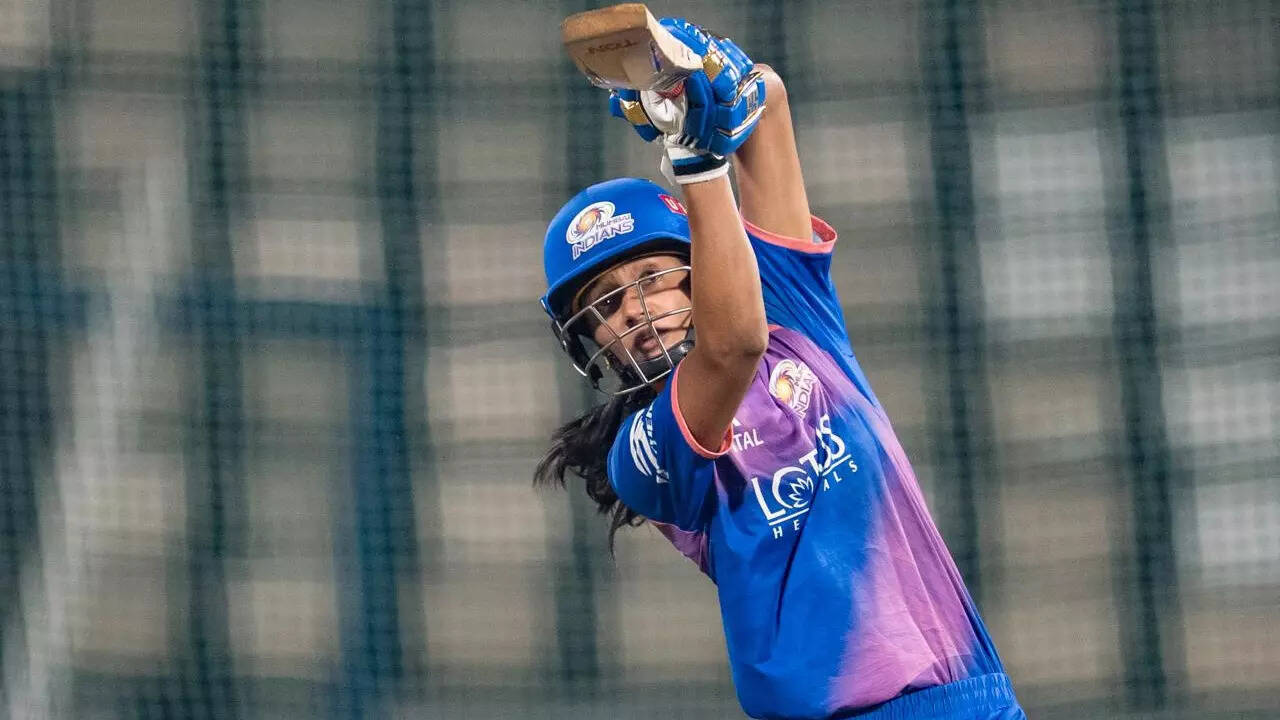
In the Senior Women’s T20 Trophy 2025, she captained Madhya Pradesh, guiding them to a runners-up finish while contributing crucial runs. Later that year, she led the Bundelkhand Bulls to the Madhya Pradesh Women’s League title, not just as a wicketkeeper, but as a leader who understood people as much as situations.
Her T20 numbers may not scream for attention, 106 runs in 12 innings at an average of 26.50, but they tell a quieter story: of reliability, adaptability and awareness. She is an experienced domestic wicketkeeper who can hold the lower order together, who reads the game astutely, and who values process over noise.
Why Mumbai Indians fits her story
Mumbai Indians have developed a reputation for identifying potential before it announces itself. From backing raw Indian talent to investing in long-term growth, MI’s philosophy has consistently leaned towards trust and development.
Rahila fits that mould.
Under the stewardship of Nita Ambani, MI have made sustained contributions to Indian cricket, not merely through resources, but through belief. For Rahila, joining this ecosystem feels less like an arrival and more like an alignment.
“Playing for Mumbai Indians… it feels amazing,” she says. “To feel like a superstar in your own self.”
That line lingers, not because of its glamour, but because of its honesty. For a girl who once had to hide her cricket, self-belief itself is the greatest victory.
A moment she will carry forever
Rahila does not speak about proving points. She speaks about gratitude. About diaries filled with drills. About her sister’s faith while watching the auction. About her mother’s strength.
“That moment,” she says softly, referring to auction night, “I’m going to keep it with me forever.”
In a league built on star power, Rahila Firdous arrives with something just as compelling: a story shaped by patience, quiet work and resilience. Mumbai Indians may have unearthed another uncapped gem but Rahila has already won something far bigger.
She has earned the right to belong.
Also Read: MI vs RCB, WPL 2026: RCB aim for strong start against defending champions MI in season opener