

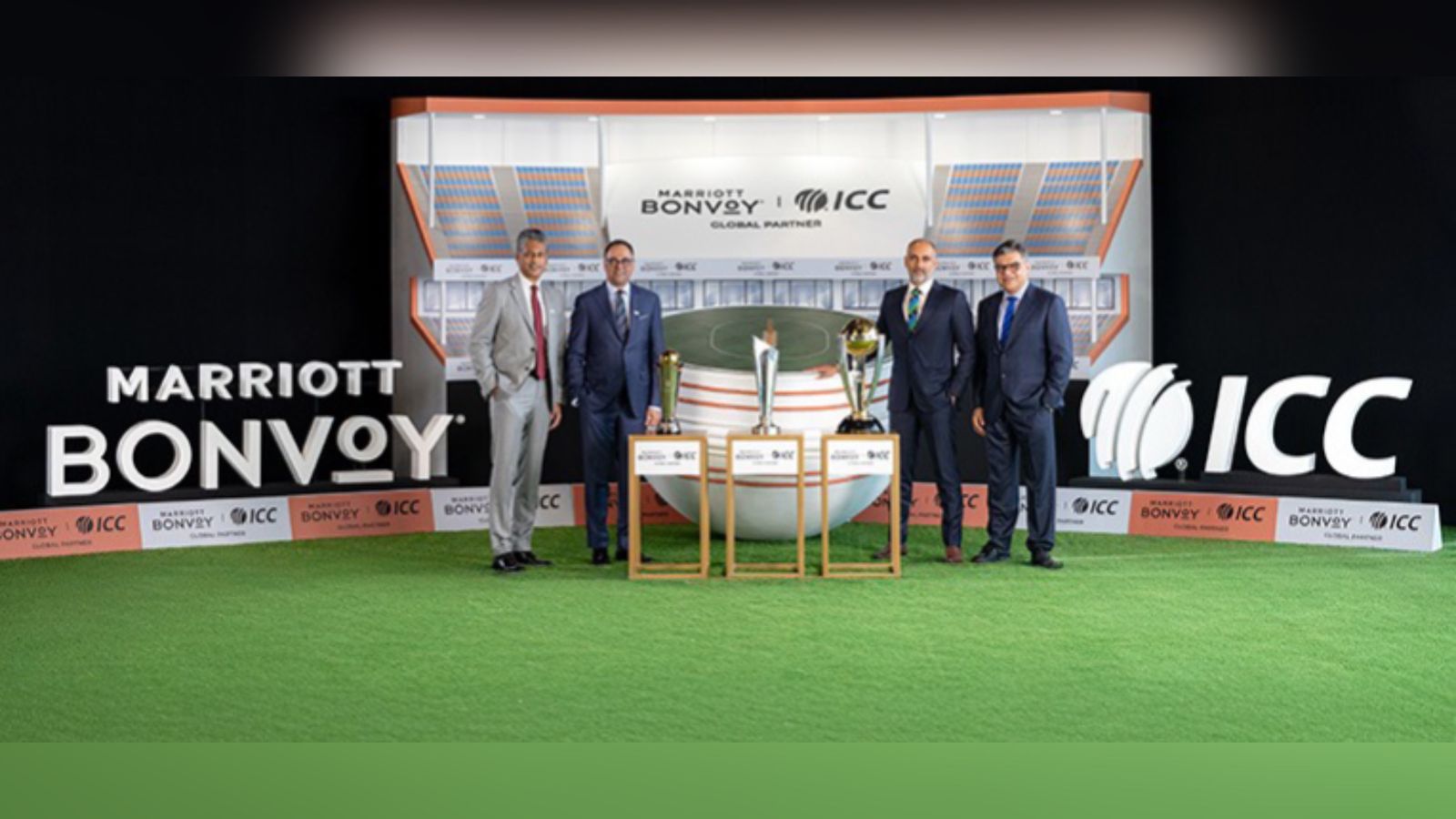
I read about what Marriott Bonvoy has done by partnering with the ICC – it is not a sponsorship but a business design story. It recognises something most brands still underestimate: sport is no longer a media property, it is an emotional operating system. For decades, brands treated sport as a billboard. Buy rights. Flash a logo. Count impressions. Hope for recall. That era is over.
Cricket, in markets like India, is not a content category. It is identity, memory, aspiration and belonging. When Marriott decided to plug its loyalty platform into this cultural engine, it wasn’t chasing reach, it was buying relevance at scale.
The idea is simple but powerful. Instead of selling rooms, Marriott sells moments. Instead of loyalty points, it offers memories. Walk onto the pitch. Meet your heroes. Travel to follow your team. The hotel brand is no longer adjacent to the experience – it becomes part of the story. That is the future of sports marketing.
The IPL, FIFA World Cup, Formula 1, Olympics – none of these are just sporting events anymore. They are travelling economies. Hotels fill. Flights surge. Merchandise explodes. Streaming spikes. Search trends jump. Cities rebrand themselves. Every major sporting property now operates like a temporary nation-state with its own currency of attention, data and emotion. Brands that understand this don’t buy sponsorships. They build experience ecosystems around sport.
Look at Formula 1. It was a niche motorsport until Liberty Media reframed it as a lifestyle entertainment platform. Netflix’s Drive to Survive didn’t sell racing; it sold personalities, drama and aspiration. Suddenly, F1 became a fashion, music, travel and youth culture brand. Sponsors followed not because of lap times, but because of lifestyle relevance. The same is happening with the IPL. What began as a cricket league has now become a consumer economy: fashion drops, gaming integrations, fantasy sports, tourism spikes, brand launches, food partnerships and youth culture trends.
Consumers no longer want to be “targeted”. They want to belong. Sport delivers what advertising cannot – emotional loyalty, ritualistic engagement, generational memory and cultural legitimacy. When a fan wears a jersey, travels for a match, or defends a team on social media, that is not consumption – it is identity and loyalty. When brands enter that space respectfully, they gain something money cannot buy: trust.
Every fan already has a journey – from watching at home, to following online, to dreaming of attending live. Brands must map themselves into this path. From ticketing to travel to food to content to collectibles – every step should feel connected. Points are boring. Access is aspirational. Early entry, locker-room tours, training experiences, behind-the-scenes content – these are emotional currencies. Marriott understood this. Most brands still don’t.
Every sport has tribes – youth fans, women fans, city loyalists, first-time viewers. One message will not fit all. Brands must activate these micro-communities with tailored experiences and local narratives.
Marriott has shown us that when a brand stops chasing attention and starts building experiences, sport becomes the most powerful growth engine in the economy. Not because fans watch but because they care. And that is a currency that still has agency!
Follow Revsportz for latest sports news