




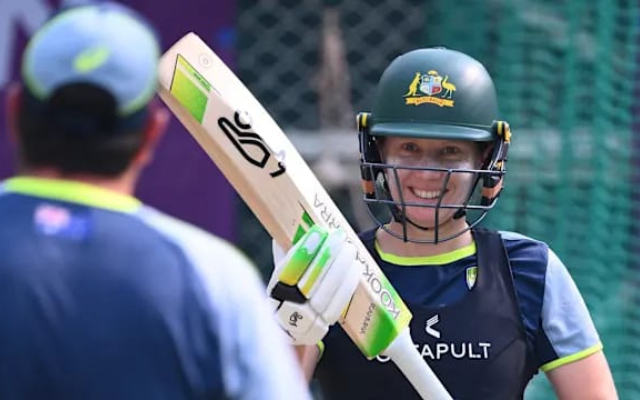
There are players who accumulate numbers, and then there are players who change behaviour. Alyssa Healy belonged firmly to the latter category.
When Healy walked out to bat, opposition captains rearranged fields before the first ball was bowled. When she stood behind the stumps, batters second-guessed singles that should have been routine. That double impact, sustained pressure with bat and gloves, defined a career that did far more than fill scorecards.
Healy arrived at a time when wicketkeepers were expected to be tidy, efficient, and largely invisible. She refused that brief. From early in her career, there was a sense she was not content with survival batting or functional cameos. She wanted to dominate. The evolution was deliberate: from middle-order stability to opening batter, from support act to game-breaker. Her 148* in the WT20I World Cup vs Sri Lanka in 2019 remains not just a record score, but a statement, that women’s cricket could be played with the same audacity and physical authority as the men’s game, without losing nuance.
Yet what made Healy exceptional was not just power. It was timing, when to attack, when to absorb, when to dismantle a bowling plan over five balls instead of fifty. She understood tempo better than most, particularly in ICC tournaments, where her finest innings often arrived when Australia needed momentum rather than repair.
Behind the stumps, she was relentless. Healy turned wicketkeeping into an active weapon rather than a passive skill. Her stumpings were rarely accidents; they were traps set two deliveries earlier. Her catching, particularly standing up to pace, reset expectations for the role. Many of Australia’s bowlers improved simply by having her presence behind them.

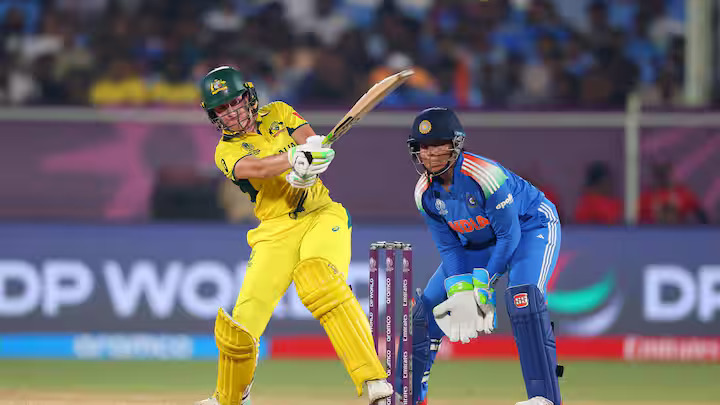
Leadership arrived late, but naturally. Taking over after Meg Lanning was never going to be seamless, yet Healy brought something different: emotional transparency, tactical clarity, and an instinctive feel for big-match moments. She led without pretending to be someone else, and Australia remained ruthlessly competitive under her watch.
Perhaps the most telling aspect of her retirement is its timing. Healy has stepped away before decline could dilute impact. It is the decision of a player acutely aware of standards, her own and the team’s. That self-awareness has been a hallmark throughout her career.
Alyssa Healy does not retire merely as one of Australia’s greatest wicketkeeper-batters. She leaves having shifted the axis of the role itself. Future keepers will chase her numbers. Far fewer will match her intent or her nerve.
And that, more than records, is her real legacy.


For More Exciting Articles: Follow RevSportz