





In sports like tennis and badminton, athlete is the enterprise. The player hires, fires, and defines the coach’s role. Coaching authority exists by consent, not hierarchy. This autonomy breeds individuality: playing styles, routines and risk appetite. In contrast, in team sports, authority historically flows top-down and the coach sets philosophy, systems and selection. The captain executes on field but within a defined framework.
The T20 format of cricket introduces a third variable — real time data and analytics. Here technology focusses on match-ups, win probabilities, pitch behaviour, fatigue metrics and historical performance records. Ironically, the format that looks the most chaotic on television is the most pre-scripted behind the scenes.
And if that hypothesis is true, is it not possible for the Indian team to put together what is calssically called a “design of experiments” that can pre-script the plans at each twist and turn? What would be the ideal set of hyptotheses or experiments that India can unleash as prep for the upcomign T20 World Cup?
For example, an interesting experiment could be to define the power play template beyond Abhishek Sharma’s fearless blast. The strategy could be all out attack first, which means that you accept that two wickets could fall in the power play overs and so you “price” that in. Openers are told that the minimum target in power play is 50, and if two wickets fall, No. 3 continues to attack without any reset. If chasing, the target is to stay above nine on run rate in power play overs and not let it drop to eight.
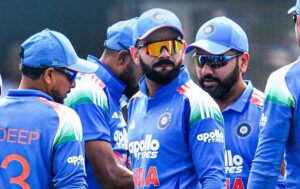
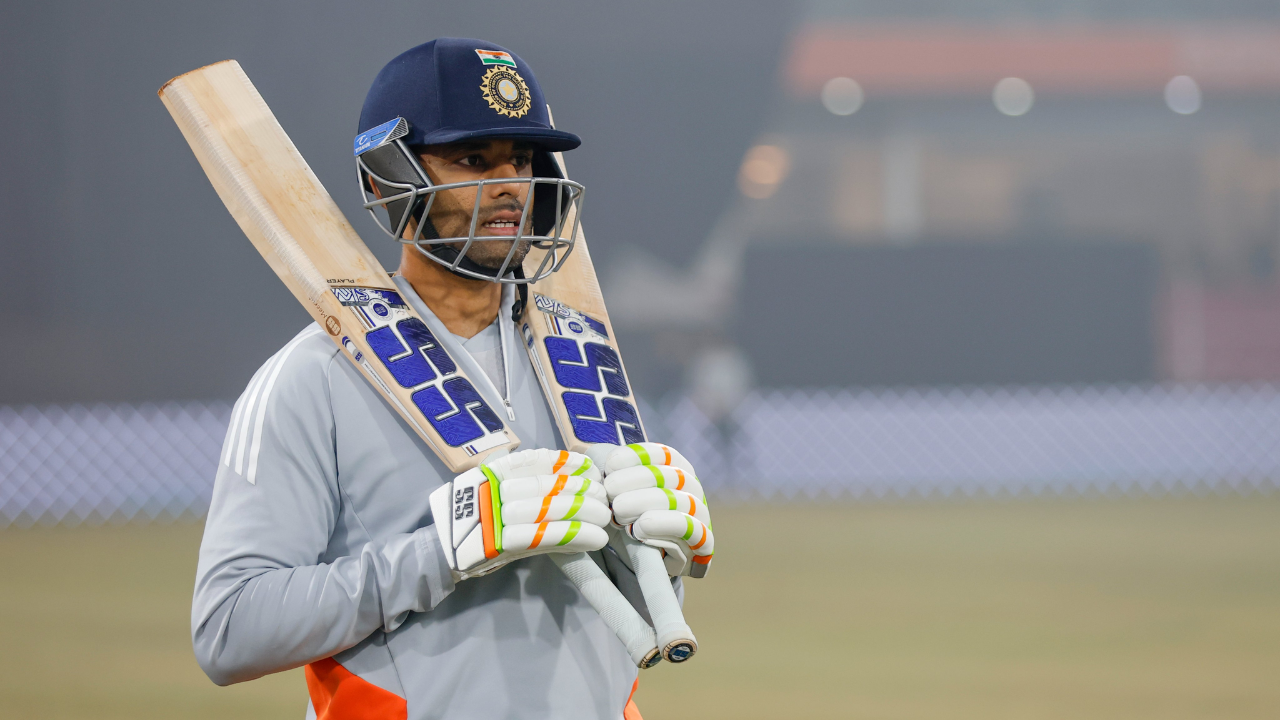
Captain Suryakumar Yadav at No. 3 is the biggest strategic call. I think even as I write this, his announcement at the presser that Ishan Kishan would take up that slot in the opening games is a welcome experiment No. 2. They might well play the left hand-right hand tactic or just try out Kishan before Tilak Varma is fit and back in action. That will give the team much needed flexibiity at the top-order. Surya himself needs to get over the string of low scores and prime himself into top form by the end of the five matches. Is he a power play disruptor at No. 3 or a post-power play accelerator entering against spin? In summary, by the end of the series, India must lock the top three and not rotate them.
India’s biggest T20 vulnerability in recent tournaments has not been collapse; it has been stagnation. This series must clearly assign roles to the batting all-rounder Shivam Dube, Rinku Singh and the bowling all-rounder Harshit Rana. We need one as a spin-hitter who attacks overs 7-10 and a second as a momentum sustainer. By match five, India should know who attacks spin, who targets pace and who holds wickets without killing run-rate.
At the business end, the team needs to figure is it better finishing with set batters or with maximum hitters walking in fresh? If the answer varies by condition, that variation must be intentional, not reactive. I think the bowling is less of a problem and it will more likely be a question of sequencing.
A less visible aspect is the fileding strategy. I think New Zealand in that last ODI at Indore would have saved 30-40 runs on the back of some superlative fielding. We need clarity in terms of perhaps a fielding-plus, role-fit pick rather than an extra batter. Protecting boundaries, conceding singles and squeezing twos will need to be emphasised.
Also Read: Time to wake up and smell the coffee gents!