


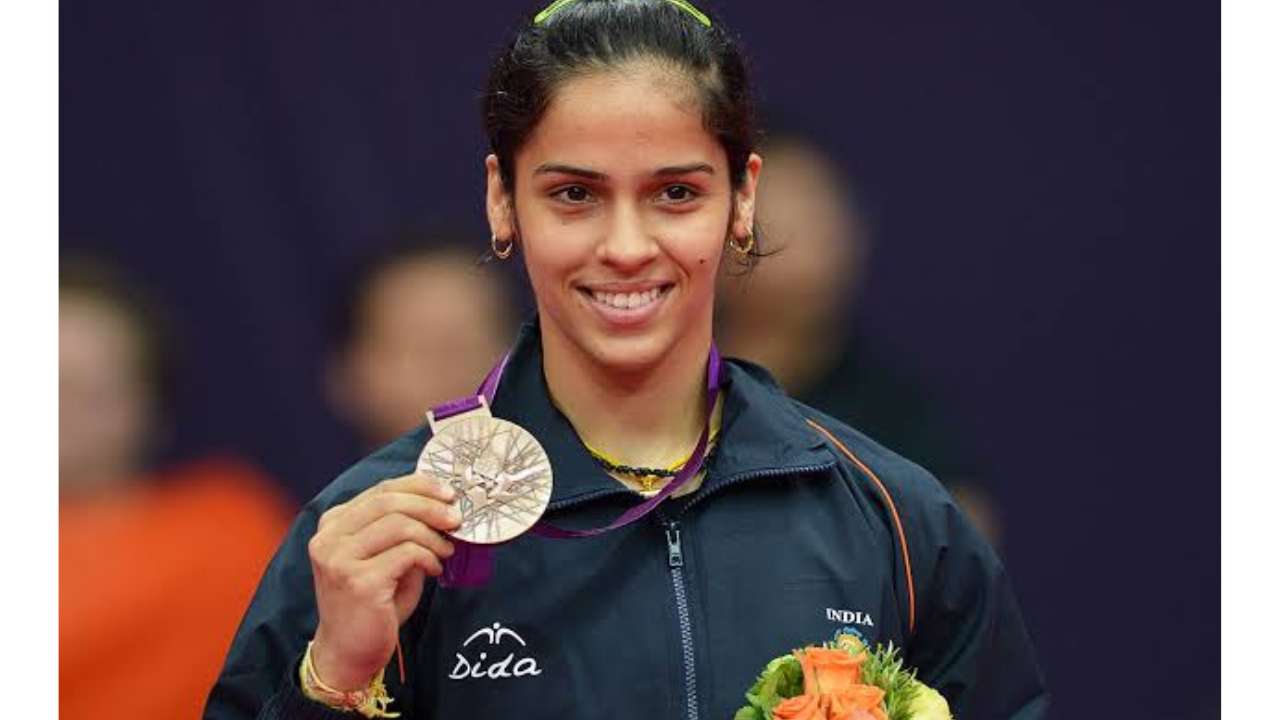
Saina Nehwal and the 2017 BWF World Championship is an unforgettable story. It was the only occasion when she and PV Sindhu were both on the podium in the biggest competition in badminton. Sindhu took silver and Saina bronze.
The first face of the Indian badminton revolution, who retired from the game on Tuesday (January 20), had won World Championship silver in Jakarta in 2015 and the 2012 London Olympics bronze. Why was the Glasgow bronze significant?
More than a medal, it was a statement of willpower and ability to rise above adversities. A year ago, Saina’s Rio Olympic campaign had ended in pain and tears. She suffered a knee injury and failed to cross the group stage. It needed surgery and consigned to the bed. The first Indian woman to win an Olympic medal watched Sindhu become the first Indian woman to clinch an Olympic silver.
Saina was 27 then and already a veteran. She had been playing at the senior level since she was 15. The body had suffered wear and tear. Despite surgery, the knee never fully healed. A former world No.1 and winner of multiple Super Series titles, she didn’t have a lot to achieve. Saina still summoned motivation and hunger. She fought like a tigress before going down to her nemesis from Spain — Carolina Marin — in the semifinals. She had secured a podium place by reaching that stage.
A prodigy, who challenged the Chinese hegemony, to a pioneer at the forefront of an Indian badminton upsurge under mentor Pullela Gopichand — Saina’s role in the development of the game in India can’t be described in a few words. Almost every step she took was the first for an Indian. Sindhu won more medals, but the path was shown by her predecessor.
Sindhu knew it could be done. Her generation of girls and boys had seen Saina win the world junior title, bag Olympic bronze, regularly reach the World Championship quarterfinals, beat top players, make progress in rankings that was unheard of in the country. They witnessed from close how she trained, focused, went about business and got the job done. At their age, Saina had little to rely on other than the inputs of Gopichand.
That makes this player turning 36 in March unique. She didn’t have the option of following something which had been done before. She had to chart her own course. It was unknown territory. With exceptions, Indians qualifying for the main draw of big events was a big deal. Due to Saina, the women’s doubles pair of Jwala Gutta-Ashwini Ponnappa, Sindhu and the boys who followed, Indians not on the podium is considered a failure these days.
Causing this change in aspiration is Saina’s biggest success, as big as the Olympic bronze and World Championship medals. No-hopers to contenders and believing that this can be done is a paradigm shift in attitude. Also-rans to medal winners within years is a leap. With her mentor in the background, the player born in Hisar and brought up in Hyderabad was the catalyst in this transformation.
A tribute from another player from Hyderabad sums up her journey. “Saina Nehwal’s career is one of many firsts and lasting impact. She carried Indian badminton to the world stage with grit, grace, and fearless ambition. Her legacy will live on in every young player who dares to dream big,” former India women’s cricket captain Mithali Raj posted on X.
Those traits boosted by an indomitable spirit is a strong combination. To display that at the highest level of a physically taxing and holistically draining sport over almost two decades including lean periods due to a jaded body doesn’t have many parallels. It didn’t end on a roaring note, but the Saina story is a landmark as well as inspiration.
Also Read: Tata Steel performance not a trailer to Candidates