


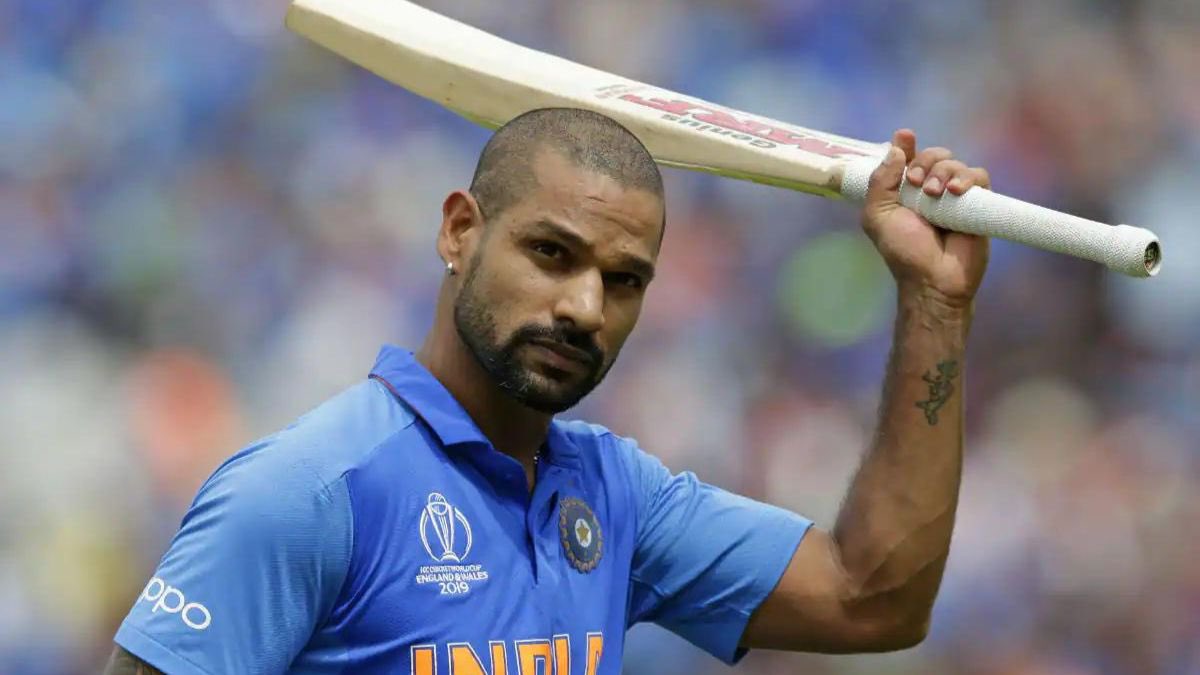
It’s now more than three years since Shikhar Dhawan made his last appearance for India. Only eight men have made more than his 24 centuries for the national team, and his record in the big tournaments was second to none. Now 40, Dhawan has moved on to the next phase of his life, focussing on charitable projects and mentoring younger players informally. In this episode of Backstage with Boria, he talks to Boria Majumdar about his recent book, the mindset that took him to the top and bouncing back from setbacks.
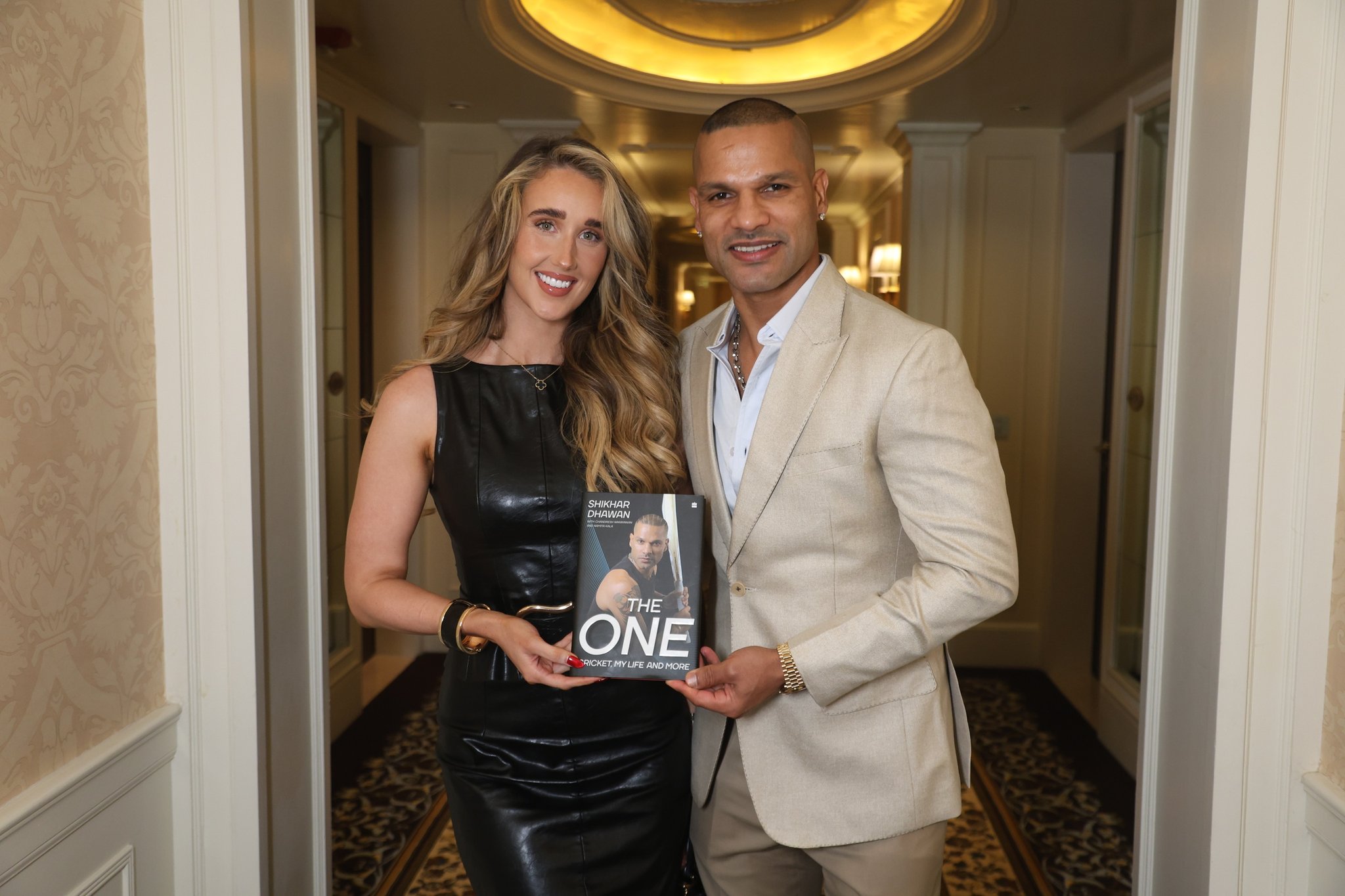
Boria: Many congratulations on the book The One: Cricket, My Life and More. What prompted you to write it?
Shikhar: Thank you so much, Boria bhai. It’s about my journey, my thought process, and the learnings I gathered along the way. I wanted to pass it on to people so they can learn from it and, at the same time, enjoy reading it.
Boria: Talking about your book, can you tell us a little about the funny anecdote of your first interaction with Sachin Tendulkar, where you pulled his hair?
Shikhar: I was in South Africa and was injured, so I went to the physio room. There was a table for massage and another for physio. As I went inside, I thought it was Pinal Shah – he and Sachin paaji have similar-looking hair – lying on the massage table. So I pulled his hair in fun, and then the masseur told me it was actually Sachin Tendulkar. I fled from there in fear [laughs].
When I went back inside after some time, I saw him still taking the massage, so I thought Sachin paaji must not have realised what I did. I never spoke to him about this incident, but I later shared it with friends like Harbhajan Singh, so Sachin paaji must have heard about it from others.
Boria: Can you tell us a little about Sonnet Club? How important are these foundations?
Shikhar: I had a very good relationship with Tarak Sinha, who is no longer with us. I trained under him for four to five years. Many Test players have trained under him, which speaks volumes about the discipline, environment, and vibe at Sonnet Club.
I remember my younger days watching all the senior cricketers there. Most of my time was spent fielding, getting the ball for bowlers, running, and batting for some time in the evening. This whole process increased my patience a lot. Training under Madan Sharma, who used to coach youngsters separately, also strengthened my basics.
Another important thing was playing a lot of matches, which was more valuable than just net practice. Those match experiences made my foundation and skills extremely strong.
Boria: Tell us about the incident with Virender Sehwag during the IPL when you didn’t get a hotel room, and how his advice helped you regain focus.
Shikhar: It wasn’t like he didn’t give me a room. It was the first season of the IPL, and we had practice twice a day. I was living in Janakpuri, and travelling to Kotla (Feroz Shah Kotla Stadium) twice a day took a lot of time. So I asked the management if a hotel room could be arranged, but they didn’t take it well.
Virender Sehwag then called me and advised me not to make too many demands or spoil my reputation, especially since it was just the beginning and there were many valuable players around. I agreed and managed things on my own for the time being. Later, I had a very good season with Delhi Daredevils and eventually got the room as well [laughs]. Overall, Virender Sehwag has supported me throughout.
Boria: What happened with David Warner? You mentioned a tiff with him in your book.
Shikhar: It happened in Australia, where sledging is very common. In one such incident, he was being cheeky and made comments about my performance, saying I would be dropped from the team. He was doing very well with the bat at that time, so knowing I couldn’t get to him on the field, I responded by talking about his gambling addiction and how it could affect his life and family. That was it, though – off the field, we are good friends.
Boria: Shikhar Dhawan and ICC tournaments, and your friendship with Rohit Sharma – tell us about both.
Shikhar: My preparation for most tournaments was always 100 percent. I performed well in many ICC tournaments, starting from my Under-19 days when I received the Man of the Tournament award at the 2004 Under-19 World Cup. Then in other World Cups, Asia Cups, and ICC tournaments, I managed to perform consistently.
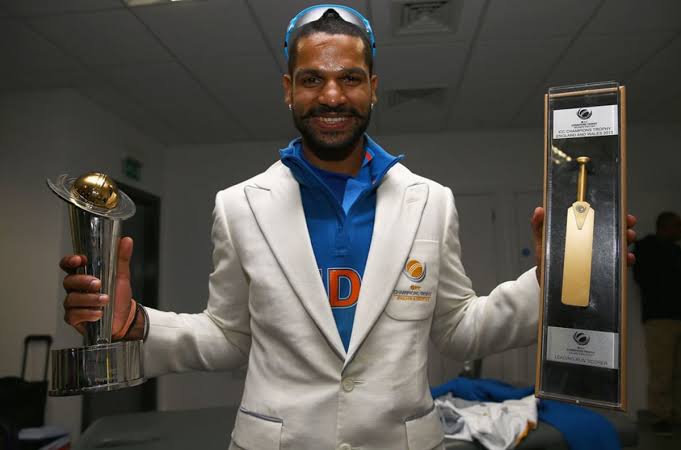
I enjoy pressure on the big stage – it sharpens my focus. I always believed that to make a big name, you must perform against the big teams. That mindset shaped my career. I even wrote in my journal that I would win the Golden Bat at the Champions Trophy, and that’s exactly what happened. It was my comeback series and a turning point in my career.
Boria: You journalled about becoming an Indian Test captain – is that right?
Shikhar: I didn’t specifically write about becoming a Test captain. Four to five years ago, when my career was going through a low phase, I wrote about what I had achieved and what more I wanted to explore. I wrote about leadership – “I am a leader, leading from the front.” I guess that’s how the universe worked.
I never mentioned specific titles. Interestingly, it was unexpected because two teams had never toured simultaneously before. A series was going on in England while we went to Sri Lanka. Hardik Pandya was also a strong contender for captaincy. I truly believe in affirmations and manifestation, but you also need to be prepared for what you ask for – it’s a balance.
Boria: You forgot to answer the question about Rohit and your partnership. It’s been unbelievable.
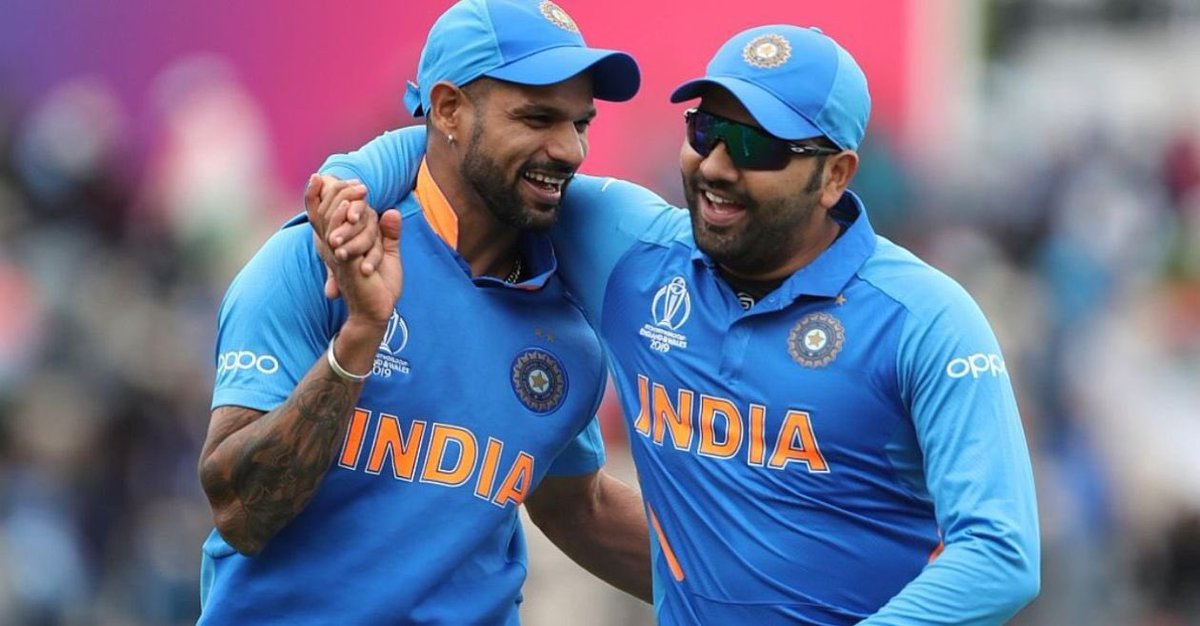
Shikhar: Rohit and I have always shared great understanding and friendship. He entered international cricket early, while I came in later as a more mature domestic player. When Dhoni bhai asked him to open, it marked the beginning of our partnership.
Our earlier grinding in our respective circuits gave us the confidence and maturity we brought to Team India. Building and sustaining that partnership for 10 years was a beautiful journey.
Boria: Do you still see that hunger in Rohit Sharma?
Shikhar: Absolutely. He recently scored a hundred and performed well in Australia. Players like Rohit Sharma and Virat Kohli have achieved so much, and they will step away only when they feel the hunger is gone. They are great assets, and youngsters continue to learn from them as they still lead from the front.
Boria: Tell us about your partnership with Sophie (Shine) – how you met and how she changed your life.
Shikhar: I met her at a restaurant in Dubai about two to three years ago. After my first marriage, I was very clear about what I wanted in my next relationship. There is a strong sense of contentment, our chemistry is great, and I’m really enjoying this phase of life.
Boria: I wish you all the very best in your family life.
Shikhar: Thank you. Feminine energy is very nurturing. Choosing the right partner is one of the most important decisions in life.
Boria: How did you get the name ‘Gabbar’?
Shikhar: During a Ranji match, the opposition was batting and our body language was dropping. From silly point, I shouted, “Bohot yaarana hai”, a dialogue from Sholay spoken by Gabbar. It wasn’t really sledging, so everyone laughed. Vijay Dahiya then gave me the nickname, and it stuck – even during my India days.
Boria: And your famous moustache twirl and thigh-five – they’ve become trademarks.
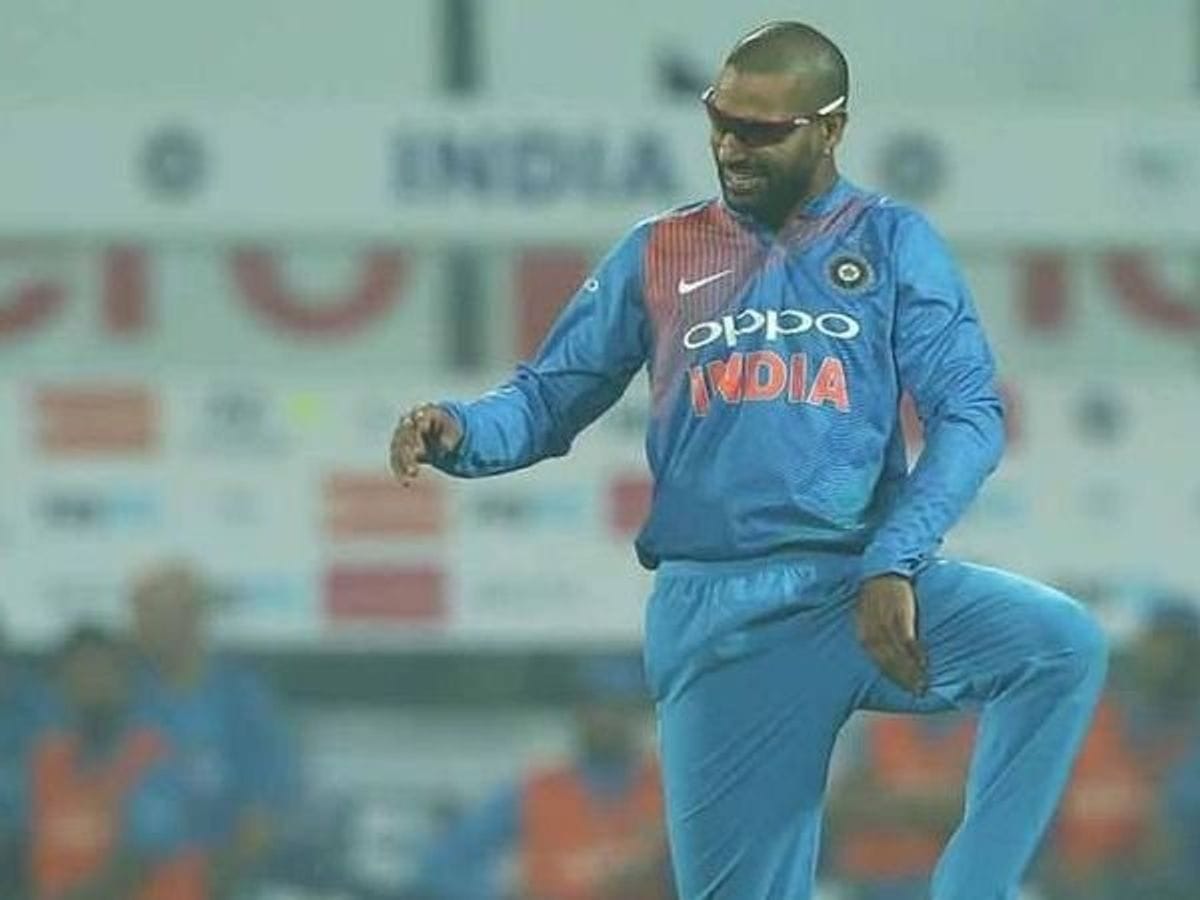
Shikhar: [Laughs] I remember scoring a century and doing the moustache twirl. Many youngsters across India got inspired by it. The thigh-five felt very manly to me, so I did it. I always do things because they resonate with me, not for attention. I picked it up from kabaddi players and never imagined it would become such a trademark. Even today, people ask me to do it at events.
Boria: Abhishek Sharma credits you for introducing him to manifestation. Is that true?
Shikhar: Yes. When Abhishek spoke to me, especially during the IPL, I encouraged him to visualise his cricketing desires as if they were already happening. He practiced this consistently and got results. I shared what I knew about building confidence and self-belief, and I’m very happy to see him doing so well.
Boria: What is your foundation working towards?
Shikhar: It’s the Da One Group. We have two projects. One is Digital Shiksha, where we train underprivileged schoolchildren in technology to make them more tech-friendly. The other is Livelihood on Wheels, where we create special bikes for people with special needs so they can work as delivery personnel and become independent.
It’s amazing to see underprivileged children and people with special needs doing so well now. Sophie heads these projects along with a dedicated team. I’ve achieved a lot in life, and now it’s my turn to give back.
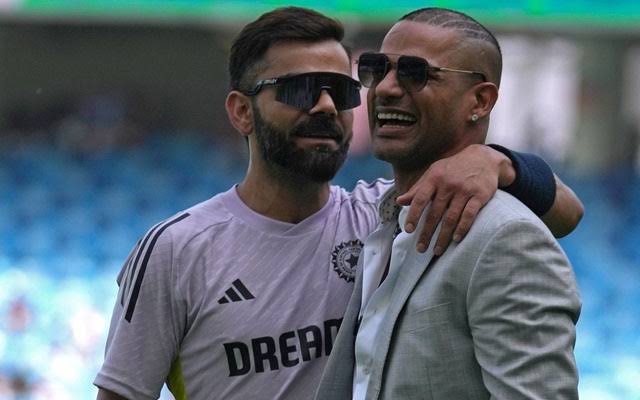
Boria: You’ve shared a strong friendship with Virat Kohli from the beginning. Did you always see that spark in him?
Shikhar: Yes, he always had that hunger. He played under my captaincy in Ranji Trophy, and even at 16–17 years old, he had great clarity about his game. That was his biggest strength.
The day his father passed away, he still came out to bat and scored runs – that showed his character and focus. From that day on, his discipline and intensity only kept increasing.
Boria: Do you want to coach the Indian team someday?
Shikhar: Right now, my manifestation is to be God’s instrument and do whatever He wants me to do with full heart. If the universe wants something like that for me, then why not? I do mentor many people one-on-one, though.
Boria: Can you elaborate on that?
Shikhar: For me, it’s like seva (service). At podcasts or events, I speak about spirituality and thought processes. People often focus only on job skills, but intellectual and self-development are equally important.
It’s about consistency. These practices aren’t for two or three days – they’re everyday habits. Earlier, I didn’t enjoy reading, but now I read at least five to seven pages daily. These are my non-negotiables.
Boria: Let’s talk about failure and pain. After the 2019 World Cup, scoring a hundred in Australia and then not being part of the next World Cup squad – how did you deal with that?
Shikhar: I dealt with it well. Emotional health plays a huge role. You have to learn how to handle emotions and accept situations as they are. Failures are the best teachers – they make you stronger.
Failures push you to think deeper. Challenges exist at every level, and it all depends on the choices you make. Those choices differentiate a champion from an ordinary person. Of course, I felt bad – I’m human – but I’m also grateful to God. When I look back, I see that my last World Cup innings was a hundred with a broken arm, and it helped my team win.
Boria: This has been a lovely, candid conversation. All the very best to you.
Shikhar: Thank you.

Follow Revsportz for latest sports news