




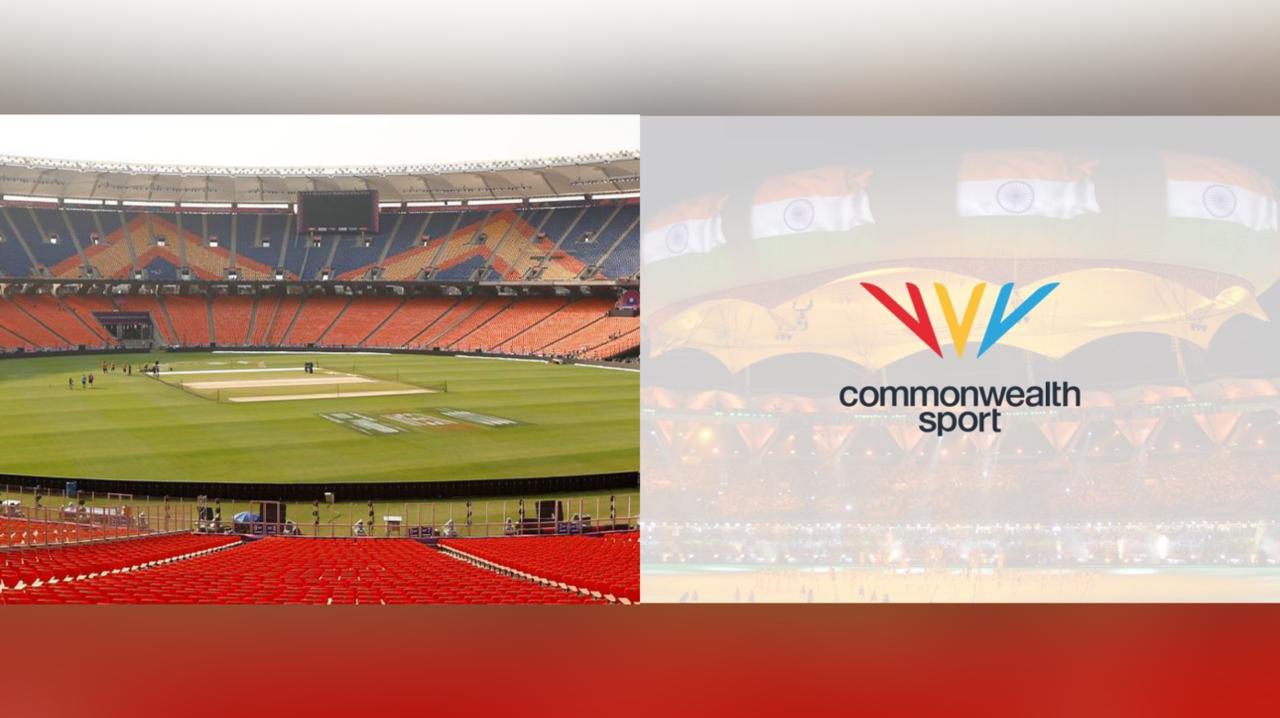
Indian sports will perhaps remember 2025 as a year of transtion and transformaiton. Not just in cricket where with the retirement of stalwarts lie Ravi Ashwin, Rohit Sharma and Virat Kohli from Test cricket, we now have a 25-year-old in Shubman Gill taking over and scoring more than 700 runs in his first series as captain. The women’s team won the ICC ODI World Cup and the nation now tunes in to their matches with the same enthusiasm. Athlectics, squash, chess, archery, kho kho and hcokey have all seen traction and with India clinching the rights to host the Commonwealth Games in 2030, the next five years will see a revelution in all areas of the sports eco-system.
Neeraj Chopra finally crossed the elusive 90-metre mark, throwing 90.23 m at the Diamond League in Doha — a historic performance that places him among the global elite and answers a long-running question in Indian athletics. Chopra’s streak of podium finishes ended at the World Championships, underscoring the fine margins at the highest level. A deep-rooted doping crisis continued to cast a long shadow over Indian track and field, with India ranking second globally in athlete bans, forcing administrators to re-evaluate governance and compliance.
Indian women’s team etched their names in history by winning the Women’s Cricket World Cup — a moment likened to India’s iconic 1983 men’s triumph, igniting hope and pride nationwide. The men’s side balanced success with complexity — winning major white-ball tournaments like the Champions Trophy and Asia Cup, yet facing a rare home Test defeat, revealing lingering structural issues. Franchise cricket continued to be a cultural and economic force, with the IPL and WPL generating huge fan engagement and financial heft.
At this stage, one aspect that is sobering is the state of play when it comes to football. Football experienced one of its most turbulent years in memory. The Indian Super League (ISL) failed to launch, leaving the domestic calendar in limbo and fans frustrated. Administrative deadlock at the All India Football Federation (AIFF) saw sponsors withdraw and stark reminders of governance fragility. On the pitch, the men’s national team slipped in FIFA rankings and failed to qualify for the AFC Asian Cup, marking a disappointing chapter. In contrast, the Indian women’s team qualified for the AFC Women’s Asian Cup on merit, a breakthrough that injected optimism.
Indian men’s hockey reclaimed continental supremacy by winning the Asia Cup and securing World Cup qualification — a statement of resurgence. Squash giant strides continued with India claiming the World Cup, showcasing the country’s depth beyond mainstream sports. India dominated the inaugural kho kho World Cup with both men’s and women’s teams unbeaten on home soil.
All said, when I look back at this year, I have five key takeaways:
1. Women’s Cricket Is India’s Most Convincing Success Story. The ODI win confirmed that investment + continuity + competitive exposure works. This is the clearest blueprint India has across any sport.
2. Men’s Cricket Has Entered the Accountability Phase. India no longer measures success by competitiveness. Winning matters.
3. The IPL Is a Blessing and a Blind Spot. It proves what professional governance can achieve, yet highlights how few other sports enjoy similar structures. Replication, not resentment, is the need of the hour.
4. Olympic Excellence Must Be Normalised, Not Celebrated as Exception. Neeraj Chopra should be the start of a category, not a standalone chapter. Systems must create more such inevitabilities.
5. Indian Sport Now Needs Patience, Not Just Passion. From cricket transitions to Olympic cycles, the next leap will be driven by mental resilience, calendar stability, and career longevity, not raw talent.


For more updates, follow REVSPORTZ.