



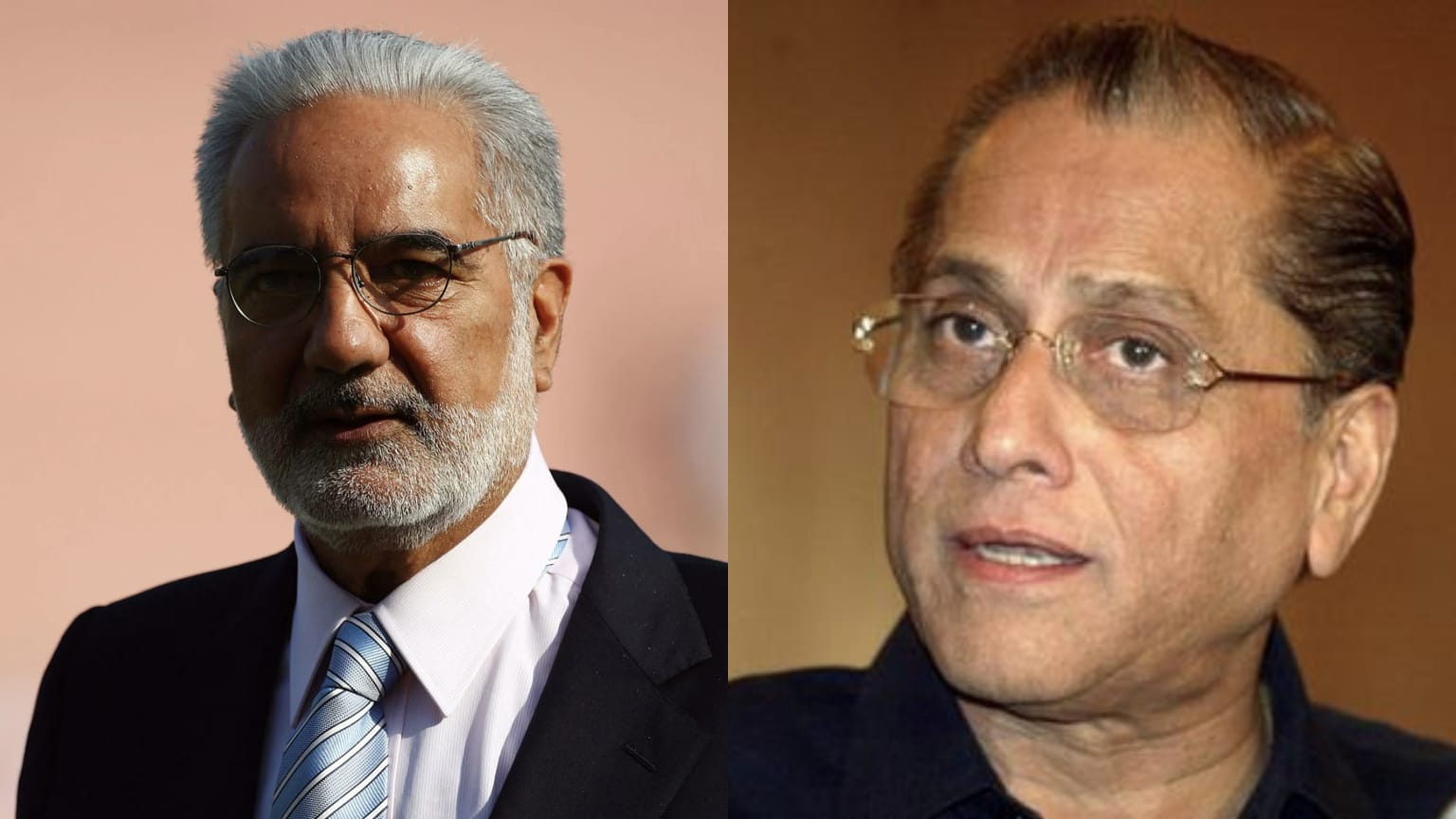
GS Walia
I first met Mr Bindra in 1975 in Patiala and the association lasted for 50 years. Inderjit Singh Bindra and Jagmohan Dalmiya changed Indian cricket, but I would come to that later.
First, how he brought top-class cricket facilities to Punjab. Mr Bindra knew that the starting point had to be infrastructure development and it was imperative that we built a world-class stadium. The work started in 1991 and we had Rs 40 crore at our disposal. Eventually, we would run out of money. But Mr Bindra, the great administrator that he was, would ensure our dream wasn’t shattered. He would organise matches at the half-built stadium and money would come that way. When the work was finished, we had something we could be proud of. To have good cricketers and a good cricket team, you need good infrastructure. And that was the beginning.
Mr Bindra was a seven-time Punjab Cricket Association president and as a member of his team, as the association’s treasurer and then secretary, I had the opportunity to see his administrative acumen at close quarters. He was an administrator par excellence. The BCCI also benefited immensely during his stint as its president from 1993 to 1996.
Now to the partnership between Mr Bindra and Mr Dalmiya. Together, they formed the benchmark for cricket administration. Mr Bindra was the planner, while Mr Dalmiya was the executor. They were instrumental in bringing the 1987 World Cup to India. They convinced Reliance to sponsor the tournament and the BCCI’s pledge to the Member boards of the ICC that they were guaranteed extra revenue did the trick. India is the game’s biggest power now. The seeds were sown at the 1987 World Cup.
Together, they also revolutionised Indian cricket by breaking the monopoly of Doordarshan. Earlier, the BCCI had to pay the state-owned broadcaster (around Rs 5 lakh per game as production cost) to telecast India’s matches. Before the Hero Cup in 1993, Mr Dalmiya as the Cricket Association of Bengal president and Mr Bindra as the BCCI president decided to sell the broadcast rights to a private international agency, Trans World International. A legal battle ensued and in 1994, the Supreme Court passed a landmark judgment that airwaves weren’t a government monopoly. It was the game-changer. It ensured a windfall for Indian cricket.
Mr Bindra and Mr Dalmiya complemented each other. They fell out over personal reasons, but good that they eventually buried the hatchet.
GS Walia is a former Punjab Cricket Association treasurer and secretary who worked with IS Bindra for 50 years as a cricket administrator. He pays his tribute to the ex-BCCI president who passed away on Sunday
(As told to Shamik Chakrabarty)
For more updates, follow REVSPORTZ.