



The storyline being pushed right now is one of panic: a broadcaster staring at massive losses, hit by regulatory hurdles on online gaming ads, facing an uncertain future with potential bans on pan masala advertising. That version makes it easy to believe JioStar wants out of cricket. But scratch beneath the surface, and the picture flips. This isn’t retreat.
This is a strategic play to reset the economics of global cricket — on JioStar’s terms. The market reality is blunt: there is no saviour waiting to swoop in with a cheque book. Amazon and Netflix don’t see cricket rights as core to their streaming strategy. Sony and Zee have neither the appetite nor the balance sheet to chase the numbers Star once committed to.
There is no White Knight who will match the $3.2 billion fee originally agreed with the ICC. JioStar knows it. The ICC knows it. And everyone around the negotiating table understands that India remains the epicentre of cricket’s monetisation ecosystem and JioStar is the only company with the reach, technology, and pricing ability to make these rights viable.
That is why the talk of “exit” is more pressure tactic than actual intent — a well-calculated lever to force a recalibration of the contract. Yes, the agreement is ironclad on paper; ICC can legally force JioStar to honour it. But the most likely outcome is a restructured deal that extends the rights cycle. Instead of expiring in 2027, expect the contract to run till 2029 with little to no incremental payment for those additional years. The total value remains intact, giving the ICC a narrative of stability. But the annual financial burden on JioStar drops sharply, improving optics in boardrooms and markets.
The one complicating factor is the Associate Member nations. Their very survival depends on ICC distributions. A straightforward fee reduction would spark a political revolt. An extension, however, smooths the curve: money flows slower, but for longer. The headlines celebrate continuity, while the accounts quietly correct themselves.
Here is the underlying truth: if JioStar blinks, the entire global cricket economy blinks. And nowhere is that clearer than in the IPL — the sport’s most valuable asset. Any drop in IPL rights valuation would send shockwaves through franchise balance sheets, private equity investors, and banks underwriting cricket’s future. The IPL must remain bulletproof. That means no sudden expansion beyond the current 74 matches, no dilution of media value, and no admission that the cricket economy is cooling. IPL pricing will be protected, even if everything else around it is being repriced.
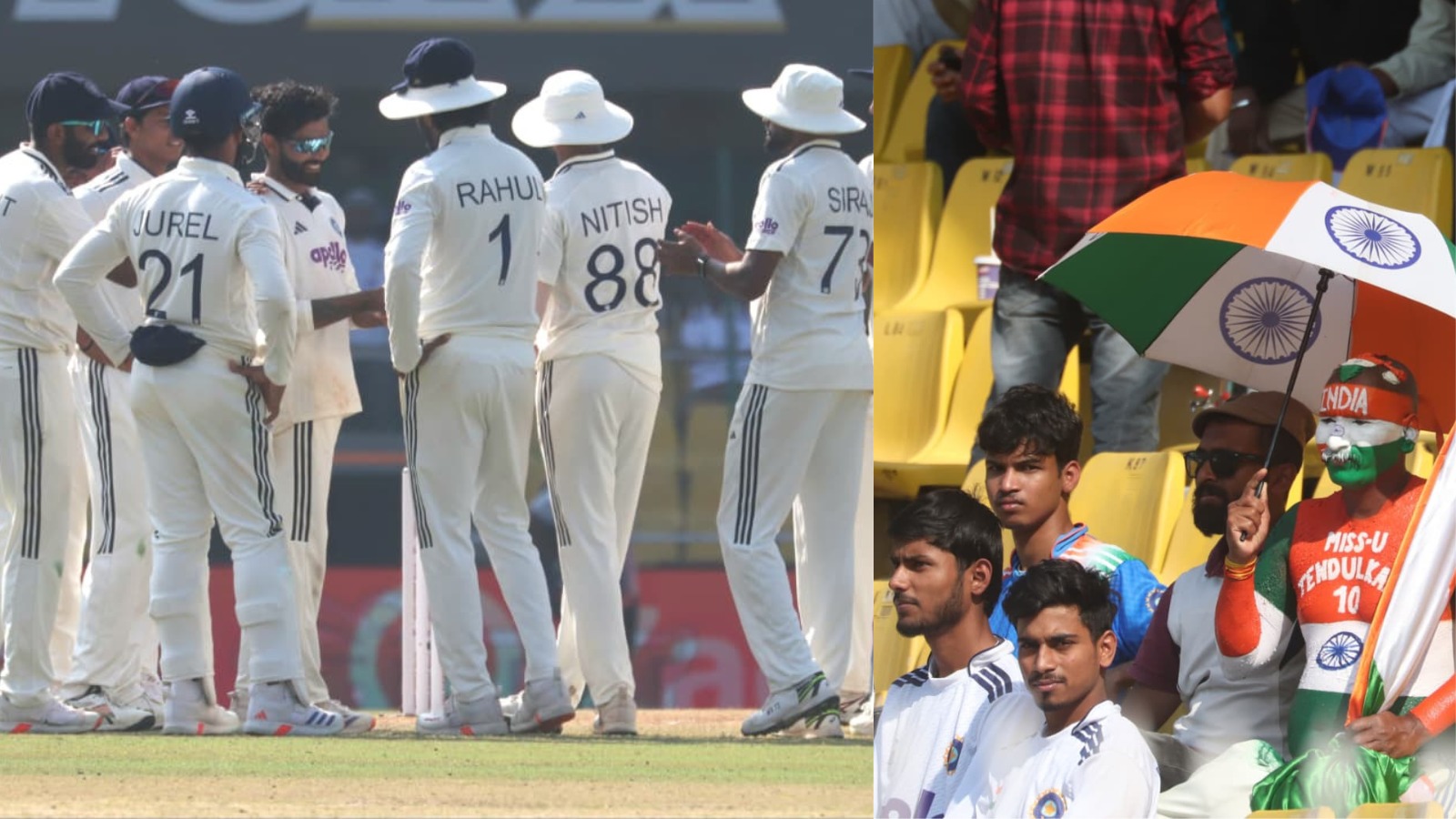
So who takes the hit? The BCCI’s bilateral rights. Broadcasters are done paying premiums for low-yield Test cricket against mid-tier opponents. The data is unequivocal: declining watch-time, lower CPMs, limited sponsorship traction. The new reality will force BCCI to rethink volume, formats, and scheduling. Expect fewer Tests, shorter series, and more stick to the formats that deliver … read ODIs and T20Is. The calendar will shrink, not out of choice, but out of commercial necessity.
JioStar isn’t walking away from cricket. It is simply right-sizing the costs. And in doing so, it is defining a new power equation. ICC gets stability without admitting weakness. IPL remains the crown jewel with valuation protected at all costs. BCCI accepts a correction in bilateral economics while leaning harder on white-ball revenue. And fans? They may not notice the shift immediately but the cricket calendar they consume five years from now will be shaped by this very moment.

Follow Revsportz for latest sports news