


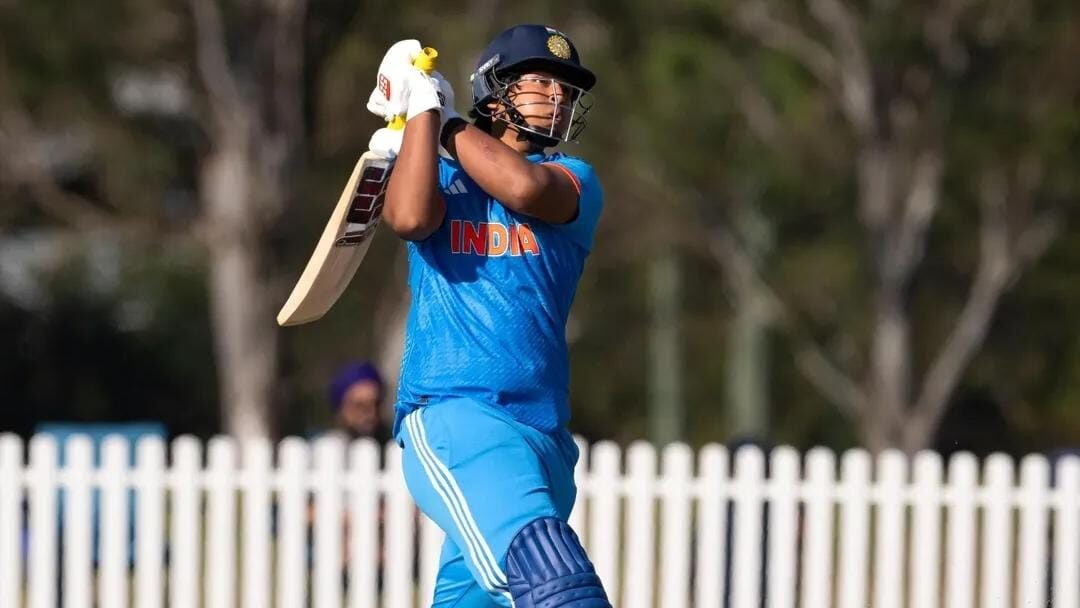
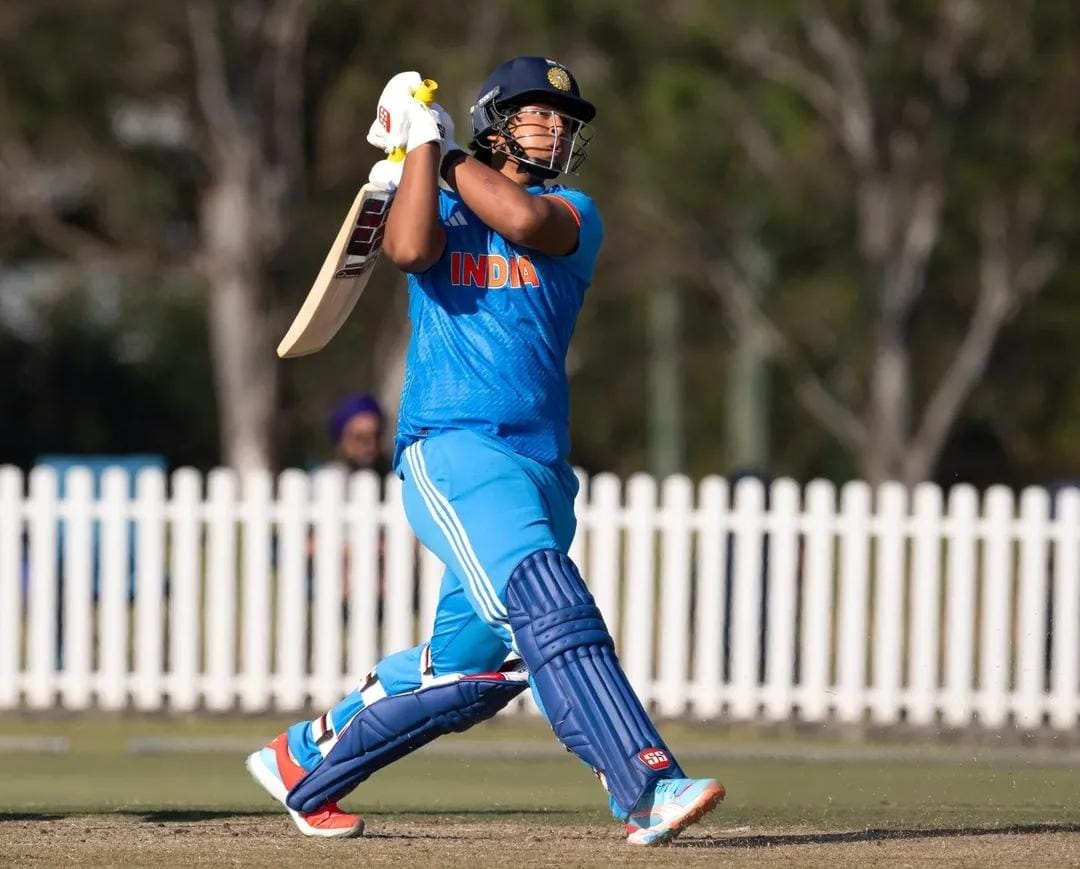
The most dangerous thing that can happen to a young cricketer today is not failure; it is premature success. Money, instant fame, social media adulation, and the unrelenting spotlight of leagues like the IPL can arrive before the emotional equipment needed to handle them. Vaibhav Sooryavanshi’s misplaced aggression in the U-19 Asia Cup final against Pakistan was not merely an individual lapse; it was a symptom of a system that accelerates stardom but delays maturity .
Talent has never been the issue. Vaibhav is, by any measure, a generational prospect. But modern cricket increasingly tests something far more fragile than technique: temperament. When a teenager begins earning sums that veterans once accumulated over entire careers, when cameras follow every move and every reaction is clipped, looped, and weaponised on social media, the line between confidence and entitlement blurs dangerously fast.
What made this incident unsettling was not just the act itself, but the context. You are not only playing a game; you are representing a country, a culture, and a crest in contests where emotions run high and symbolism matters. The inability to walk away quietly after a poor shot suggests a deeper problem: an erosion of humility caused by excessive validation and insufficient grounding.
This is where responsibility must widen beyond the player. Franchises, first and foremost, cannot behave like venture capitalists chasing upside alone. Buying a teenager is not just a cricketing investment; it is a custodial duty. Mental conditioning, behavioural mentoring, and off-field education must be non-negotiable parts of contracts. Winning matches is important. Protecting careers is more so.
Consequences for crossing the line should be firm but corrective, not performative. The aim should never be public shaming, but private learning. The media, too, must introspect. We celebrate prodigies too loudly and too early, turning teenagers into brands before they have learned to be professionals.
A corrective-action template for the future must be firm yet reformative, designed not to punish but to protect young careers from the weight of premature success. The first step should be immediate internal acknowledgement, where the player is made to understand the lapse and its wider implications without public humiliation or forced apologies. This must be followed by a structured education session that places the incident in context…covering the meaning of national representation, the sensitivities of high-stakes contests, and how minor gestures are magnified in today’s media ecosystem.
Crucially, every young player who crosses the line should be paired with a senior mentor for a sustained period, someone who has lived through fame, made mistakes, and learned to recover, offering guidance that extends beyond cricket into life skills and emotional balance. Alongside this, franchises and boards must institutionalise behavioural conditioning through sports psychologists, training players to handle provocation, failure, and pressure just as rigorously as they train technique.
And finally, the player himself must learn the hardest truth of elite sport: talent earns entry, but temperament decides longevity. Walking away quietly on a bad day is not weakness. It is strength refined.
Vaibhav Sooryavanshi will be judged not by this gesture, but by what he becomes tomorrow. If guided correctly…by franchises that mentor, boards that discipline wisely, and a media that resists hype, this episode can be a turning point rather than a warning sign. Indian cricket has seen enough prodigies to know this much: skill dazzles briefly, but humility endures.

For more updates, follow REVSPORTZ