


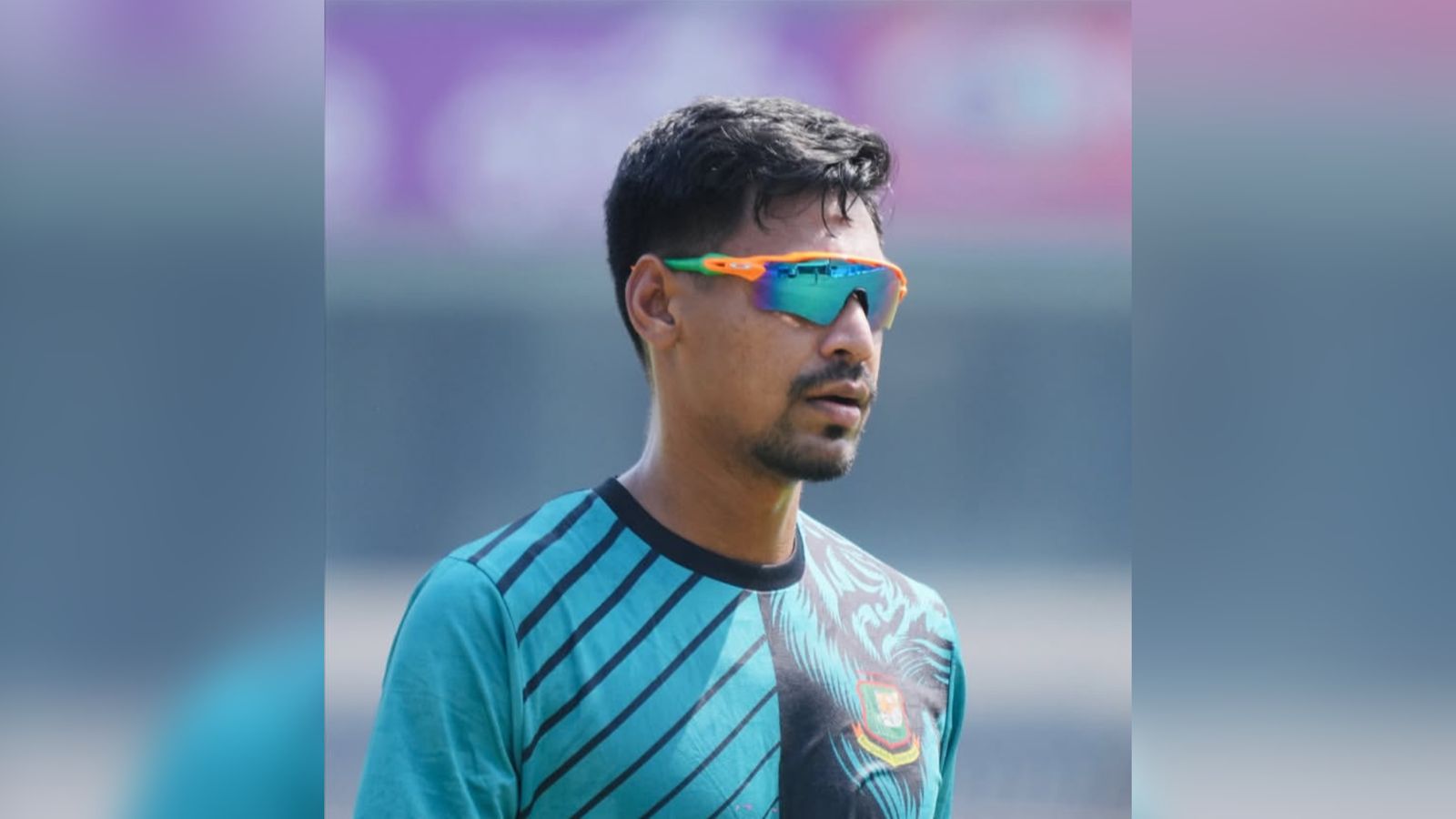
In a major development that will have wider political ramifications, the BCCI have asked Kolkata Knight Riders (KKR) to release Mustafizur Rahman from the squad, and KKR have already done so, following due protocol. First things first, the BCCI cannot make this call unilaterally. A seasoned administrator and a legal eagle, Debajit Saikia could not have taken this call without back-channel talks with the central government. Clearly, the decision was taken at the External Affairs Ministry level, in consultation with the Home Ministry, and the BCCI may have merely implemented it.
Now to the decision itself. With the rise in intolerance in Bangladesh, the unabated crimes against humanity, and attacks on minorities, this was waiting to happen. And yes, this does put India’s tour of Bangladesh in September at risk. Unless there is political stability, and unless New Delhi is convinced of the safety and security of the Indian team, there will be no tour—and rightly so.
Let’s also remind ourselves that the T20 World Cup is just a month away. Bangladesh are scheduled to play three of their games at Eden Gardens. Will we see a change in the schedule, or will things go on as planned, given that it is a multi-nation event? Will fans be allowed to travel, or will we see a tightening of regulations in the coming days? The situation is evolving, and it would perhaps be unfair to comment further, except to say that the decisions will be taken by the Centre and not by the sports establishment.
This decision is yet another example of how sport and politics are bedfellows. They always have been and always will be. Anyone who claims otherwise is, in fact, making a political statement and trying to deny the truth. Each time the national anthem is played on the sports field, it is a celebration of nationalism and a political act. Players, with hands on their hearts, singing the national anthem while standing on the medal podium and watching their national flag rise is among the most celebrated sights in sport—and nothing can be a more potent symbol of aggressive nationalism.
India has long had its share of political moments in sport. The standout surely remains the refusal to perform the Hitler salute in front of the German Chancellor at the opening ceremony of the 1936 Games. Though the Berlin Games ultimately came to be remembered for the exploits of American athlete Jesse Owens—whose triumphs disproved Nazi theories of Aryan dominance—the Indian decision not to salute Hitler was a grand gesture of defiance, fully in sync with the dominant stream of Indian nationalism at the time. The Indians were the only contingent, apart from the Americans, not to perform the raised-arm salute as a mark of respect for the German Chancellor.
In sum, sport has always allowed for political statements. It helps draw international attention in ways few other spheres can. As a result, it will forever be used to make larger political statements, and to deny its potential to do so is an attempt to strip it of one of its most fundamental characteristics.

Follow Revsportz for latest sports news