


Finally, there is some relief for Indian football fans. After weeks of uncertainty, the leagues are set to return from mid-February. It may be late, but at this stage, it was absolutely necessary. Significant damage has already been done because of the prolonged impasse. A few more weeks of delay could have made the situation far more threatening and difficult to recover from.
On Tuesday, Union Sports Minister, Mansukh Mandaviya’s announcement, came as music to the ears of many—fans and footballers alike—though perhaps not entirely so for the club owners. The league will be played in a truncated format, which, under the current circumstances, appears to be the best possible way to ensure the season goes ahead despite several hurdles.
Each team will play 13 matches—almost half of what they would normally play in a full season. Some clubs may get seven home games, while others will get six, depending on the condition and availability of their home venues. This uneven structure also raises questions about commercial returns, as clubs remain unsure how much they will be able to generate from sponsors in a shortened season.
At least there is some relief in the fact that the league will be played in a home-and-away format. However, beyond clubs like Kerala Blasters, Mohun Bagan and East Bengal, it remains to be seen whether others will truly be able to make the most of this arrangement in terms of fan engagement and revenue.
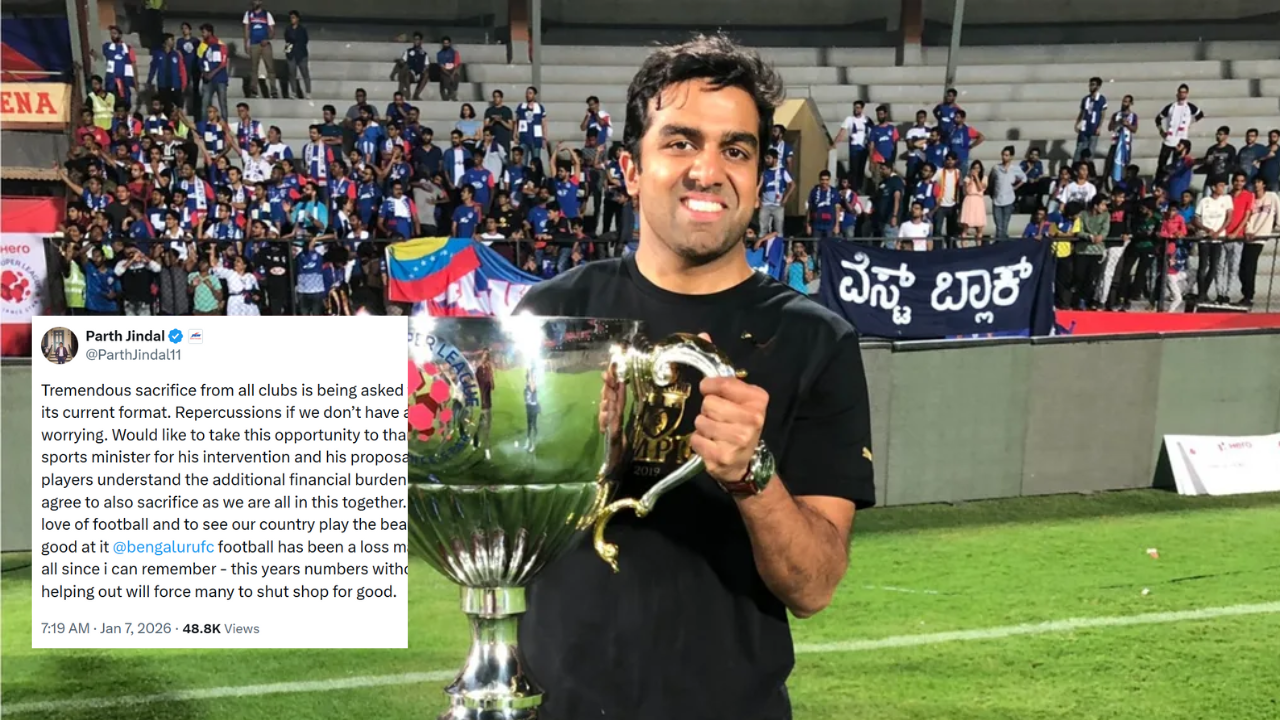
“Tremendous sacrifice from all clubs is being asked for, to play the ISL in its current format. Repercussions if we don’t have a league are very worrying,” Bengaluru FC owner Parth Jindal wrote on social media.
Multiple club sources have indicated that under the proposed format, the cost of running the matches may outweigh the revenue generated. This could force several clubs to reduce their budgets for the season. There is a strong possibility of cost-cutting measures, including budget slashes and even player pay cuts, as clubs search for viable ways to operate this season.
“Truly hope the players understand the additional financial burden on the clubs and agree to also sacrifice, as we are all in this together. We are in this for the love of football and to see our country play the beautiful game and be good at it. Bengaluru FC football has been a loss-making proposition for as long as I can remember. This year’s numbers, without the players helping out, could force many to shut shop for good,” Jindal added.
Some clubs may also be forced to field all-Indian squads. Mohammedan SC have already decided to do so for this season, and a few others could follow a similar path or at least reduce the number of foreign players in their squads.
Despite all these concerns, the most important takeaway is that football will be played. Fans will get to watch Indian football again, and players will return to competitive action—something that was absolutely necessary.
That said, it is now crucial for the AIFF to deliver on its proposed long-term roadmap. The federation has set an end-of-May deadline to finalise and onboard a commercial partner for the next 20 years of the league. That plan must materialise. Only then can the league become sustainable again.
Otherwise, Indian football could be staring at a drastic shift—shrinking budgets, falling player and coach salaries, and clubs that have been loss-making for years potentially being forced to shut down operations altogether.
Also Read: Truncated ISL and I-League seasons the optimal solution for Indian football