


“Why all the fuss about coaches? It is captains and players who win or lose matches.” This was the point Ian Chappell made in 2022. The late, great Shane Warne once described a coach as little more than a vehicle to get you to the ground. Over the years, there have been occasions when players openly questioned the absence of a coach, and naturally, everyone is entitled to his/her opinion.
One could argue that experienced players such as Virat Kohli and Rohit Sharma at this stage of their careers may not strictly need a coach. Both have spent years at the highest level and possess a thorough understanding of the game. However, the same might not be true for the youngsters. Coaches such as Rajkumar Sharma and Dinesh Lad were instrumental in shaping the early careers of Kohli and Rohit, helping them transform into the stars they are today.
There is a reason why both cricketers hold their coaches in such high regard. The world is familiar with Sachin Tendulkar’s deep respect and affection for his coach, Ramakant Achrekar. Regardless of differing opinions, the truth remains that coaching is still an integral part of the game. This is particularly true at the junior level, when players are young and require guidance. Time and again, players like Shubman Gill, Ishan Kishan, Prithvi Shaw and Sarfaraz Khan have credited Rahul Dravid for being a guiding light when he served as head coach of the India U-19 team.
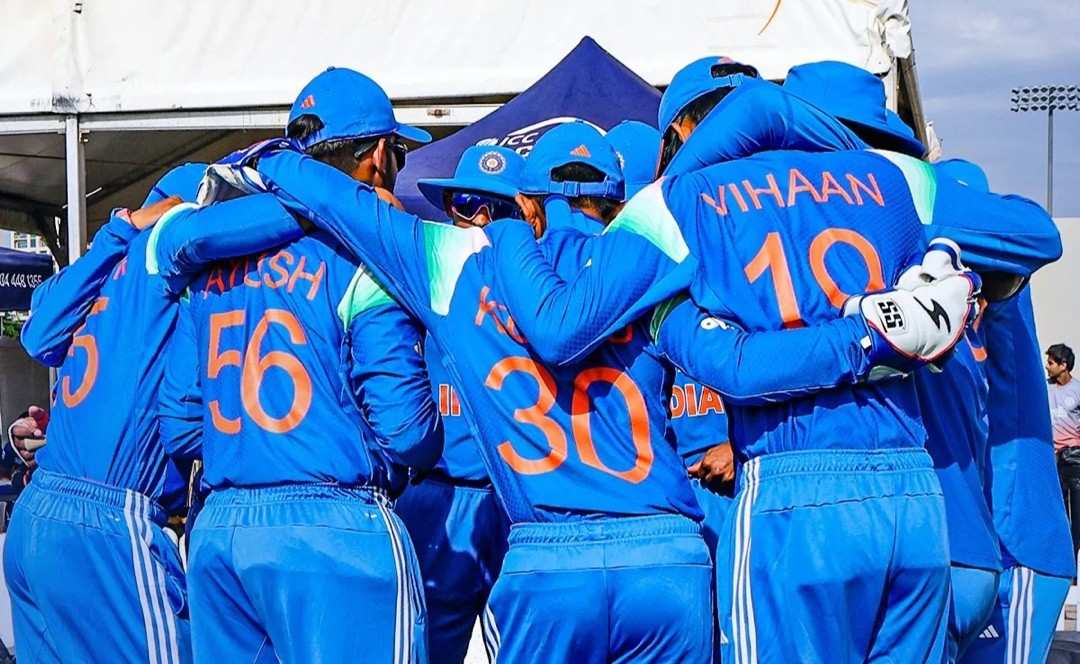
But why has coaching suddenly become a topic of discussion? India’s loss to Pakistan in the U-19 Asia Cup final in Dubai has brought attention back to its importance. After remaining unbeaten throughout the tournament, they lost a high-octane clash against the Men in Green. A review meeting could be conducted involving captain Ayush Mhatre and head coach Hrishikesh Kanitkar.
The manner of India’s defeat highlighted a crucial point: were the players mentally prepared for such a steep chase? It is the responsibility of coaches not only to fine-tune players’ skills but also to prepare them for high-pressure situations. History shows that at the heart of every successful India U-19 campaign is a strong coach, and Dravid is a prime example of this.
Mhatre is still in the early stages of his captaincy. Kanitkar, who has twice served as head coach of the India U-19 team in the last two World Cup editions, will need to remain a constant source of guidance to the squad. He must ensure that the players not only perform well on the field but also uphold discipline and professionalism off it.


For More Sports Related News: Follow RevSportz