
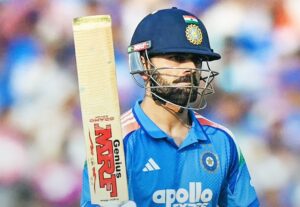





He was just 21 when he crunched a memorable hundred at the MCG. More importantly, it was an innings that symbolised his mental toughness at such a young age. This isn’t a name-the-cricketer contest, and we are obviously talking about Nitish Kumar Reddy. But ever since Nitish struck that hundred at the MCG colosseum, his role in the Indian side across formats has been endlessly debated. Is Nitish good enough to get into the side as an all-rounder? Is he a bits-and-pieces cricketer?’
With India having recently played New Zealand over a three-match ODI series, let’s restrict the topic to whether Nitish can be an established member of the 50-over format. To delve deeper into the debate, just peel the outside coating of his skill set and concentrate on his batting. Could Nitish get into the playing XI mainly as a batter?
On the surface, it might be tough for Nitish to make it to the XI. Hardik Pandya is more or less set to take his place the next time India partake in an ODI series. However, considering the fact that the Indian selectors are managing Hardik’s workloads, Nitish could still secure a berth in the eleven in a few ODIs ahead of the 2027 World Cup.
From Nitish’s perspective, in his brief career, he has shown enough potential on the batting front. Not just his hundred at the MCG, but Nitish also played timely hands in tricky conditions in Perth and Adelaide in the Test series in Australia.
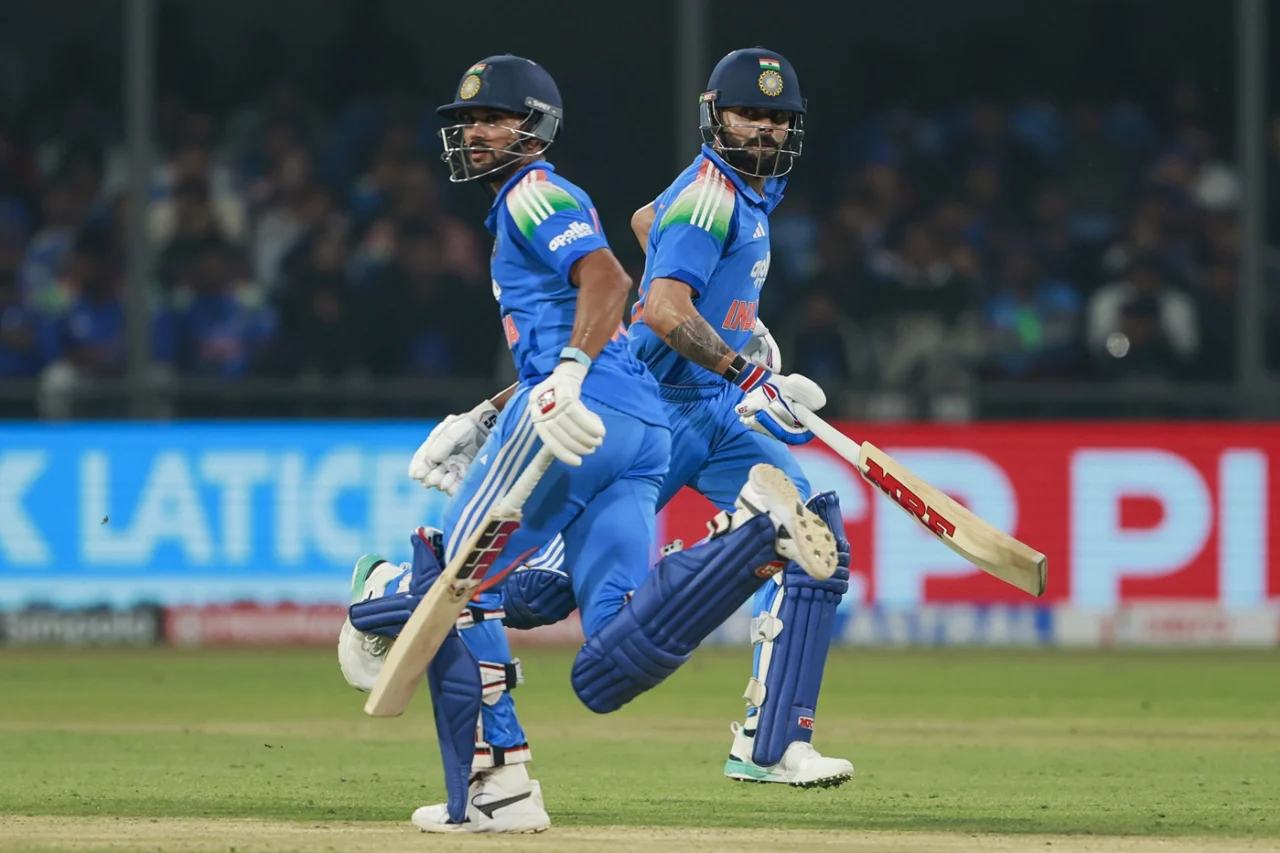
Also, when India were chasing down a sizeable target of 337 in the Indore ODI against New Zealand, Nitish shared an alliance of 88 with Virat Kohli to prop up the innings. His detractors will point out that he gifted his wicket away at a crucial juncture of the game. Despite that criticism, the essence of the point doesn’t change – Nitish once more gave glimpses of his promise with the willow in hand.
What about his bowling then? Is it suited to how modern-day ODI cricket is played? In this day and age, the white Kookaburra generally doesn’t swing for more than 2-3 overs upfront. In a podcast with R Ashwin, Javagal Srinath had once said: “The ball that we used to feel those days, the seam was quite pronounced. But now if you see it is absolutely flat. Therefore, you see nothing much happens with the ball initially.”
Returning to Nitish’s traits as a bowler, his main strength is his ability to swing the ball conventionally. With time, he has also learnt to bowl the wobble-seam delivery. In that respect, the salient features of his bowling aren’t exactly tailor-made to how 50-over cricket is played these days.
Even if he opens the bowling for a couple of overs, the following question can be asked – how to utilise Nitish’s bowling over the rest of his quota? Among the prevailing options, the one that can give Nitish a bit of a buffer is the wicketkeeper standing up to the stumps. A ploy that was tried by the Indian team in the Indore game.
Present-day limited overs cricket is such that it demands more of hit-the-deck skills, unless you happen to be a left-arm paceman. Simply because the pacer then can pound it higher up on the splice, which in turn gives him a bit of breathing space. Incidentally, Hardik is one of those who is useful at this skill, alongside being a yard quicker.
As a subset to the above-mentioned point, some might wonder about Nitish’s lack of pace. The fact of the matter is that extra bounce from a slightly fuller length tends to score over pace. To illustrate the point further, in last year’s IPL, when RCB’s Rasikh Salam ushered in a 134 kph delivery against KKR, it went scurrying away to the fence. When Josh Hazlewood bowled at a similar pace, he had the batter caught in the crease with disconcerting bounce from a good length.
Some months later, in a T20I in Australia, with a 122 kph short delivery, the 6’4″ Shivam Dube got one to climb awkwardly on to Tim David, forcing a miscued pull. Unfortunately, Nitish isn’t well over 6 feet, and he doesn’t seem like someone who can snap his back hard akin to a hit-the-deck pacer.
After taking a deep dive into Nitish’s all-round quiver, it seems prudent to say that he has enough potential to establish himself in the top six of the Indian ODI unit. Of course, he can also chip in with a few overs of seam. But for that to happen, Nitish has to be frequently promoted up the order. That move would basically come down to Hardik’s availability.
A few days ago, while batting at No. 6, Nitish had a golden opportunity in Indore to convert a fifty into a game-breaking hundred. But destiny had something else in store.