


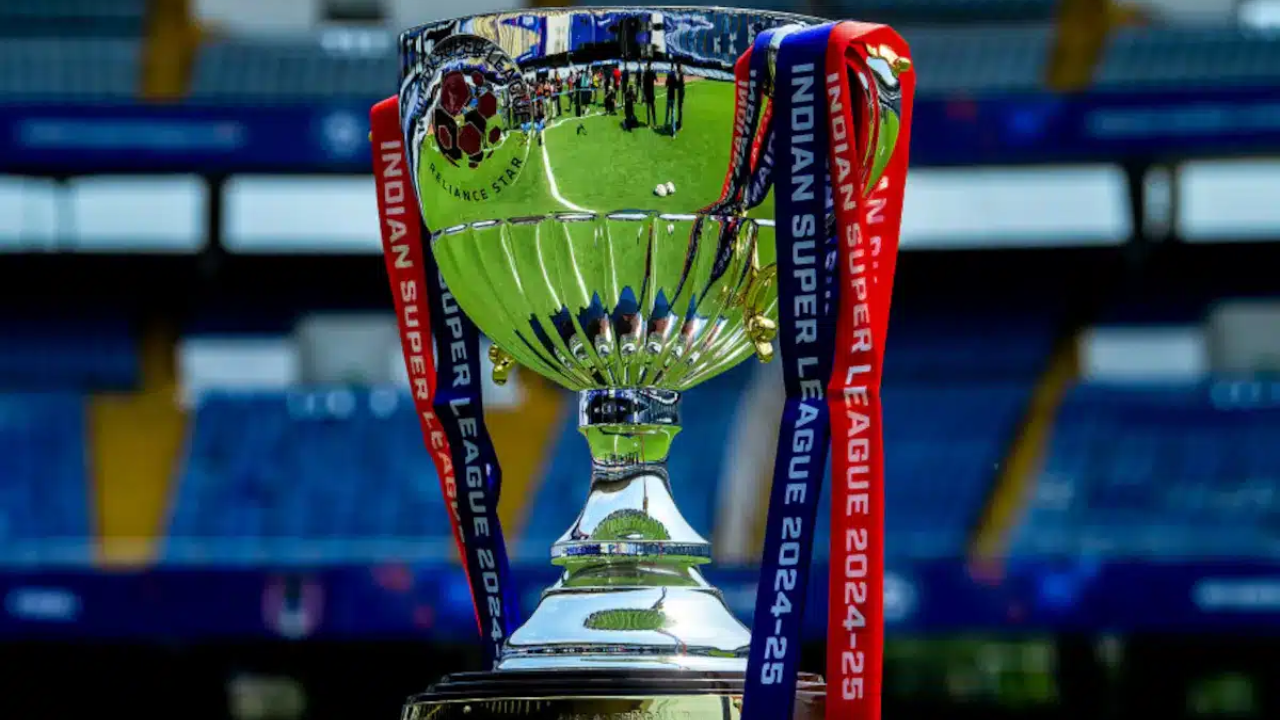
Finally, some good news. Football will restart in the country, and we will see both the ISL and the I-League take place from February. On a day full of hectic meetings, the AIFF managed to get approval from its Executive Committee, brought the clubs together for a meeting at 3pm, and finally had Sports Minister Mansukh Mandaviya brief the media after 5pm.
First things first: the structure isn’t perfect. None of us expected it to be when everyone is racing against time. But, at least we will have football, and that is the most important thing at the moment. Both the ISL and the I-League will be played in the home-and-away format, with the difference being that teams will play each other only once. This will result in half the clubs getting seven home games, and the other only six. Presumably, a computerised draw of lots will decide which teams host which others.
To put things into perspective, each ISL team played 24 matches in the league phase last season. Most European leagues and the MLS in the USA have between 34 and 38. In the lower leagues in England, they play as many as 46.
For clubs like Kerala Blasters and the Kolkata giants, who can earn significant revenue from gate receipts, this is a big boost, though a significant drop from the 12 home matches each got before the play-offs last season. Ultimately though, this was the best possible outcome in a truncated season.
That brings me to the larger question. While we are all focused on the resumption of the sport, the far more important issue is what happens in the long term. Indian football has lost a lot this season, and it cannot afford to do so in the future. It is now up to the AIFF to identify a commercial partner and finalise a 20-year roadmap alongside the resumption of the leagues. Unless that happens, the players and clubs will have little incentive, and even the AFC—which can make an exception for one season—will not remain in sync.
The AIFF has its task cut out over the next month. First, it has to get the leagues off the ground. Second, it must float a tender for a commercial partner and burn the midnight oil to get one on board. Logically, the AIFF should sit down with FSDL, resolve its differences, and work toward the future of Indian football. That is the most pragmatic outcome and the one that would be most acceptable to all ISL clubs.
I am also pleased with the outcome because of our women’s team. They had a very good 2025, but with all the negativity surrounding the sport, they haven’t been celebrated enough. In the absence of a league, they would have suffered greatly. Had there been action against India, it would have included the women as well. As Gurpreet Sandhu said, “What are we supposed to tell them then? They have qualified for the Asian Cup and are a step away from the World Cup. We need to back them wholeheartedly.”
I see the truncated league more as a relief than anything else. It was becoming tougher by the day for footballers, as the videos released by the players suggested. Many were forced to look for alternate jobs, while clubs had suspended practice and were close to shutting down. Salaries were pending, and things were truly gloomy. This is why the resumption is welcome.
That said, the focus must now shift to a long-term solution, because we know how dire things can become if the right steps are not taken. While the sport is back, the AIFF must ensure that the 20-year plan is firmly in place by early February. That is when the battle will truly be won.
Also Read: ISL to resume on February 14; all clubs to participate, confirms Sports Minister