


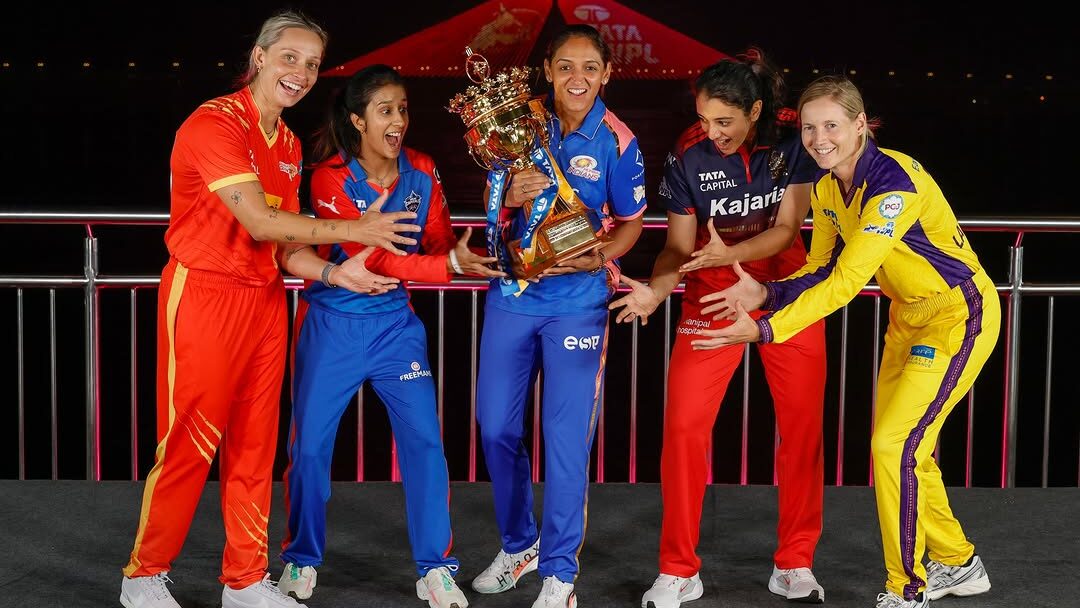
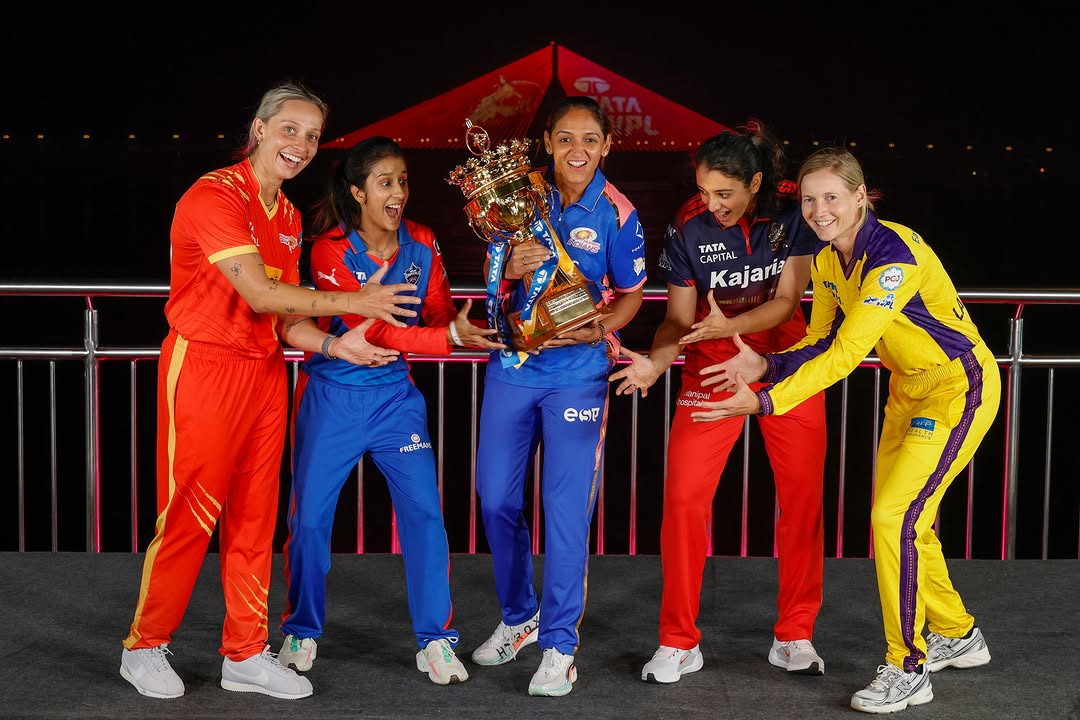
India’s historic triumph at the 2025 ICC Women’s ODI World Cup was not just a title win, it was a statement. It validated depth, professionalism, and the steady rise of women’s cricket in the country. But as celebrations fade and the calendar turns, the spotlight shifts quickly to the shortest format, with the 2026 ICC Women’s T20 World Cup in England just three to four months after the upcoming Women’s Premier League season.
That timing makes the WPL far more than a domestic franchise tournament. In 2026, it becomes an extended audition, arguably the most high-pressure, high-visibility one possible.
From Reward to Relevance: The Post-World Cup Reset
An ODI World Cup win often brings a sense of closure. But in modern cricket there is no luxury of pause. The WT20 World Cup demands different skills, sharper roles, and far greater clarity in selection.
The WPL sits at this precise crossroads. It is where reputations will be challenged, combinations tested, and form scrutinised ball by ball. For selectors, it provides competitive data under sustained match pressure. For players, it offers a chance to align individual performances with clearly defined team requirements.
The Injury Comebacks That Could Shape Selection
Equally significant is the WPL’s role as a comeback platform for players returning from extended injury layoffs. For cricketers who have spent months away from competitive action, match fitness, rhythm, and confidence cannot be rebuilt through training camps or domestic nets alone. The WPL delivers high-intensity game time against elite opposition, compressing recovery, assessment, and selection into one decisive window. Players such as Shreyanka Patil, Prema Rawat, Kashvee Gautam, and Titas Sadhu typify this group—talented, known quantities who have lost valuable time to injuries. With the T20 World Cup barely months away, the WPL becomes their most realistic route back into contention, allowing selectors to judge not only fitness, but true match readiness under pressure.
Overseas Players: Form, Confidence, and English Conditions
The significance of the WPL is not limited to Indian hopefuls. For overseas players, it is equally critical.
With the T20 World Cup scheduled in England, conditions will demand adaptability, movement through the air, seam control, tactical batting, and bowling discipline. The WPL, featuring world-class international match-ups and a variety of Indian surfaces, offers an ideal preparatory environment.
A prolific WPL can revive a faltering international season. A lean one can prompt difficult questions. Either way, form here travels.
Less than 24 hours to go as #WPL2026 gets underway!
Defending champions Mumbai Indians will take on Royal Challengers Bengaluru in Navi Mumbai in the season opener tomorrow.
How impactful can the fourth edition of the WPL be? What should we expect from each team? Which… pic.twitter.com/EFBULDwYvr
— RevSportz Global (@RevSportzGlobal) January 8, 2026
The Selector’s Goldmine
What makes the WPL uniquely powerful is context. Performances do not come against weakened line-ups or experimental XIs. They come against full-strength sides, international stars, and tactically astute coaching groups that ruthlessly expose weaknesses.
For Indian selectors, this compresses decision-making. Roles emerge organically. Finishing ability, powerplay impact, death-overs temperament, every critical T20 attribute is tested in real time.
More Than a League, a Gateway
Post-World Cup euphoria is fleeting. Legacy is shaped by what follows.
In 2026, the WPL is not merely a reflection of how far Indian women’s cricket has come, it is the gateway to where it intends to go next. For players returning from injury, chasing relevance, or seeking redemption, this represents the most important competitive window before England.
The message is simple: perform here, and the World Cup door remains open. Fail to do so, and time may not wait.