


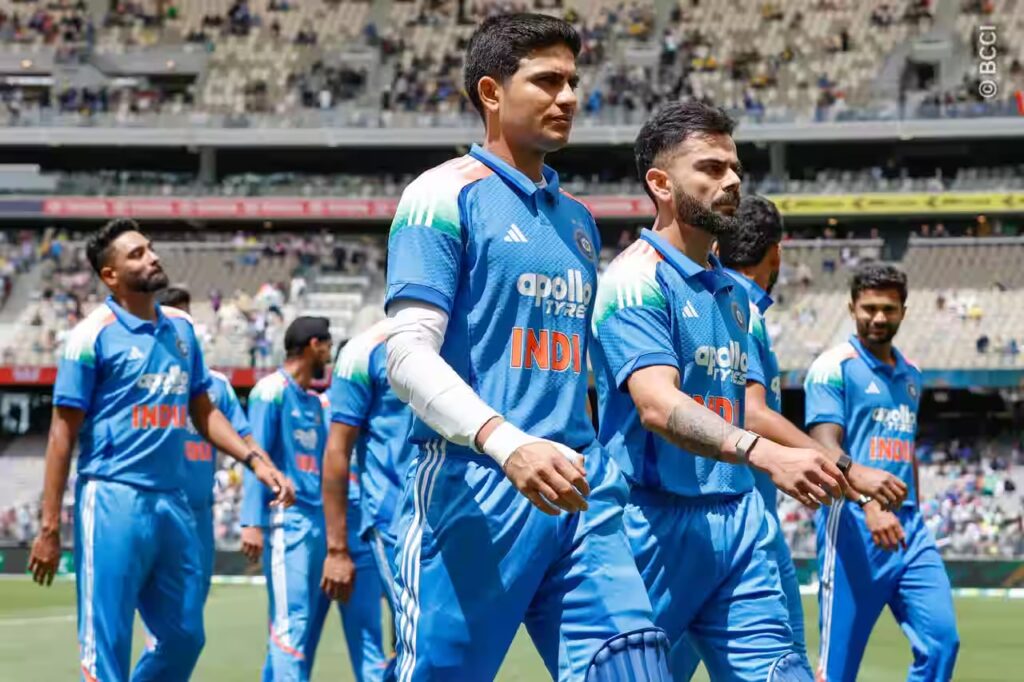
As fans, we tend to celebrate players, appreciate athletes, hype up them to the point of even worshipping them whenever they do well. But the moment someone does not match our level of expectation – we start the trolls. One bad performance or one below par match and abuses are hurled at the players; so much so that, even their family members are not spared. Sometimes their personal lives become the topic of scrutiny and they are judged based on their looks, family and appearance, things which have absolutely nothing to do with their performance.
Unfortunately, in India, mental health is still a whispered topic and somewhat of a taboo. Yet, a lot of eminent athletes have been vocal about their mental health struggles and stressed on the importance of taking a break when required. They have tried to bring this sensitive topic to the forefront, to shatter stereotypes and give courage to the youth in the process.
Indian Cricketer, KL Rahul, very recently opened up about his own struggles and how he had to muster the strength to opt for therapy. On the latest production of Humans of Bombay, he stated, “Like every other Indian, we think that looking for help is a sign of weakness. It took me a lot to say that okay, I will take therapy. It has helped me tremendously. I suggest it to a lot of players in the dressing room as well.”
Jemimah Rodrigues is one more Indian cricketer, who spoke about her battle with anxiety, during the post-match presentation of a crucial World cup semifinal match and said, “I was going through a lot of anxiety at the start of the tournament. I used to call my mum and cry the entire time; my mom and dad supported me a lot.” She also spoke about receiving relentless support from her team mates, which reflected the necessity of having a close-knit support network, to be there for someone, through thick and thin.
Indian superstar, Virat Kohli as well mentioned back in the day that the pressure of his career and the constant noise had a negative impact on his mental wellbeing. “I personally have experienced times when even in a room full of people who love and support me, I felt alone, and I am sure that this is a feeling that a lot of people can relate to”, he had mentioned in a podcast. He had said that it is very important for athletes to rest and recover from the pressure of sport and reconnect with their core self.
Two striking examples would also definitely have to be the instances of Ishan Kishan and Glen Maxwell, both of whom decided to take a mental health break from sports as they were unable to continue at the time due to extreme mental fatigue. Kishan had explained that he was not feeling well internally, even if externally, things looked fine. Maxwell, on the other hand, said that being on the road for four to five years had mentally and physically ruined him while crediting his partner for first noticing the change in him and suggesting him to speak to someone.
Olympic gold medalist shooter and global icon, Abhinav Bindra also mentioned how important it is to strike that balance between personal and professional life in order to ensure mental wellbeing. He said in a youtube interview for Mind matters, “it’s ironic…my biggest mental crisis in life came when I actually succeeded, it created a very large void in my life, I was depressed and really lost.” He too reached out for professional help and went on a 10-day silent meditation retreat to rediscover his purpose.
India, being a densely populated country, is immensely emotionally attached to athletes and sports in general and on some level, it is natural to have expectations and feel disheartened when they are not met. However, does one ever stop to think or talk about the concept of Mental Health in Indian sports? Behind every athlete that you cheer for or criticise, is a pressure you do not see – selection uncertainty, fear of failure, public opinion, and the pressure of millions of eye balls on them 24×7, and while it is a part and parcel of the recognition, our favorite celebrities and athletes are all humans of flesh and blood. They feel pain, they feel anxious and they too have their moments of feeling low, which they are expected to not show, because they are supposed to be mentally tough. Conversations around mental health are essential because strength does not mean suffering in silence – the mind needs just as much care as the body. And lastly, as viewers of the game, it is okay to criticise but it is also important to show compassion to those who live under the relentless spotlight.
Follow Revsportz for latest sports news