
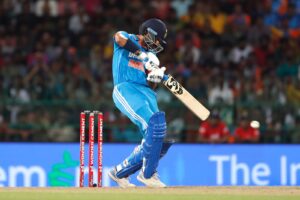





India’s fielding unit has long been a point of discussion, especially as major tournaments loom. In the lead-up to the ICC T20 World Cup 2026, co-hosted by India and Sri Lanka, one of the primary concerns for the Men in Blue has been their standards in the field. Over the past year or so, lapses such as dropped catches and sluggish ground fielding have surfaced repeatedly, raising questions about reliability under pressure. Recent performances, however, signal a positive shift.
While the preceding ODI series against New Zealand saw some missed opportunities that fuelled concerns, the ongoing five-match T20I series against the same opponents has showcased a marked improvement. The players appear to have injected greater intensity, sharpness and commitment into their efforts on the ground, demonstrating that they are peaking at the ideal moment ahead of the global showpiece.
Fielding remains a critical, non-negotiable aspect of T20 cricket, where every run saved or chance taken can swing momentum. In hindsight, sharper efforts might have altered outcomes in high-stakes scenarios, such as India’s Test series in England in 2025, where missed opportunities proved costly. After what many described as a subpar year for Indian fielding in 2025, the current squad has responded by raising its game significantly. In England, India dropped 23 catches during the Test series. In the Asia Cup that followed, 12 chances went down.
A major positive has been the inclusion and impact of Rinku Singh. His dynamic presence has added a spark, bringing infectious enthusiasm that motivates the entire unit. In Visakhapatnam during one of the T20Is, Rinku took four catches and saved a few boundaries. His reliability in the field has made one thing clear: when the ball enters his zone, it is almost certain to be claimed, instilling confidence across the team.
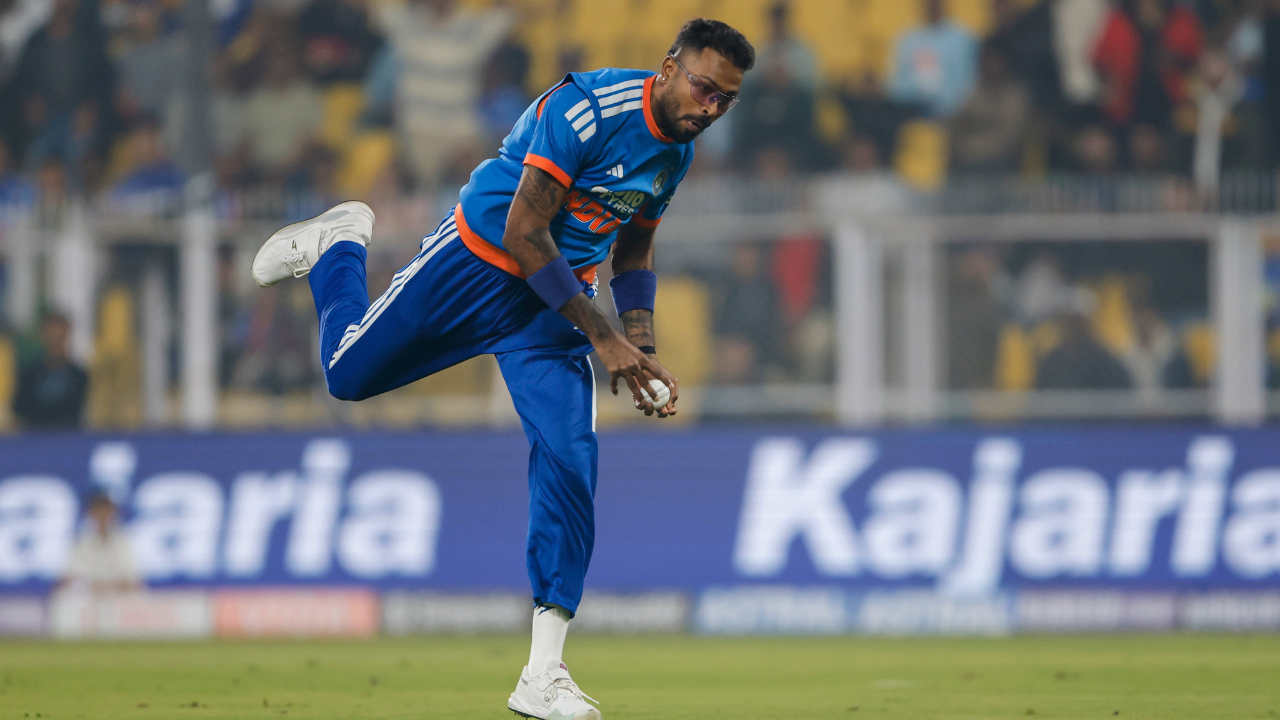
Standout moments have continued to build momentum. In the third T20I at Guwahati, Hardik Pandya produced a spectacular diving catch at mid-off to dismiss New Zealand’s Devon Conway in the opening over, immediately setting a high standard. This inspired those around him, leading to aggressive dives, athletic stops and proactive play to prevent boundaries.
Ishan Kishan has also shone since returning to the side, displaying flawless positioning and execution. In Guwahati alone, he grabbed two sharp catches and effected a run-out, underlining his all-round athleticism.
Even players not typically renowned for their fielding prowess, such as Kuldeep Yadav, Abhishek Sharma and Harshit Rana, delivered outstanding efforts, cutting off runs and turning potential scoring opportunities into dot balls.
Such displays are precisely what India will require — and ideally exceed — in the T20 World Cup. With the batting and bowling departments clicking under captain Suryakumar Yadav and head coach Gautam Gambhir, evidenced by an unbeaten run in bilateral T20I series, the team understands that any complacency in the field could prove disastrous, particularly during high-pressure knockout stages.
Fielding coach T Dilip has faced scrutiny in the past, including during events such as the Asia Cup in Dubai, where the ‘Ring of Fire’ was cited as a factor in some dropped chances. He has consistently organised rigorous drills in training to sharpen skills, but the real test comes in matches — and the players are now delivering when it matters most.
To achieve a historic feat — becoming the first team to defend the T20 World Cup title while also winning it as hosts — India cannot rely solely on their potent batting and bowling. Perfection in the field, stopping every possible run and pouching every catch, will be essential. As the tournament favourites, flawless execution across all departments, including athleticism in the field, could render them virtually unstoppable.
Also Read: IND vs NZ: “No footwork at all” – Sunil Gavaskar slams Sanju Samson’s dismissal in Vizag