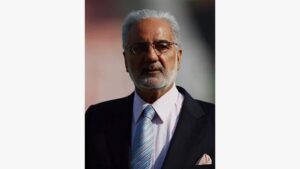







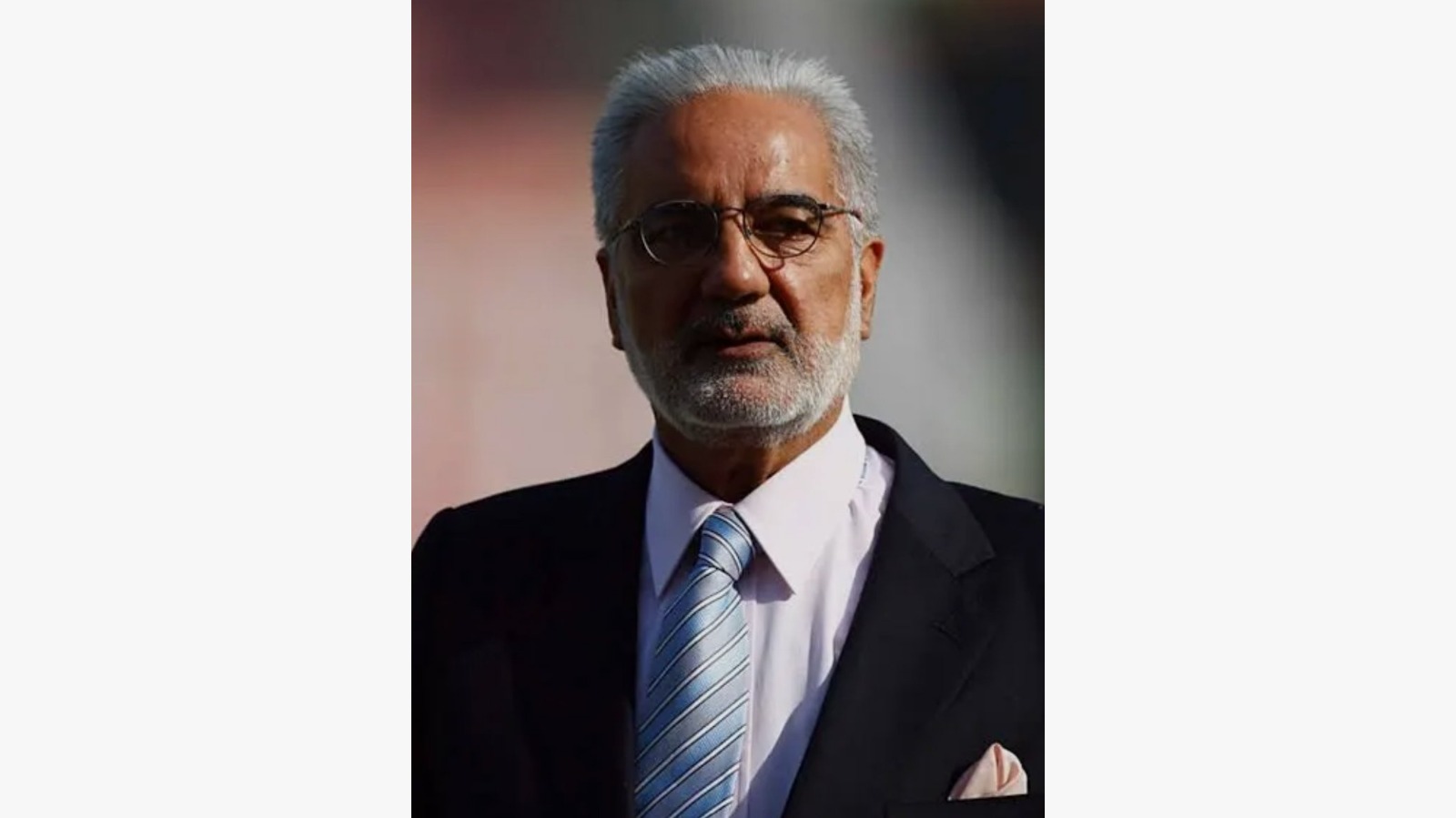
He was in the thick of things during his days in the Board of Control for Cricket in India (BCCI). He worked with illustrious figures and saw them from close, playing pivotal roles in landmark developments. He, too, was part of controversies and fell out of favour of the people he worked with. He was in no way above the politics of sports officialdom.
Yet, Inderjit Singh Bindra was not your typical Indian cricket administrator. In a milieu where a majority of the top figures are from political or business backgrounds, being an IAS officer made him the odd man out. Suave, polished, eloquent, articulate and witty, to a stranger he appeared a misfit in the world he was intricately linked with.
Unlike some of his peers and some from the next generation, he didn’t get into cricket administration following family links. Despite that, he was adept at the game beyond the boundary, where conventions of fair play can be different from those on the cricket field. A dynamic person unafraid to take risks, according to people who saw him function, his knowledge of bureaucratic nitty-gritties made him indispensable at a time the BCCI was plotting groundbreaking steps that would eventually redirect world cricket.
The man who died at the age of 82 on January 25 is known widely for his role in two milestones. The first was to bring the World Cup out of England and stage it in India and Pakistan in 1987. The second was the court case against Doordarshan in the early 1990s, which led to watershed TV deals with private players. Bindra was a core member of the closed group which saw the potential of cricket in India and the subcontinent. The seeds of the robust financial footing the BCCI finds itself in, or even the ICC is, were sown by them. He was one of the visionaries who reshaped the commerce of cricket.

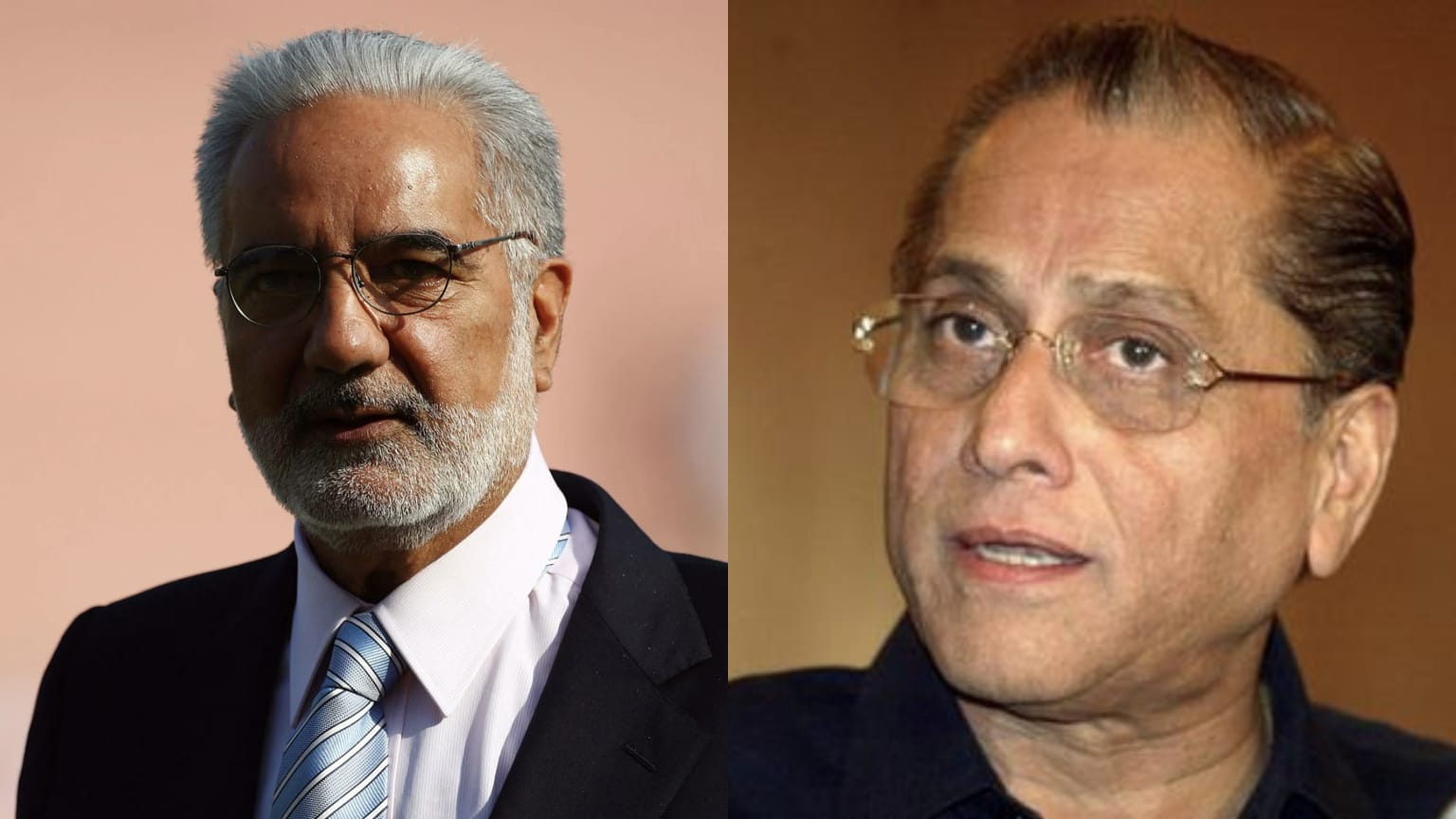
Jagmohan Dalmiya was perhaps the chief tactician. As his closest ally and partner through thick and thin, the person to have worked as the Special Secretary to the President of India in the turbulent mid-eighties brought into play his understanding of the system and provided invaluable input. His communication skills and ability to make a strong presentation were instrumental in convincing a host of authorities on way to achieving ambitious and daring goals.
Bindra also experienced the flip side of the BCCI’s internal wrangling and ego wrestling. He and Dalmiya turned bitter enemies. The former was the board supremo and got Bindra suspended. When the tide turned against Dalmiya, the man from Punjab became one of the faces of the brigade led by Sharad Pawar which defeated the Bengal heavyweight’s candidate and ousted him from the board. The two didn’t quarrel in public at least after Dalmiya came back as BCCI president. Later, things turned sour between BCCI and the Punjab Cricket Association.
Bindra saw the ‘power struggle’ from both sides and in different capacities. He served as the ICC’s Principal Advisor other than being the BCCI president. This shaped a unique perspective and Bindra’s observation of Dalmiya after his demise in 2015 was different from others’. Explaining what distinguished the late ICC president, he wrote on a website that Dalmiya was into it, all the time. He preferred making enemies to losing. If need be, he avoided pleasantries with people opposing him.
Bindra was not adversely commenting on the departed soul. He was trying to decode an extraordinary character and describing what he understood. Those were the words of a learned man, who had the ability to study, interpret and express in a pleasant manner. Cricket administrators in India are rarely spotless. It’s the system’s demand and not human shortcoming. Gentlemanly, classy, welcoming and ready to offer a drink on occasions, IS Bindra was a part of this system, but not governed by all its rules.
For More Exciting Articles: Follow RevSportz