






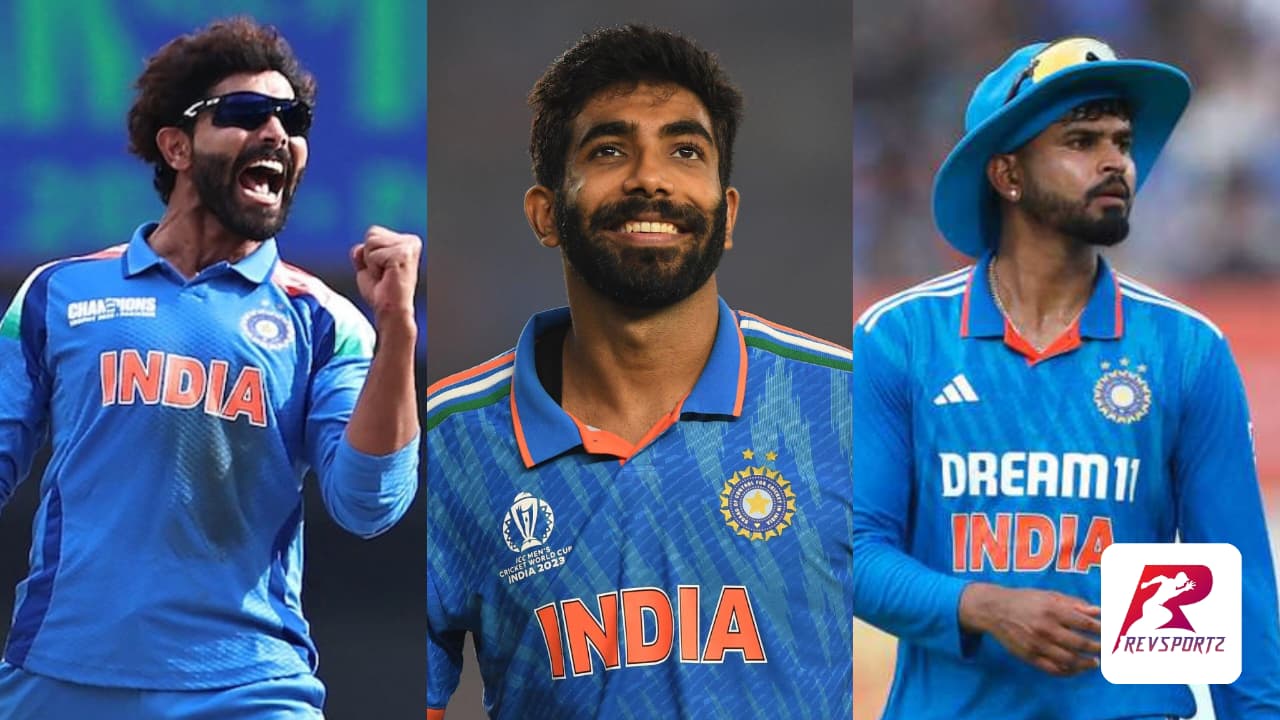


(Jadeja, Bumrah, Iyer, PC-X)
Indian cricket has enjoyed many blessed coincidences — the prodigious 1983 generation, the once-in-a-lifetime Sachin-Dravid-Ganguly-Laxman core, the rise of fearless IPL-honed match-winners. But December 6 offers the most symbolic of alignments. Ravindra Jadeja, Jasprit Bumrah and Shreyas Iyer — three very different cricketers in style, role and public perception — were born on this day. Together, they represent the enduring transformation of Indian cricket over the last decade.
On the face of it, they are three distinct personalities. Ravindra Jadeja is Indian cricket’s Ben Stokes-meets-Jonty Rhodes hybrid — the heartbeat all-rounder who flips matches with bat, ball or brilliance in the field. Like Stokes, he changes finals and fortunes with audacity; like Rhodes, he raises the team’s energy ceiling every time he walks out. His influence is measured not just in numbers but in moments, the kind that stay stitched into team folklore.
Bumrah mirrors the aura of a Mitchell Starc–Dale Steyn crossover — Starc’s white-ball ruthlessness fused with Steyn’s red-ball artistry and intimidation. Every spell feels like a cinematic event. Like the greatest fast bowlers in world sport — think Serena’s serve or Federer’s forehand — Bumrah has a weapon so unique that opponents prepare specifically for him, not merely India’s attack.
Shreyas, stylistically, resembles the new-age NBA scorer: direct, aggressive, designed for pressure plays. His career arc is still rising, but his swagger signals a player built for big-ticket arenas, not the quiet corners of the game.
All three share a couple of common threads. The modern game demands versatility — not bits-and-pieces utility, but genuine multi-discipline match influence. Jadeja is perhaps India’s greatest 3D cricketer since Kapil Dev: a top-six batter in Tests, a strike spinner at home and abroad, and a fielding highlight reel by default. Bumrah has redefined India’s fast-bowling identity — a death-overs genius in white-ball cricket and a reverse-swing, seam-movement menace in the longest format. Shreyas, the new-age No. 4 archetype, thrives as a pace-handling aggressor who can shift gears from anchoring to destruction at will.
Their careers showcase India’s system stepping out of its traditional mould. The IPL discovered — or accelerated — all three, giving Jadeja a second life after a bumpy start, turning a unique-action seamer like Bumrah into a phenomenon, and fast-tracking Shreyas into leadership material. India’s fitness-culture shift is embodied by this trio — Jadeja’s athleticism is the standard, Bumrah’s rehab-driven rebirth shows science in action, and Shreyas’s comeback post-surgery highlights mental fortitude. They are proof that Indian cricket no longer waits for talent to ripen.
Pressure defines careers; these three have embraced it. Jadeja rose from meme-culture mockery to become India’s most complete all-conditions match-winner — from the Oval heroics to CSK finals dominance. Bumrah has repeatedly returned from setbacks stronger — a World Cup exclamation point whenever he enters. Shreyas has known scrutiny and selection whiplash, yet continues to punch back with clutch knocks in ICC tournaments and key chases.
Jadeja represents India’s reinvented spin-all-rounder legacy. Bumrah is the global symbol of India’s fast-bowling revolution. Iyer is the embodiment of India’s batting future — aggressive, adaptable, unfazed. Together, they mark a generation that refuses to be typecast, a generation that wins by offering more.
So on December 6, India doesn’t just celebrate three birthdays. It celebrates three reasons the world takes Indian cricket very, very seriously.


Follow Revsportz for latest sports news