


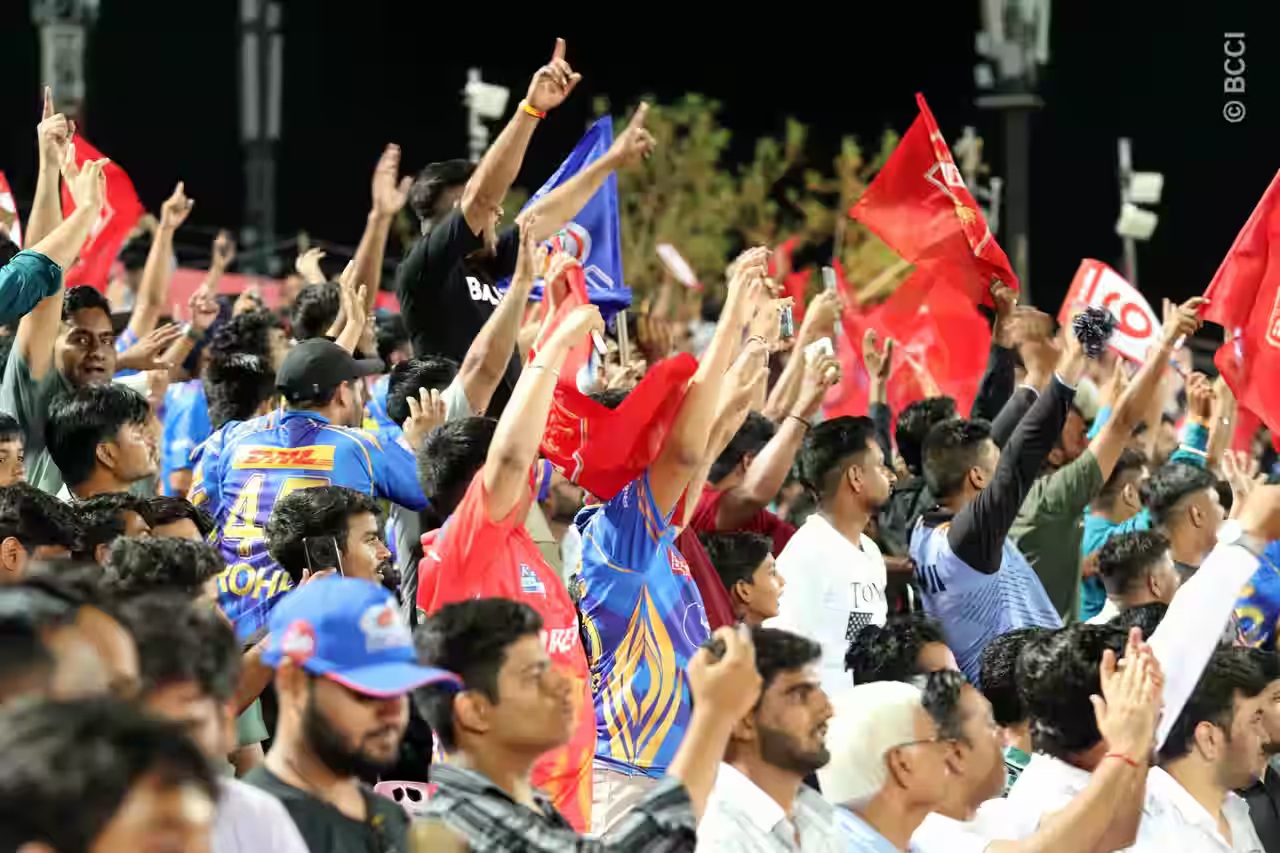

For all the talk around television ratings, digital reach and monetisation models, the Indian Premier League’s greatest achievement may lie elsewhere. Over nearly two decades, the IPL has quietly decoded the Indian sports fan – not as a passive viewer, but as an emotionally invested participant whose loyalty, habits and motivations follow a far more nuanced logic than wins and losses alone.
The first myth the IPL shattered is that Indian fans are fickle. Data shows that fans demonstrate deep loyalty to their home teams, often watching three times more when their city franchise is involved compared to neutral matches. Crucially, this loyalty is not directly linked to winning. Chennai Super Kings fans, for instance, continued to watch in large numbers even during losses, spending almost the same – and in some cases more – time with the broadcast when the team lost than when they won.
Fandom in the IPL is identity-driven, not result-driven. The jersey, the city, the colours – these matter as much as the points table. Occasional failure is forgiven. What isn’t forgiven is being consistently let down. When teams underperform season after season, fan engagement erodes sharply, as seen in markets where franchises struggled to remain competitive over time.
Loyalty, in other words, has patience – but not infinite patience. Importantly, “let down” is not synonymous with “losing matches”. It is about the perception of effort, identity, and emotional reciprocity. RCB, despite their lack of silverware, have rarely been perceived as indifferent or invisible.
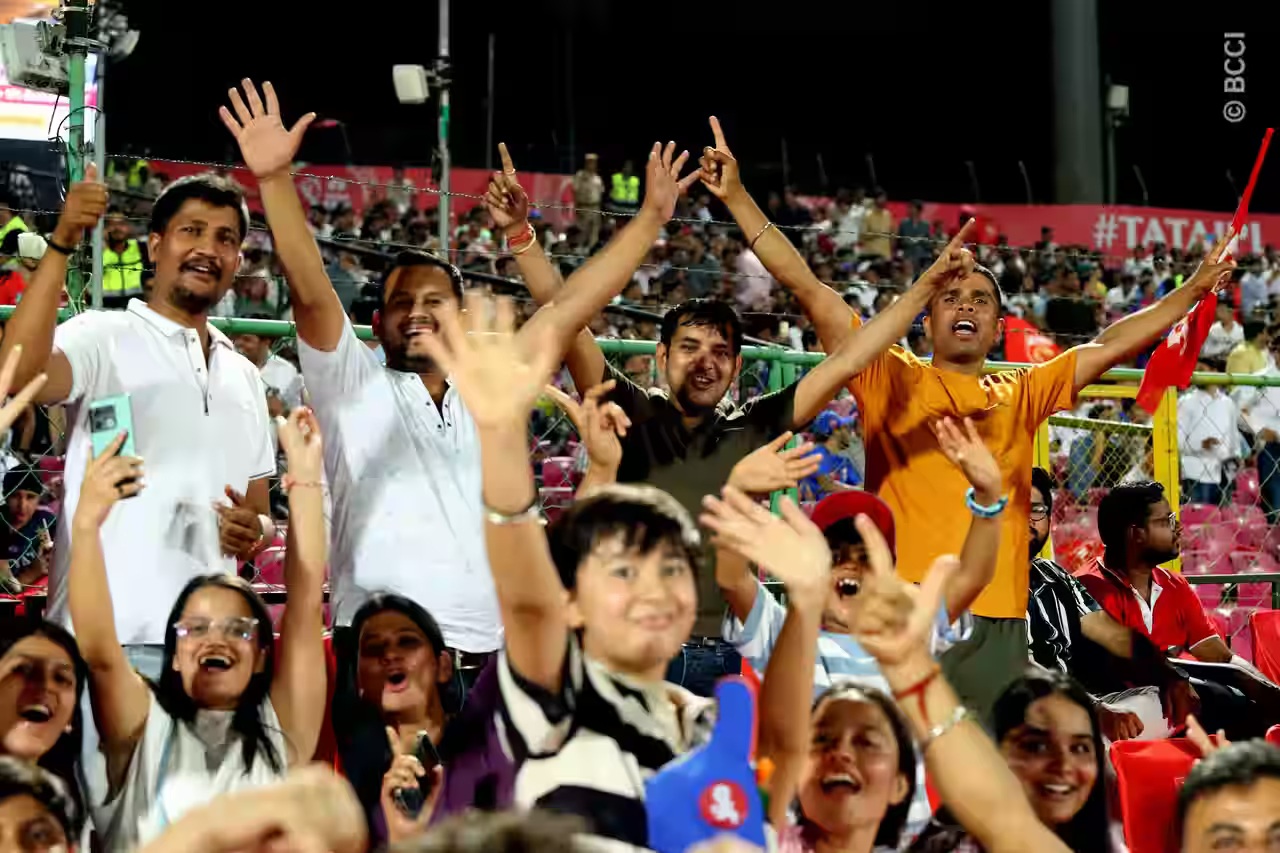
Fan engagement spikes dramatically when matches are framed as meaningful – whether through tournament context, rivalry or consequence. High-stakes matches consistently deliver higher reach and longer viewing time than so-called dead rubbers, even when the teams involved are the same. The IPL understands this intuitively. It builds narratives – playoff races, derby clashes, revenge games – that convert routine fixtures into events.
But teams alone do not carry fandom. Players do. The IPL fan follows heroes, sometimes even more than franchises. When marquee players perform, viewership jumps by over 20 percent; when they do so in high-pressure situations, the lift is even sharper. This explains why player retention, auction drama and star rivalries matter so much. Fans don’t just support teams; they follow stories – Dhoni versus time, Kohli versus expectation, Rohit versus the big moment.
Perhaps the most revealing insight is that fans don’t just want entertainment – they want to witness history. Landmark moments attract disproportionately higher engagement: farewell matches, record-breaking innings, defining milestones. The IPL has learnt to manufacture these moments – 100th matches, legacy nights, emotional returns – because fans value being present when something important happens.
What does affect consumption is ease of access. Regular viewers – those who watch sports week after week – are driven not by novelty but habit. When access becomes difficult or fragmented, irregular viewership rises sharply, making it harder to build sustained fandom. This is where the IPL’s predictability – fixed seasons, familiar time slots, consistent availability – plays a critical role.
Taken together, these insights explain why the IPL has succeeded where many other leagues struggle. It respects the intelligence of the fan. It understands that loyalty must be earned, stakes must be created, heroes must be elevated, and history must be framed. Most importantly, it recognises that fandom is not transactional – it is emotional, habitual and deeply personal.


Follow Revsportz for latest sports news