



Indian football’s central challenge is not lack of interest, talent, or aspiration. It is the absence of a coherent, long-term policy that converts episodic attention into sustained engagement. Consumer data shows that Indian audiences respond predictably to sport when four conditions are met: home identity, meaningful stakes, recognisable heroes, and ease of access.
Football in India currently satisfies these conditions only intermittently — most visibly during global events like the FIFA World Cup — leading to sharp spikes followed by long troughs in engagement .This policy paper proposes a football-first framework that aligns governance, competition design, media strategy and grassroots development around a single objective: building habitual football consumption in India.
- The Evidence Base: How Indian Fans Actually Behave
1.1 Loyalty Is Conditional, Not Fragile
Data across sports shows that fans remain loyal to home teams even through losses. Engagement drops only when teams consistently underperform or lose relevance over time. Occasional failure does not deter fandom. The policy implication is that Indian football does not need guaranteed success to build fans. It needs continuity of teams, players and narratives.
- Stakes Drive Engagement More Than Frequency
Viewership increases sharply when matches are “do-or-die” or when opponents are perceived as strong or when outcomes influence future qualification or legacy. Dead rubbers and low-stake fixtures see disproportionate drop-off, regardless of sport .
The Policy implication here is that football calendars must be designed around consequence, not volume.
1.3 Heroes Are the Primary Entry Point
Fans follow players before they follow teams. Performances by identifiable heroes increase viewership by over 20%, and by over 40% in high-stake situations. Rivalries between individuals amplify this effect. Player visibility, not league branding, must be the cornerstone of football growth is how the policy must be framed.
1.4 Ease of Access Is the Biggest Growth Lever
A large portion of irregular sports viewing is driven by affordability and access barriers, not lack of interest. When sports are easier to access, regular consumption rises materially. Football must prioritise reach before monetisation.
- Diagnosis: Why Indian Football Underperforms Structurally
Based on the data, Indian football suffers from five systemic gaps:
- Hero Deficit: No sustained national or regional football icons post-Baichung Bhutia.
- Low Narrative Stakes: Domestic matches lack visible consequences beyond the table.
- Fragmented Visibility: Inconsistent broadcast windows and language feeds.
- Geographic Under-leveraging: Strong football pockets are not treated as growth hubs.
- League-Centric Thinking: Overemphasis on competitions, underinvestment in fandom.
- Policy Pillars for Indian Football

Pillar 1: Build and Protect Local Heroes (Player-First Policy)
Recommendations
- Mandate minimum Indian starter minutes per match.
- Centralised storytelling units to track and promote players across seasons.
- National and regional hero-building campaigns tied to leagues and national duty.
The rationale is that without heroes, teams remain interchangeable and matches disposable .
Pillar 2: Manufacture Stakes Across the Calendar
Recommendations
- Introduce qualification consequences across domestic competitions.
- Create season-defining “windows” (derby weeks, rivalry rounds, relegation battles).
- Tie domestic performance to national team pathways visibly and publicly.
Stakes — not formats — create emotional investment is the rationale here.
Pillar 3: Geographic Concentration Before National Expansion
Recommendations
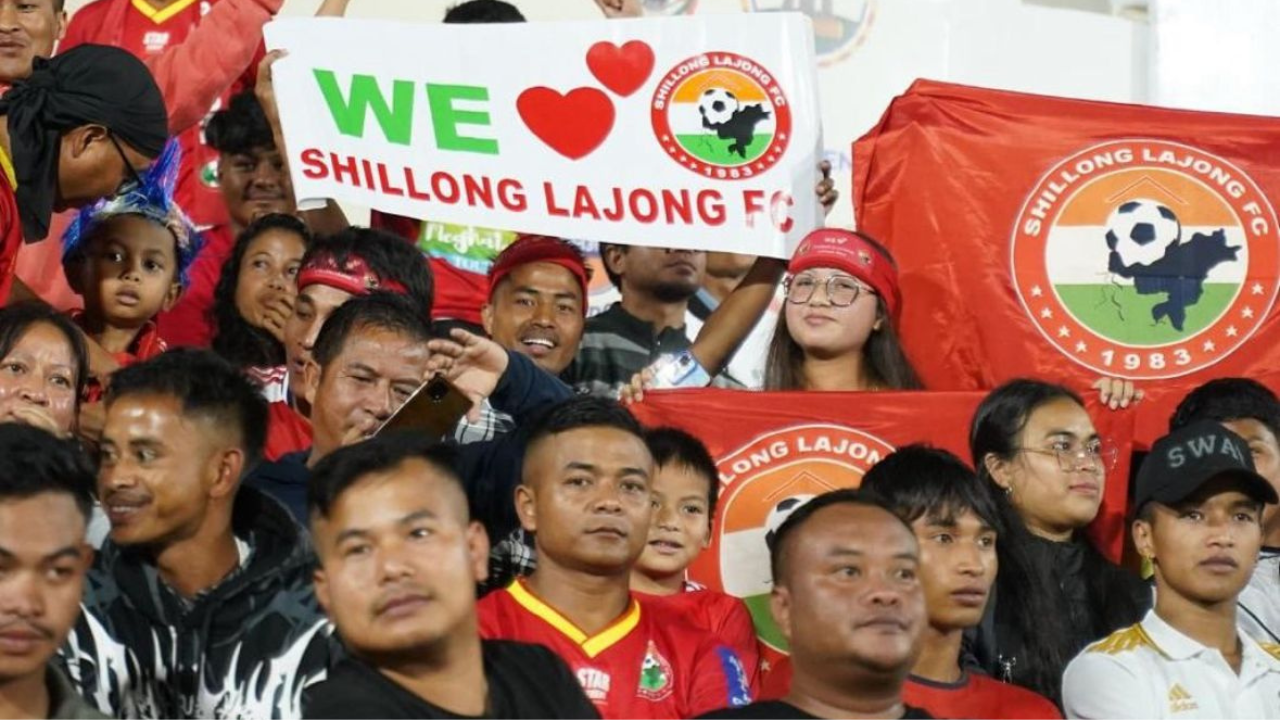
- Prioritise West Bengal, Kerala, Goa/Maharashtra, Delhi, Tamil Nadu and the North-East.
- Regional language feeds and local marketing in these markets first.
- Treat strong football states as anchors, not anomalies
80% of football engagement comes from concentrated pockets.
Pillar 4: Access-Led Media Policy
Recommendations
- Strategic free-to-air windows for sampling.
- Multi-platform availability with predictable scheduling.
- Regional commentary as default, not add-on.
Ease of access directly correlates with regular viewing behaviour .
Pillar 5: Storytelling Over Innovation
Recommendations
- Invest in commentators, analysts and presenters who can contextualise football.
- Prioritise narrative arcs over tactical jargon.
- Build rivalry-led editorial calendars.
Rationale being that analytics alone do not retain audiences; storytelling does .
- Governance and Structural Reforms
- From League Management to Ecosystem Stewardship
AIFF’s role must evolve from sanctioning tournaments to orchestrating fandom across schools, cities, media, clubs and national teams.
- Metrics That Matter
Shift focus from TVRs per match to minutes watched per fan per week, repeat viewership across seasons and player recognition and recall.
- Implementation Roadmap (5 Years)
Year 1-2: Hero identification, access expansion, regional focus.
Year 3-4: Rivalry amplification, stake creation, national narrative integration.
Year 5: Export Indian football stories internationally; monetisation scale-up.
Conclusion
Indian football does not need reinvention. It needs alignment.The audience exists. The aspiration exists. The global reference points exist. What is missing is a policy framework that treats football not as a tournament business, but as a long-term cultural habit. Do this consistently, and football will stop borrowing passion from World Cups…And start generating its own.
Also Read: Vivekananda and Physical Literacy