




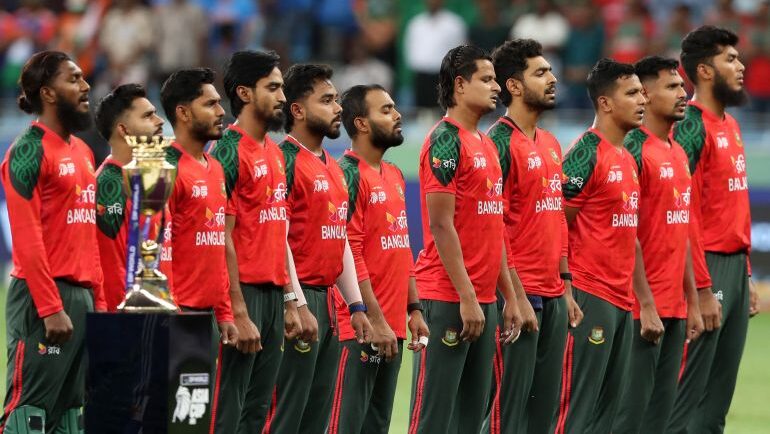
As the dust settles on the Bangladesh-T20 World Cup fiasco, one has to say the entire episode was unnecessary. Bangladesh overreacted to the Mustafizur Rahman situation, were successfully provoked by Pakistan into doing so, and tried to play to the local political constituency by showing how tough they could be and attempting to teach India a lesson. In all this, they forgot a basic democratic principle: the majority always wins, and you need to be smart when you don’t have the numbers in the boardroom. Bangladesh were outvoted and outdone, outthought and outplayed. Now, they do not have a leg to stand on, and their cricket is in complete disarray, with the possibility of losing several hundred crores in the process.
The sports adviser, with due respect, did more harm than good to his own cause with his pronouncements. He proudly declared that it was the government taking all these calls. In international sport, the sanctity of national federations is non-negotiable, and there are multiple instances of nations being banned for violating this rule. Indian football faced FIFA’s wrath in 2022, the IOA was banned by the IOC in 2012, and Sri Lanka Cricket was banned by the ICC, citing government interference. Politicians, in their excitement to woo the local electorate, often forget the norms governing international sport and end up making elementary mistakes.
I have spoken to a few former players and a host of Bangladeshi journalists, and every one of them is frustrated and upset. “I am devastated,” said one. “Our cricket has been dealt a death blow. I don’t think I should speak, for there could be a serious backlash if I do so.”
Everyone is scared in Bangladesh. Scared of what could happen if they speak out against the political establishment. Scared of the consequences of voicing their opinion. Players do not have the freedom to say they wanted to come. Journalists do not have the freedom to say the sport is being sacrificed. Fans cannot suggest that what is being done is an unfortunate case of political grandstanding.
Across the subcontinent, Mohsin Naqvi, all too predictably, has also been playing to the gallery. The Pakistan Cricket Board (PCB) chief has raised the possibility of his country boycotting the competition in apparent solidarity with Bangladesh, forgetting that the ICC had drawn up an itinerary that would see them play all their games in Sri Lanka, not in India. What possible reason Pakistan could have for a withdrawal is something only Naqvi’s Machiavellian brain could come up with.
Bangladesh does have a dedicated fan base, and what has happened cannot be good for the sport. No one should be happy with the outcome, as it is not a satisfactory result for anyone. The ICC could not have been happy about forcing the hand of a member board, but with the BCB echoing the political narrative of the land, the ICC was left with no choice. Had they agreed with the BCB’s demand and moved the matches to Sri Lanka, it would have opened a Pandora’s box for the future. Sri Lanka, too, did not want Bangladesh to play there, nor did the Irish agree to the swap. Had they done so, the BCB would have secured four votes instead of two.
As the focus now shifts to the World Cup, just days away, Bangladesh will be left mourning a lost opportunity. For whatever reason, they were unable to see the writing on the wall or smell the coffee. Bluster and bravado led to nothing, and this could soon turn into an existential crisis for the sport in Bangladesh.
Follow Revsportz for latest sports news