


Sport has always been measured, but never quite like this. For most of sporting history, performance was interpreted through the naked eye and trained instinct. Coaches trusted experience and players trusted feel. The body spoke in fatigue and rhythm. Today, the body speaks in numbers.
Wearables have quietly become the most powerful, and least visible disruptor in modern sport. They haven’t changed the rules of the game, but they have fundamentally altered how sport is trained, played and understood. The earliest tools of performance measurement were blunt instruments: lap times, stopwatches, heart-rate checks taken before and after sessions. Wearables moved measurement from the outside in.
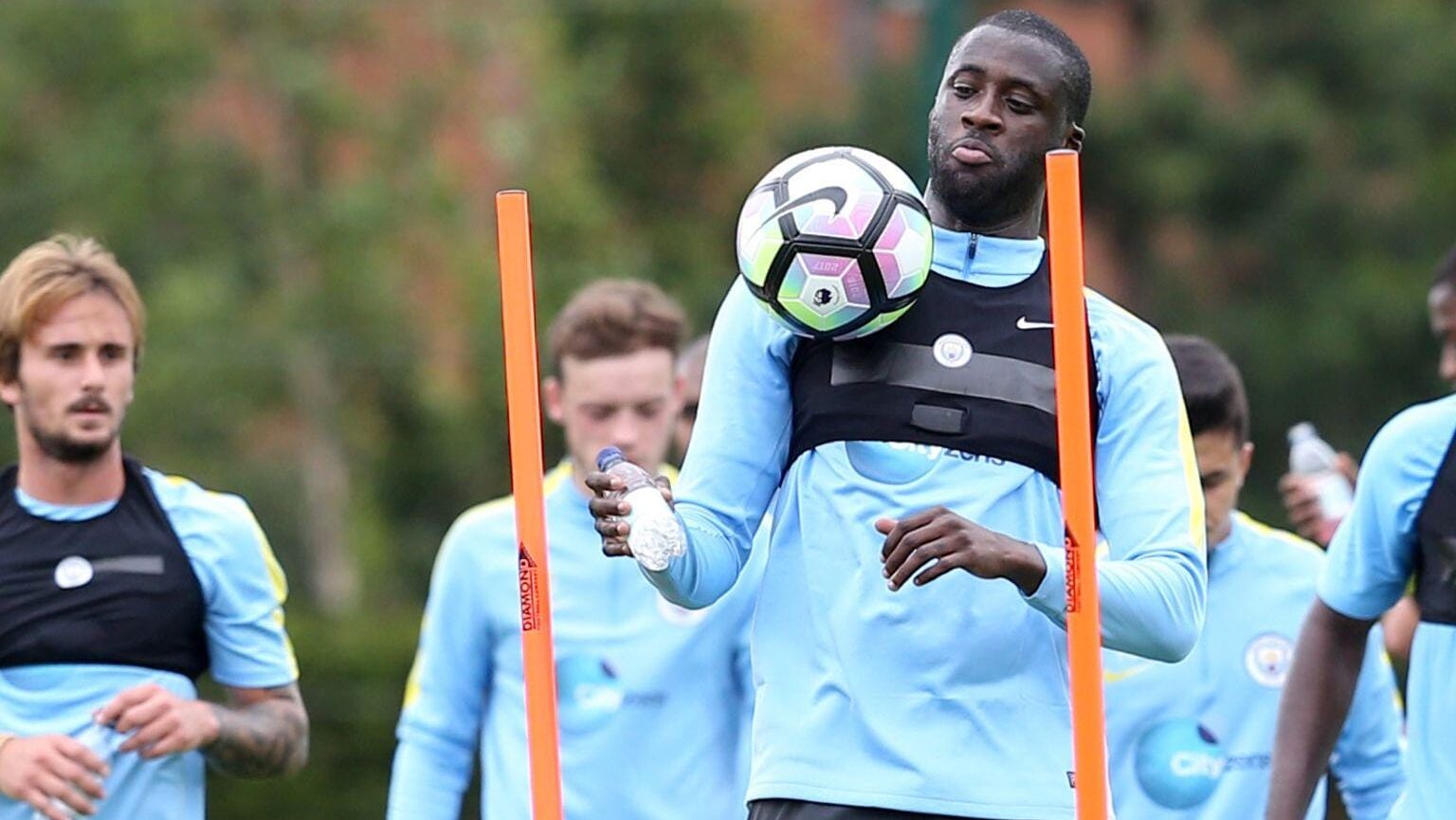
GPS vests track distance covered, acceleration patterns and positional load. Platforms like Garmin, long trusted by endurance athletes, brought satellite-based accuracy and pacing intelligence into daily training. Recovery-focused systems such as WHOOP reframed performance not around output, but around readiness – measuring strain, sleep quality and heart-rate variability as indicators of when not to push. Meanwhile, the Apple Watch mainstreamed sophisticated health metrics and sleep tracking onto millions of wrists.
Wearables were initially sold as injury-prevention tools. That was only the entry point. The real value lies in performance optimisation – the search for micro-gains. Systems like WHOOP don’t tell athletes how hard they worked yesterday; they tell them how ready they are today. Garmin devices help runners understand pacing drift, ground contact time and aerobic efficiency. Apple Watch closes the loop by integrating lifestyle behaviour – movement, standing time, sleep and stress – into a single health narrative.
“I always thought fitness meant covering the most distance,” says a friend. “The data showed my value was actually in short accelerations and recoveries.” GPS metrics revealed that his impact peaked in sharp bursts rather than long sprints. His training was redesigned accordingly. “We stopped chasing universal benchmarks,” his coach says. “We trained him for his role.” The result was less fatigue, more consistency, and something harder to quantify – confidence.
Wearables have collapsed the distance between high-performance sport and everyday fitness. What once required labs and specialists now sits on consumer platforms. A teenager wearing an Apple Watch has access to recovery trends. A recreational runner using Garmin can understand aerobic thresholds. A corporate professional wearing WHOOP learns that work stress impacts training as much as mileage.
Every training session now generates millions of data points. Interpreting them has become a specialised skill. Sports science departments have expanded. Analysts sit alongside physios. Dashboards synthesise GPS load, heart-rate variability and sleep metrics into actionable insights.
Wearables have subtly shifted power dynamics. Athletes increasingly arrive informed – armed with their own Garmin files, WHOOP recovery scores or Apple Health summaries.
This raises uncomfortable but necessary questions. Who owns the data? Can recovery metrics influence selection or contracts? Should a coach override an athlete’s readiness score …or trust it?
Wearable data is now seeping into broadcasts and fan engagement. Distance covered, top speed and fatigue curves – long tracked internally – are entering public storytelling.
Used responsibly, this deepens empathy. Fans don’t just see effort; they understand it. When a player fades late in a match, the data explains why. When an athlete produces a final sprint, the physiological cost becomes visible.
Continuous monitoring risks turning athletes into assets rather than humans. The obsession with optimisation can erode instinct, joy and creativity. Numbers are powerful .. but incomplete. The greatest performances in history were not born from dashboards alone. They came from courage, imagination and defiance – qualities no wearable can fully capture