





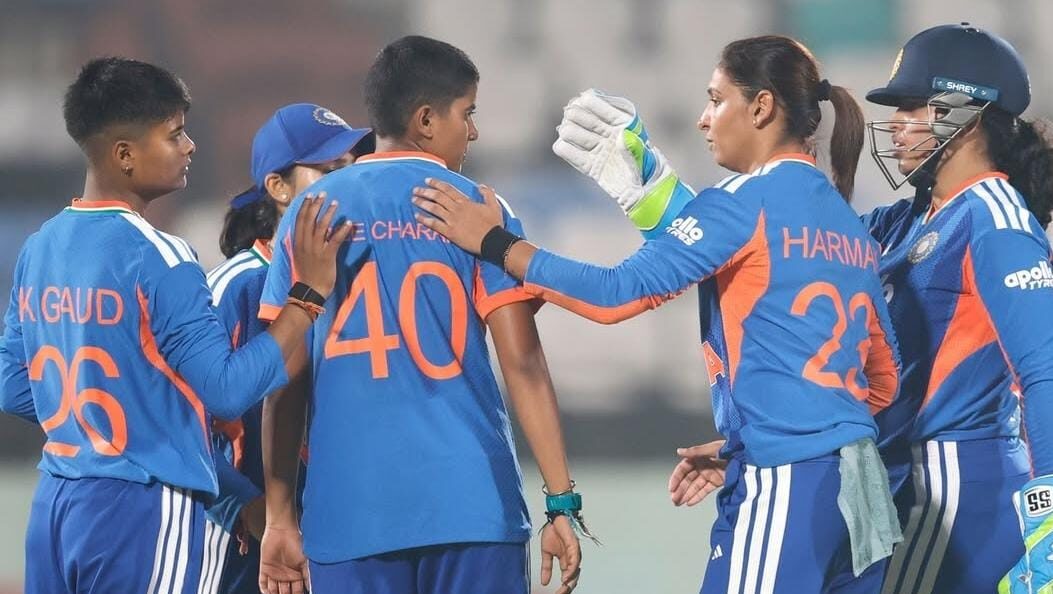
First the World Cup that India won and then the first two T20I matches between India and Sri Lanka — they were not merely about sporting victories. They probably showcased a more profound social shift in Indian society, especially with regard to women’s leadership, visibility and confidence in the public domain. India’s winning results in these games represented the growing recognition of women as competent professionals, challenging long-existing gender disparities in both sport and society.
For the longest time in India, cricket was mainly associated with men. When people were asked about their favourite cricketers, it was the men who were frequently mentioned. Despite efforts and accomplishments from women cricketers, they remained by and large invisible. The exclusion was not due to lack of talent but due to limited opportunities, poor infrastructure, and social attitudes that treated women’s cricket as unimportant. Women cricketers of yesteryears, including Anjum Chopra, experienced the neglect first-hand.
During an women’s World Cup semi-final against Australia in Delhi years ago, basic arrangements were missing. Indian fielders had to run and adjust the sightscreen during play because there were barely any ground staff to do so. The disregard persisted off the field as well. There were instances of national team players being denied pavilion seats to watch games and being prevented from attending the presentation ceremony by security guards. Ttournaments used to be emotionally and physically exhausting due to poor scheduling, frequent travel delays, and missed practice sessions. These incidents demonstrated how women’s cricket was once viewed as insignificant.
During the 2025 Women’s ODI World Cup, the change was evident. The World Cup gained broad public attention and crowds showed up in huge numbers to support India on their home soil. Matches were heavily publicised, widely streamed, and backed by sponsorships and endorsements. Due to the promotion and appreciation of women’s cricket, a large number of people attended. Enthusiastic crowds were a sign of increasing interest and social acceptance. Players were getting the recognition that players like Jhulan Goswami, Diana Edulji, Mitali Raj fought for throughout their careers.
The first two T20 matches against Sri Lanka also highlighted how much Indian cricket has evolved as well. Indian women displayed calmness, aggression, and strategic understanding while chasing targets. Their confidence reflected improved support systems and changing attitudes towards women athletes. Women are no longer seen as outsiders in cricket but as rightful and worthy participants.
The BCCI’s recent decision to raise match fees in women’s domestic cricket further reflects this changing attitude. With comparable changes at the age-group level, senior women players now receive much higher daily match fees, making domestic cricket more attractive for young women. Following India’s victory in the ODI World Cup, this action strengthens the economic independence of women and acknowledges their labour and skill, supporting the larger process of empowerment in Indian cricket.
Today, women cricketers are not only athletes but also brands. Players such as Harmanpreet Kaur, Smriti Mandhana, and Jemimah Rodrigues are widely recognised, endorsed by major brands, and influential on social media. Their visibility represents economic empowerment, public recognition, and cultural acceptance. This branding was unimaginable in earlier periods when only men dominated cricketing fame. These cricketers are the source of inspiration and the reason why many young girls dream to don the national jersey.


For more updates, follow REVSPORTZ.