


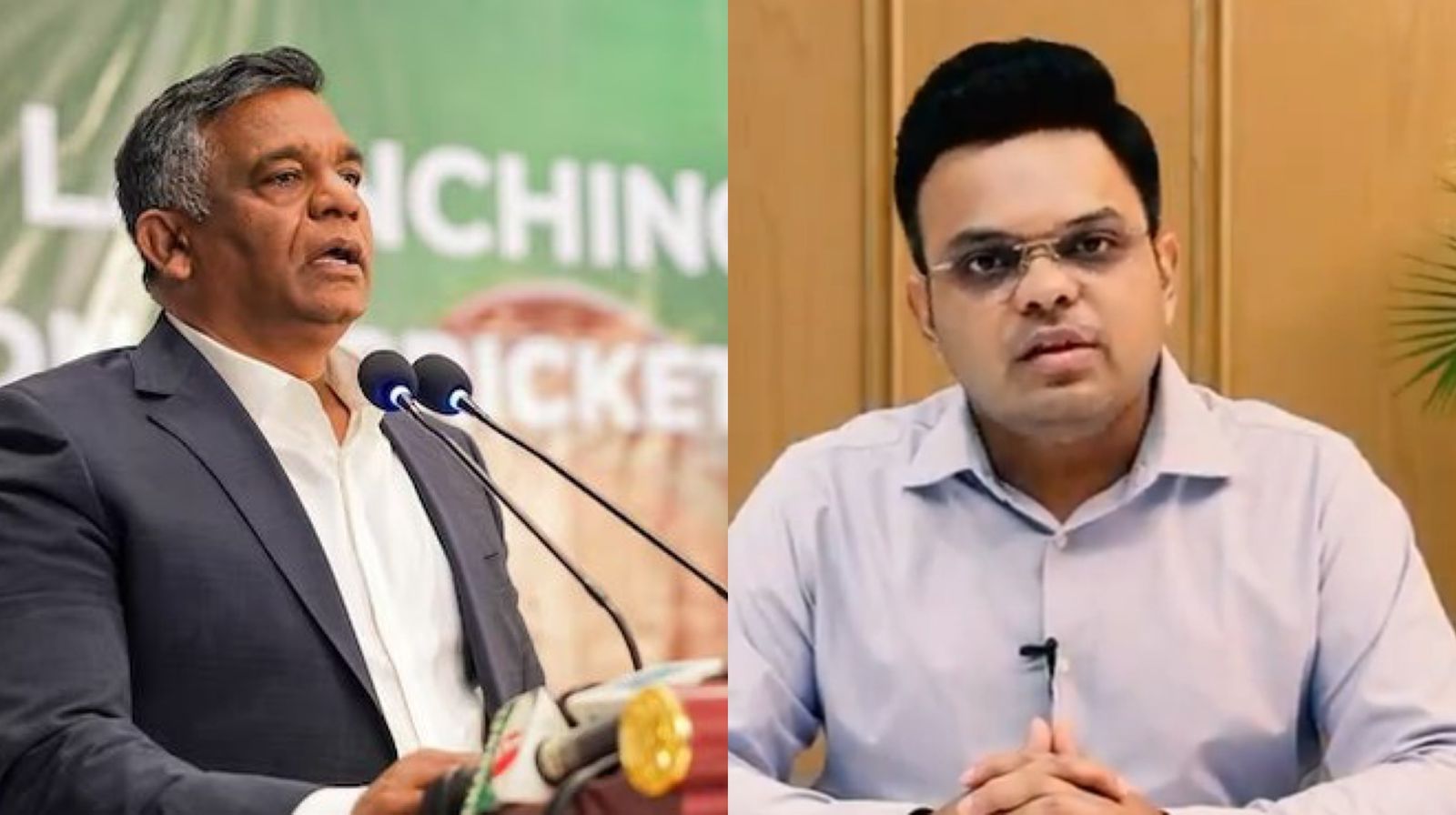
The ICC is doing all it can to try to resolve the Bangladesh crisis. That is how it should be. As the governing body for international cricket, the ICC must do everything possible to find a solution and move matters forward. Bangladesh is an important member board, and the fandom in the country is essential for global cricket. By doing what it is doing, the ICC has made it clear that it is giving the Bangladesh situation the importance it deserves.
Headed by Jay Shah, if the ICC had not done everything it possibly could, it would have been labelled India-centric. Many would have argued that it was only trying to placate the BCCI. That argument no longer holds. While the ICC is not expected to move from its stance, it cannot be accused of not trying to find a solution. That is what diplomacy is all about, and how governing bodies function.
Do I see a solution emerging? I don’t. The BCB has already taken a hardline approach, under the advice of the political powers currently ruling Bangladesh. While we know there are divisions within the BCB, it is also understood that taking on the government is not really an option. From its stated position of not travelling to India, anything to the contrary would be considered a climbdown. The BCB or the government cannot afford that. It would go against the projected hardline approach aimed at wooing the electorate, and with elections round the corner, it does not seem feasible.
And yet, the ICC is trying. It has to, and it should. The ICC is the arbiter of global cricket, and its job is to ensure that member boards are given the importance they deserve. Life is full of compromises, and the ICC is trying to find a middle path. If, after all the effort, things remain unchanged, the ICC may proceed to ask Bangladesh to forfeit points, impose a penalty, and deduct its portion of revenue.
However, to reach that endpoint, the ICC has to take the BCB along every step of the way so that there are no allegations of discrimination. Matters remained unresolved after the ICC visit on Saturday, and cricket’s apex body may now have no option but to move on. From an optics and sports diplomacy perspective, sending a team to Bangladesh was necessary.
The BCB suggestion that they swap groups with Ireland is frankly preposterous and Cricket Ireland promptly touched base with the ICC to ensure that no such thing would happen. Ireland’s passionate fan following would have booked their Sri Lankan trips weeks ago, and to expect them to be caught in the cross-fire is a non-starter.
Is there a face-saver in this? Can there be a solution for the BCB? Can it say it does not want to play in Kolkata or Mumbai, but would agree to play in Chennai or Kerala? Would that placate their own government? Can it demand a certain level of security for its players, and would that be acceptable? With the World Cup less than three weeks away, relocating matches to Sri Lanka does not seem plausible. So it is either a recalibration of the hardline stance adopted by Bangladesh, or a forfeiture of points and possible revenue loss for the BCB.
Either way, a decision should come soon, and whatever the outcome, chances are Bangladesh will be on the receiving end of it.
Follow Revsportz for latest sports news