







“Due to recent developments” is what the Board of Control for Cricket in India Secretary, Devajit Saikia, stated when the board asked IPL franchise Kolkata Knight Riders to release the sole Bangladeshi Player picked up in the mini-auction. A day later, Bangladesh Cricket Board (BCB) retaliated by saying that they would ban IPL’s streaming in the country and on January 4, BCB wrote to the Internal Cricket Council that the team would not travel to India owing to security concerns, after consulting with the government.
What followed was days of back and forth between the Bangladesh Cricket Board and the ICC, letters exchanged, emails sent and backchannel negotiations. With only weeks left to go for the T20 World Cup, scheduled to be held in India, ICC finally released a statement with details of why Bangladesh’s demand to shift their games to Sri Lanka wasn’t feasible.
“Over the past several weeks, the ICC has engaged with the BCB in sustained and constructive dialogue, with the clear objective of enabling Bangladesh’s participation in the tournament. There is no credible or verifiable threat to the safety or security of the Bangladesh team in India.”
“Despite these efforts, the BCB maintained its position, repeatedly linking its participation in the tournament to a single, isolated and unrelated development concerning one of its player’s involvement in a domestic league. This linkage has no bearing on the tournament’s security framework or the conditions governing participation in the ICC Men’s T20 World Cup.” read the statement

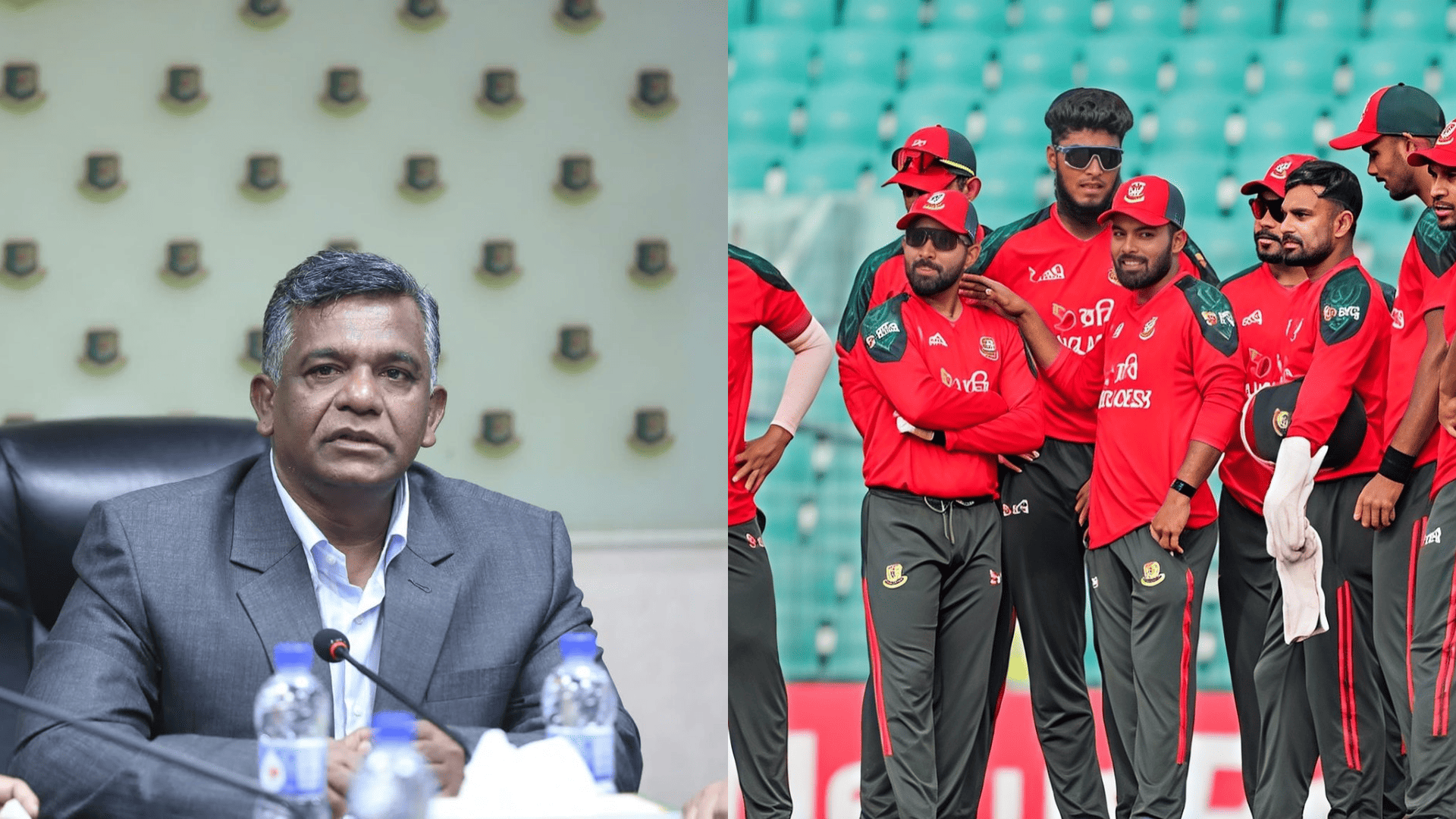
ICC also went on to mention in the above statement that if Bangladesh’s fixtures would have been shifted without any credible security threat, the international governing body would risk “undermining its neutrality, fairness, and integrity”.
In the global reportage of the impasse involving the ICC and the two countries, many believe that the power structure of World Cricket is heavily skewed in BCCI’s favour. That the ICC has “different rules for different boards” and comparing Bangladesh’s demands to that of India to not travel to Pakistan.
The caveat here is that geo-politics in the subcontinent is not black and white. If there is an expectation that sport, especially cricket, would remain independent of politics, it is satirical. India and Pakistan have engaged in multiple wars, and while there have been multiple attempts to reconcile the cricketing relations and subsequent diplomatic relations through sport, the relationship has remained overwhelmingly turbulent since 1947.
In 1987, General Zia-ul-Haq met Rajiv Gandhi in Jaipur during a Test match which in turn helped allay the tensions. In due course, the Gandhi siblings, Rahul and Priyanka, visited Karachi for the ODIs in 2004. In 1996, India and Pakistan had sent a combined team under the banner of a commercial sponsor “Wills XI” to Sri Lanka as an act of solidarity after some teams refused to play the 1996 World Cup in Sri Lanka following a bomb blast in Colombo.
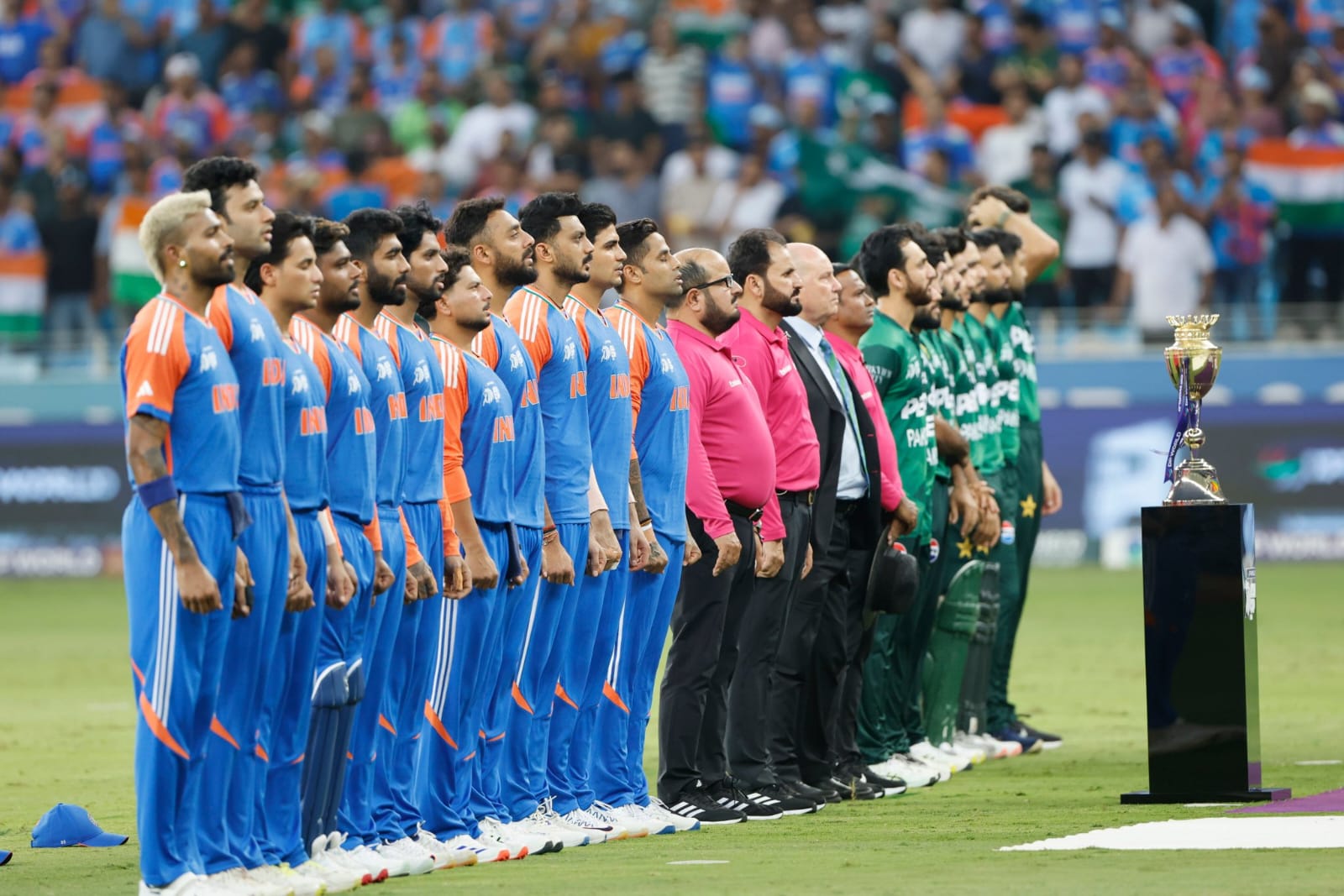
But things have changed since, cricket is, unquestionably, an arm of diplomacy for the two countries. Following the 26/11 terrorist attacks in India, relations have strained. The Indian Premier League banned Pakistani players from participating in the domestic league in 2009. India’s last appearance on neighbouring soil was in 2008 in the Asia Cup. With credible security threats in the country, the Indian government has refrained from sending its cricket team to Pakistan, and Pakistan has engaged with India on neutral venues as quid pro quo. India has maintained its stance of not travelling to Pakistan since 2008 and post the Pahalgam Terror Attack last year, tensions have only simmered.
To equate Bangladesh’s standoff with the ICC to India’s long-standing refusal to travel to Pakistan is to flatten history, geopolitics and turn political reality into false symmetry. India-Pakistan cricketing relations have been shaped by wars, cross-border violence and diplomatic breakdown; not by a singular dispute. Bangladesh’s objections of not sending their cricket team to India, have stemmed from a recent flashpoint rather than a decades-long pattern of hostility and violence.
ICC’s ecosystem has a structural imbalance with BCCI being its largest revenue generator, this is not a defence of the BCCI’s disproportionate power but power alone cannot determine geopolitical cricketing decisions. Treating every bilateral standoff as an identical risk undermines the fragile political terrain between India and Pakistan. In short, when it comes to India-Pakistan and India-Bangladesh relations, the contexts, history and calculations are fundamentally different. And in realpolitik, context is everything.