





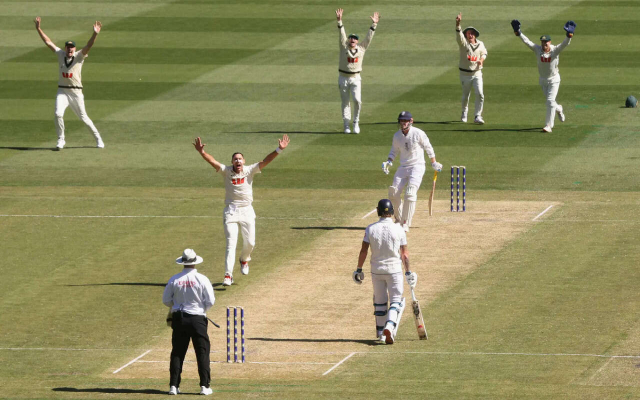
Ten millimetre – That is the amount of grass the curator left for the ongoing Boxing Day Test between Australia and England. Is that perhaps too much grass cover for a Test match? Just to give you an idea, for the corresponding MCG Test between Australia and India, in 2024, the grass cover was around 7 mm.
For starters, with 10 mm live grass, the leather ball is set to move off the seam considerably. No wonder, 20 wickets went down on day 1 of the Test. Of course, you can add a counter narrative that some of the shots tried by the players from both sides were poor. But when a bunch of batters can’t trust their defence, it is on expected lines that they would attempt big shots. One has to remember that there is no sure-shot method to negate late movement off the pitch. To make matters worse for the batters, this is also the wobble-seam era in Test cricket.
On day 2, there seems to be a little less movement off the seam, but the odd delivery is kicking up more off the surface from a length. Incidentally, Marnus Labuschagne took a blow or two on his fingers before being dismissed. Whatever it is, the wickets are still tumbling, with Australia losing 6 in just one session.
So, has this track offered too much assistance for the pacemen? The answer is most probably a ‘yes’. “Unless this flattens on days two, three, four – if we get there – that was too heavily weighed in the bowlers’ favour,” Alastair Cook, former England skipper, said to TNT Sports. “I think it was an unfair contest. Could both sides have battled slightly better? Yes, but I was watching some of that bowling and I don’t know how you face that.”

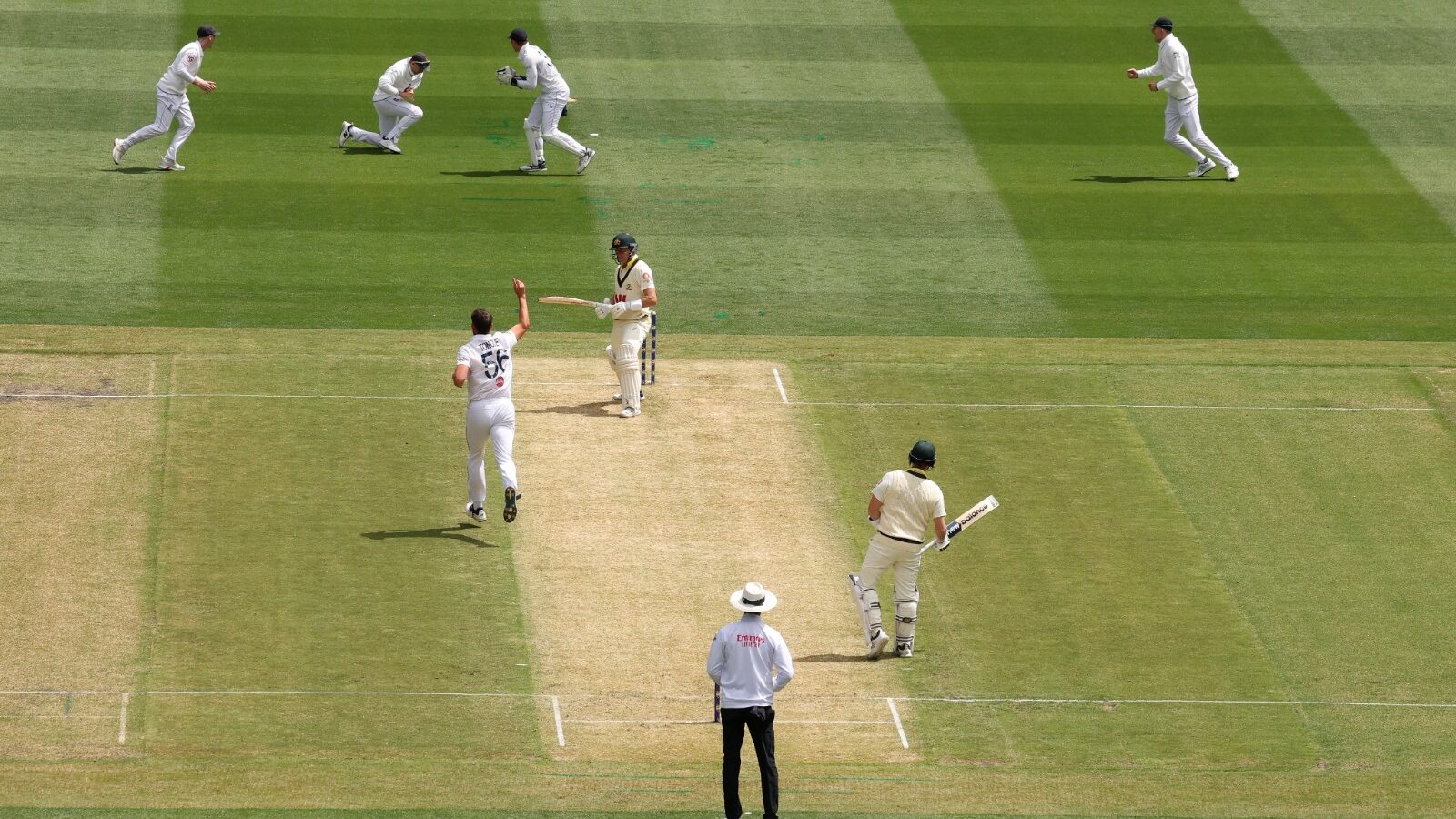
Meanwhile, Glenn McGrath noted, “That pitch has too much life in it for test cricket. It was 10mm of grass when I think 7mm would have been better, but I think he (the groundsman) was more concerned with what was happening on days three, four and five.”
In this backdrop, there is one more key point to be addressed. If a spin-friendly pitch in India or in the subcontinent gets so much scrutiny, then what about green tracks like at the SCG and MCG this year? Granted that the recent Eden Gardens deck for the India-South Africa Test provided more than enough assistance for the spinners and bowlers in general. But the same can be said about the aforesaid MCG track.
If anything, on a spin-friendly deck, the batter wouldn’t likely get hurt by variable bounce extracted from the spinners. More so, when one considers the fact in such conditions a sizeable portion of the deliveries keep on the lower side. Meanwhile, on seaming pitches, with some variable bounce, there is a good chance of enough offerings kicking up from a length at 135-140 kph (imaginary sense – pace bowler’s speed).
This time around, a few former cricketers from Australia and England have been critical about the pitch conditions at the MCG. In the past, though, it felt as if pace-friendly pitches would largely escape from criticism.
What next when it comes to the MCG Test? Already 30 wickets have gone down in the Test. A small caveat is, on occasions, seaming pitches could get better as the match progresses. The verdict, though, is that the MCG track did a little too much on day 1. Ideally, just like a raging turner, penalties should be levied on this one a well.


For More Exciting Articles: Follow RevSportz