





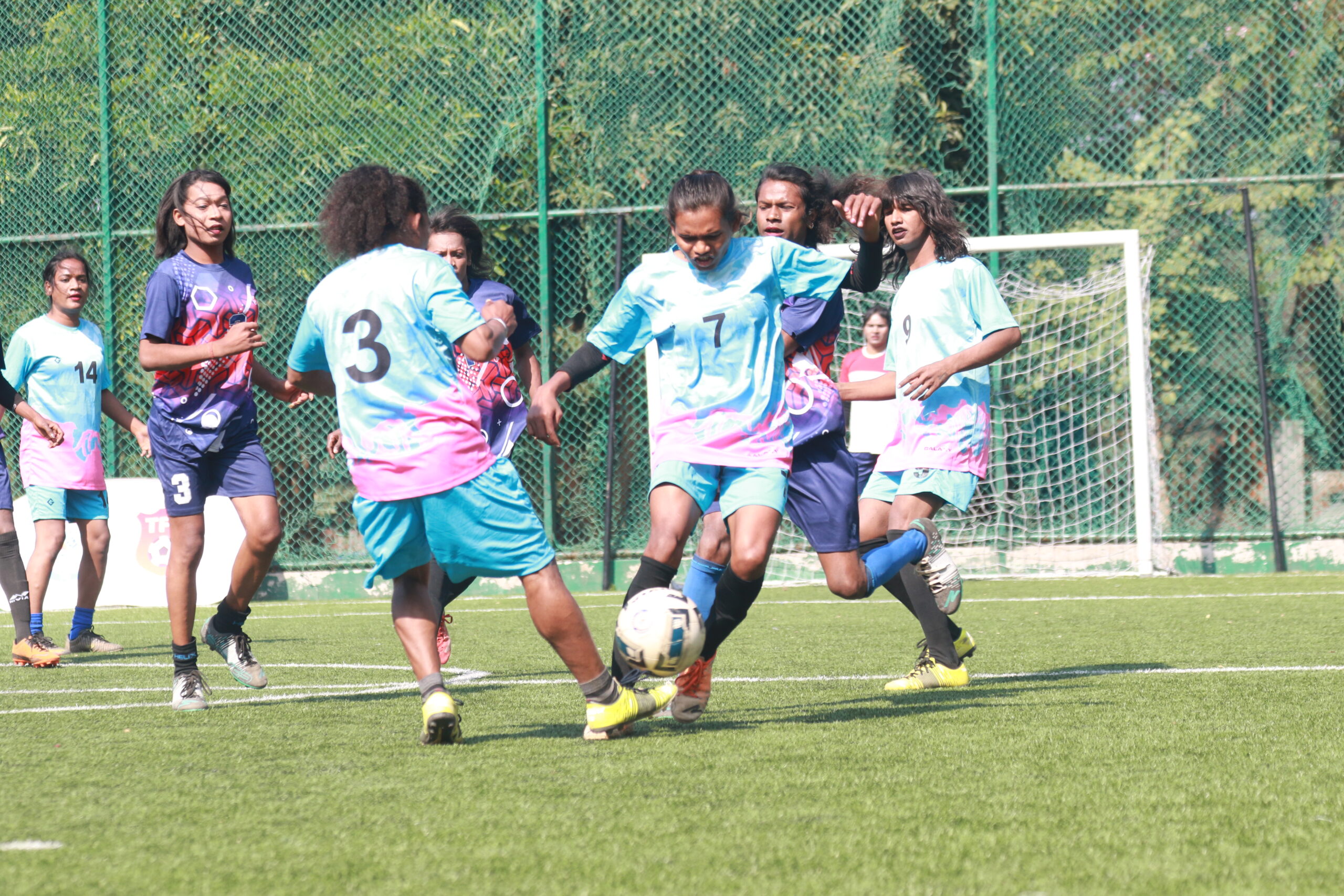
On a Sunday evening at the JRD Tata Sports Complex, the sound of footballs being kicked, teammates calling out names and celebrations after goals feels familiar. What is different, however, is the quiet significance of who is playing. The Transgender League, organised by Jamshedpur FC under the umbrella of the Jamshedpur Super League (JSL), is steadily becoming one of the most meaningful grassroots football initiatives in the country.
The league is no longer just a symbolic gesture. Competitive games, growing confidence among players and consistent participation have underlined that the initiative is firmly taking root. Seven teams—Jamshedpur FT, Chaibasa FC, Chakradharpur FC, Jamshedpur Indranagar FC, Naomundi FC, Saraikela FC and Kolhan Tiger FC—are competing in a five-a-side format, featuring 70 players from diverse backgrounds, including Tata Steel employees, daily-wage labourers and small business workers.
For many participants, the league represents far more than football. “JFC has given us a platform and a chance to play,” said Sainath Biruli, one of the players. “I feel very good that I am able to play as a trans person.” Encouraging others from the community to step forward, Sainath added, “We have passion, energy and strength. Being trans, we can also do something.”
That sense of dignity and visibility has been a recurring theme since the league’s launch in December, when transgender teams made their first-ever appearance in the Jamshedpur Super League—India’s largest grassroots football movement. The debut marked a historic moment, placing transgender footballers within a structured, competitive environment for the first time.
The opening week set the tone. Jamshedpur FT’s Puja Soy announced herself with four goals in a 7–0 win over Chaibasa FC. “For the first time, I felt like I wasn’t being seen for my gender, but for my game,” she said. Other fixtures, including Kolhan Tiger FC’s 3–0 win over Chakradharpur FC and a hard-fought goalless draw between Jamshedpur Indranagar FC and Naomundi FC, showed that the competition would not be short of intensity.
Behind the results, the emotional impact has been just as striking. “This is the first time we are playing in a proper professional environment,” said Aliya, another participant. “The support from the club and the fans makes us feel like we truly belong.”
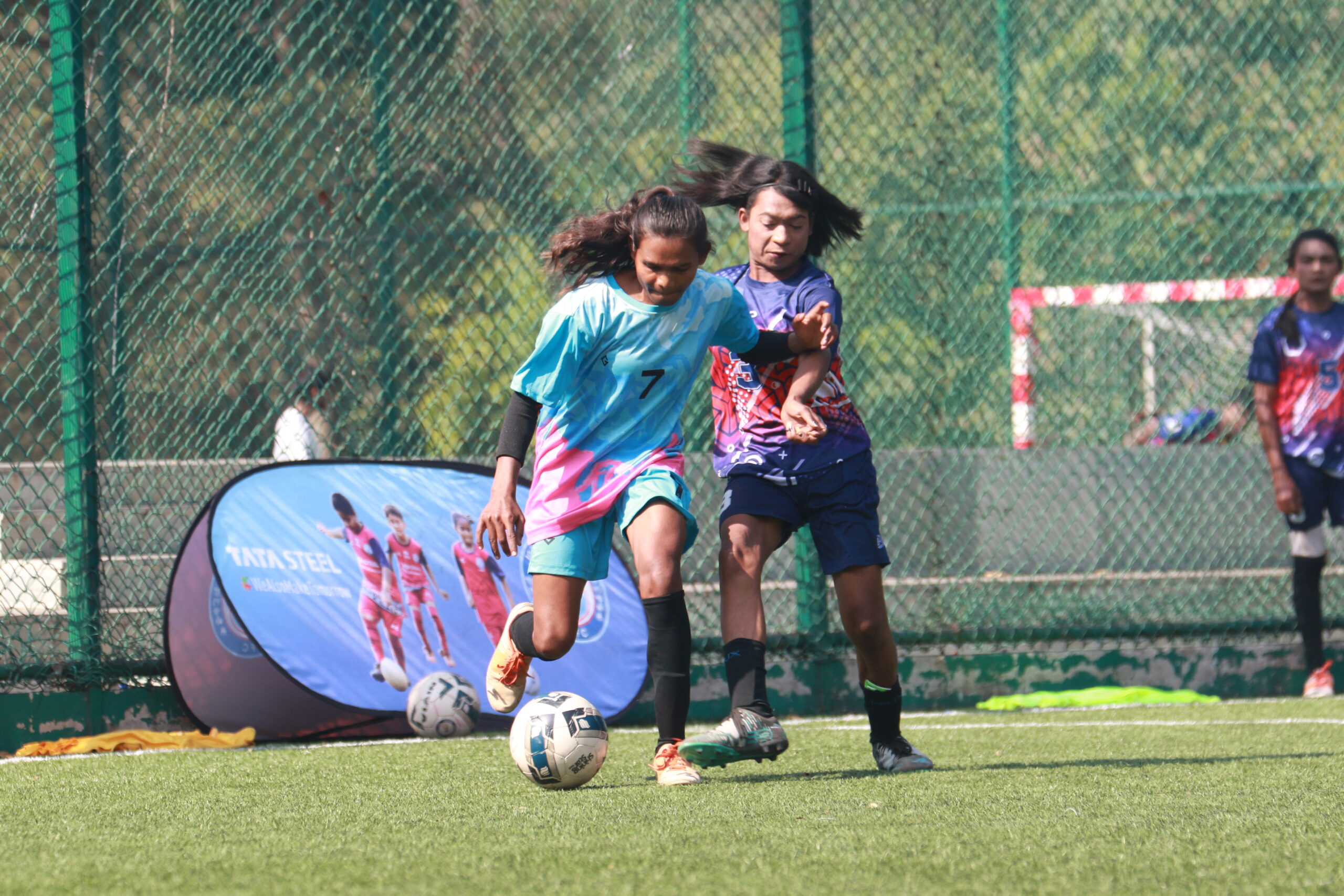
Each team will play 12 matches, with the league comprising 42 fixtures in total. But beyond numbers, the league has emerged as a safe and respectful space—something many of the players had never experienced in sport before.
According to Kundan Chandra, Head of Grassroots and Youth Football at Jamshedpur FC, the initiative reflects the club’s broader philosophy. “The introduction of the Transgender League marks a progressive step in our commitment to making football inclusive and accessible. Football must be a platform where talent is nurtured without discrimination, and this league reinforces our belief that sport can lead to societal change,” he said.
The Transgender League is part of the expanded Jamshedpur Super League, which has evolved from the AIFF’s Blue Cubs framework into a six-month community football festival. This year’s edition has grown from 70 to 190 teams, involving over 1,100 grassroots players and nearly 900 community participants across age-groups and categories.
In that wider ecosystem, the Transgender League stands out not as an add-on, but as a statement. As Pyari Hessa, captain of Jamshedpur FT, put it, “This is India’s first Transgender League. It gives us a platform we never had before, and we hope it inspires other states to create similar spaces.”
As the matches continue week after week, the players walk onto the pitch not just to compete, but to claim visibility and belonging.
Also Read: Owen Coyle set to return as Jamshedpur FC head coach ahead of new ISL season