


Modern day T20 cricket thrives on entertainment. Big aerial shots, soaring strike rates and relentless aggression are the benchmark of being called a complete T20 batter. However, as teams increasingly prioritise instant impact, the quiet extinction of the anchor role threatens to destabilise innings instead of strengthening them. While power wins applause and catches eyeballs, stability wins matches — a lesson repeatedly reinforced by some recent games.
Virat Kohli’s monumental 82 not out in the 2022 T20 World Cup against Pakistan remains one of the most striking counterarguments to strike-rate absolutism. Despite making a slow and cautious start, Kohli paced the chase to perfection and till date, it is mentioned everywhere as one of the most iconic match-winning knocks.
The 2025 IPL final between Royal Challengers Bengaluru and Punjab Kings further highlighted the value of the role of the anchor. Kohli’s 43 of 35 balls, criticised for its tempo, came at a time when wickets were falling around him. The innings put RCB in a steady position, allowing others down the order to attack freely. Punjab Kings, on the other hand, chose an all-out aggressive route. Early wickets, pure aggression, and unchecked intent led to a collapse which ultimately cost them the title.
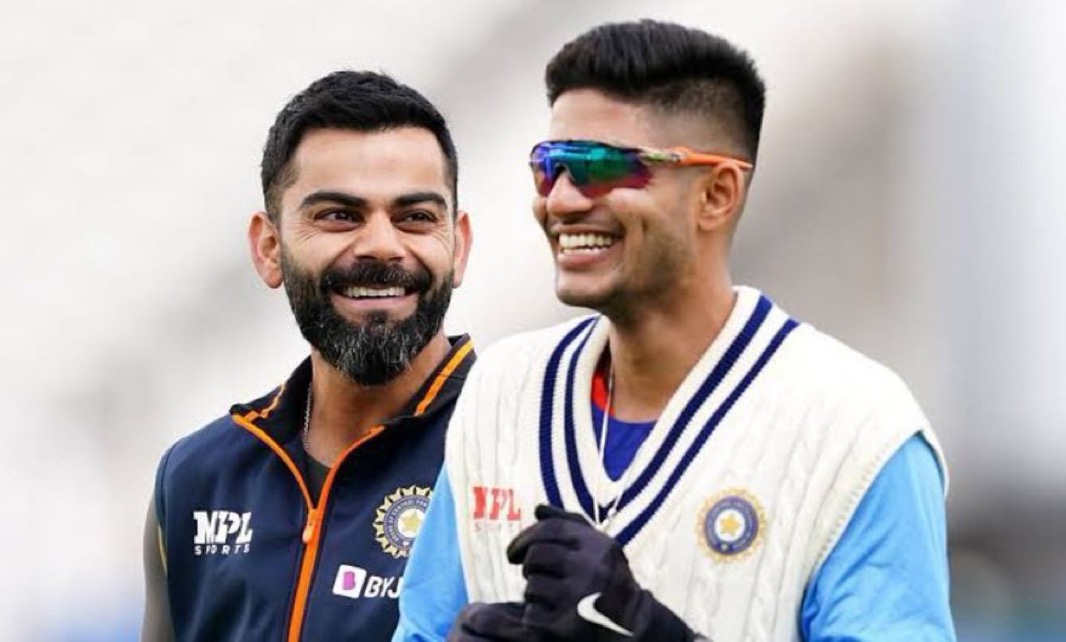
A similar debate now surrounds Shubman Gill. Known for his composure and technically sound batting skills, Gill has often played the anchor for Gujarat Titans in the IPL, providing stability and structure to their batting order. His approach in IPL has traditionally embodied the classical anchoring template — measured at the start and authoritative once set. Rather than going for the big shots right from ball one, Gill is known to have paced his innings by assessing conditions, rotating strike and letting the Power Play settle before unlocking his attacking options.
Once through that phase, he has shown a decent ability to accelerate, particularly against spin in the middle overs and pace at the death. His 2023 season stands as an exceptional individual campaign, one of the finest in IPL history, with 890 runs, including three centuries, achieved through controlled aggression rather than reckless hitting. Even this season, despite massive criticism regarding strike rate, Gill crossed 650 runs, showcasing his consistency and value at the top.
However, recent struggles have coincided with visible attempts to manufacture aggression right from the first ball. With strike rate scrutiny all over social media and elsewhere, Gill’s natural game has appeared compromised. After Kohli stepped down from the shortest format of the game, the team definitely needed someone to step into the anchoring shoes. Gill’s selection, especially alongside an opening partner like Abhishek Sharma, who is an out and out aggressive batter, aligned with the team’s broader balance strategy. Former cricketers Deep Dasgupta and Aakash Chopra have pointed out that Gill’s strength lies in timing and not forced hitting and that abandoning his anchoring instincts may be hurting both the player and the team.
The work of an anchor has never been about slow scoring. It is about absorbing pressure, holding one end, playing according to the conditions, giving stroke-makers the full freedom to attack, but eventually, accelerating in the death overs. T20 cricket has evolved and we see a new template today where strike rate is of paramount importance. Yet, in the race to entertain, teams risk forgetting a basic truth — without someone holding one end, even the most explosive batting line-ups can unravel.


Follow Revsportz for latest sports news